








Why Mumbai is at Risk
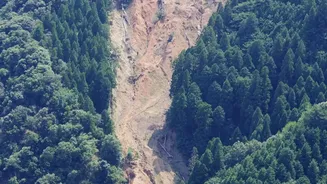
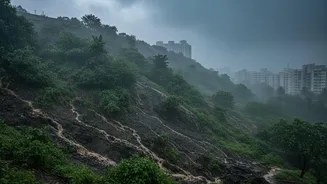
Mumbai's unique geography, a mix of coastal plains and hilly terrain, makes it inherently susceptible to landslides, especially during the monsoon. The combination of steep slopes, often composed of loose soil and rock, and intense rainfall creates a dangerous
recipe. When heavy rains saturate the ground, the soil loses its stability, leading to sudden and often devastating collapses. This natural vulnerability is compounded by rapid urbanization. Unplanned construction on and at the base of hillsides, blocked drainage systems, and the removal of vegetation weaken the slopes further, increasing the likelihood of disaster. Recent incidents, such as the fatal landslide in Ghatkopar in August 2026, serve as a grim reminder of these risks.
Identifying High-Risk Zones
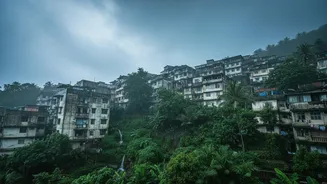
The Brihanmumbai Municipal Corporation (BMC) and the Geological Survey of India (GSI) have identified hundreds of landslide-prone locations across the city. According to recent reports, there are approximately 249 such zones. While the risk is widespread, certain areas are particularly vulnerable due to their topography and dense, informal settlements. The eastern suburbs, including the Vikhroli-Bhandup belt, Ghatkopar, and Kurla, have the highest concentration of these hazardous spots. Areas like Suryanagar in Vikhroli, Chirag Nagar in Ghatkopar, and various hilly pockets in Powai and Malad are frequently flagged. Every year, the BMC issues notices urging residents in these areas to relocate to safer, temporary shelters during the monsoon, but many are unable or unwilling to move, citing proximity to jobs and schools.
Warning Signs to Watch For
Landslides can occur suddenly, but there are often subtle warning signs that the ground is becoming unstable. Being vigilant can provide precious time to evacuate. Look for changes in and around your home and neighborhood. New cracks appearing in plaster, tile, brick, or foundations can be a critical indicator. Doors and windows that suddenly stick or jam for the first time suggest the ground underneath may be shifting. Outside, watch for tilting trees, fences, or utility poles. Bulging ground at the bottom of a slope or the appearance of new springs or saturated ground in normally dry areas are also red flags. An important auditory clue is a faint rumbling sound that increases in volume, or unusual noises like trees cracking or boulders knocking together, which can signal moving debris.
How to Prepare and Stay Safe
Preparedness is the most effective defense against landslide hazards. Residents in at-risk zones should have a clear evacuation plan and an emergency kit ready. This kit should contain essentials like water, non-perishable food, a flashlight, a first-aid kit, and important documents. Stay informed by monitoring weather forecasts and heeding advisories from the BMC and the National Disaster Response Force (NDRF). The authorities often establish temporary shelters and deploy rescue teams in the most vulnerable areas. If you live on or near a slope, consider planting ground cover to help prevent soil erosion and avoid directing drainage water towards the hillside. If you notice any warning signs, evacuate immediately if it is safe to do so and alert your neighbors and local authorities.
What to Do During and After a Landslide
If a landslide is imminent, moving away from its path is the only way to guarantee safety. Move to higher ground as quickly as possible. Avoid river valleys and low-lying areas, as they can quickly fill with debris. If you are indoors and escape is not possible, take cover under a sturdy piece of furniture like a strong table and curl into a tight ball to protect your head. After a landslide, stay away from the slide area, as there is a danger of secondary slides. Check for injured and trapped persons nearby without entering the direct slide zone and wait for rescue personnel to arrive. Be aware of the potential for subsequent flooding, which can be triggered by blocked drainage paths. Listen to local radio or authorities for the latest emergency information and instructions.