







Why Monsoon Nutrition is Different
As the rain cools the earth, our bodies also undergo a shift. According to both traditional wisdom like Ayurveda and modern nutrition science, our digestive fire, or 'agni', tends to be weaker during the monsoon. The increased humidity can slow down metabolism,
making us feel sluggish. Furthermore, this season sees a higher risk of water-borne diseases and infections. This makes it crucial to choose foods that are not just nutritious but also light, easy to digest, and hygienically prepared. Heavy, oily, and raw foods can put a strain on your system, leading to bloating, indigestion, and other health issues. The focus should be on warm, cooked meals that nourish the body without overwhelming it.
The Powerhouse of Sprouted Lentils
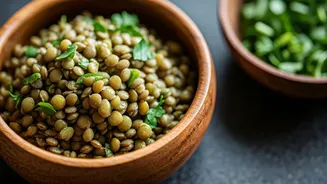
This is where sprouted lentils, particularly moong, come into play. Lentils are already a fantastic source of protein, fibre, and essential minerals. However, the process of sprouting unlocks their full nutritional potential, turning them into a superfood. Sprouting breaks down complex starches into simpler sugars, making them incredibly easy to digest. It also neutralises phytic acid, an anti-nutrient that binds to minerals and prevents their absorption. As a result, your body can better access the iron, magnesium, and zinc in the lentils. The process dramatically increases the content of Vitamin C and B-complex vitamins. They are low in calories but high in protein and fibre, which helps in keeping you full and managing weight, making them a perfect, clean nutritional choice for the season.
Sprouting at Home: A Safe and Simple Guide
Making your own sprouts is easy and ensures they are fresh and hygienic. Here’s how: 1. **Rinse and Soak:** Take about half a cup of whole green moong dal. Rinse it thoroughly under running water 3-4 times. Then, soak the lentils in double the amount of clean, filtered water for at least 6-8 hours, or overnight. 2. **Drain and Rest:** After soaking, drain all the water completely. Rinse the lentils one more time. Place them in a muslin cloth, a sprout-maker, or a colander covered with a plate. The key is to allow for air circulation while keeping them moist. 3. **Wait for the Magic:** Keep the container in a warm, dark spot in your kitchen. Rinse the lentils gently every 12 hours to prevent them from drying out or spoiling. Within 24-36 hours, you will see small, white tails emerging from the lentils. These are your fresh, homemade sprouts.
To Cook or Not to Cook?
While raw sprouts are popular in salads, the monsoon is not the time for them. The warm, humid conditions are ideal for bacterial growth, and raw sprouts can carry contaminants that may lead to food poisoning. To enjoy their benefits safely, it is highly recommended to cook them. You don't need to cook them for long; a light steam for 5-7 minutes or a quick sauté in a pan for a few minutes is enough to kill any harmful bacteria while preserving most of the nutrients. This simple step makes them perfectly safe and even more digestible, aligning with the monsoon diet principle of avoiding raw foods.
A Quick and Healthy Tossed Sprouts Recipe
Here’s how to toss them well for a delicious, warm dish. This recipe serves two. **Ingredients:** - 2 cups of steamed moong sprouts - 1 teaspoon oil (coconut or groundnut) - ½ teaspoon mustard seeds - A pinch of asafoetida (hing) - 1 small onion, finely chopped - 1 small tomato, finely chopped - ½ inch ginger, grated - 1 green chilli, slit (optional) - ¼ teaspoon turmeric powder - Salt to taste - Juice of half a lemon - Fresh coriander, chopped for garnish **Method:** Heat the oil in a pan. Add the mustard seeds and let them splutter. Add the asafoetida, followed by the grated ginger and green chilli. Sauté for a minute before adding the chopped onion. Cook until the onion turns translucent. Add the chopped tomato and turmeric powder and cook until the tomatoes soften. Now, add the steamed sprouts and salt. Mix everything well and cook for just 2-3 minutes. Turn off the heat, squeeze the lemon juice, and garnish with fresh coriander. Serve warm.