


The Rise of 'Quiet Luxury'
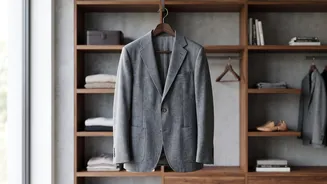
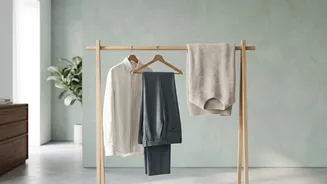
One of the biggest drivers of this change is the concept of "quiet luxury." This trend moves away from flashy logos and overt branding, instead focusing on high-quality materials, impeccable tailoring, and timeless design. Think less about statement pieces
that shout for attention and more about understated elegance that whispers sophistication through craftsmanship. This isn't just a fleeting aesthetic; it represents a broader cultural desire for longevity and simplicity in a world saturated with noise and fast-paced consumption. Consumers are increasingly investing in items like a perfectly cut blazer or a cashmere sweater that will remain stylish and relevant for years, rather than succumbing to disposable, trend-driven purchases.
Economic Pressures and Smarter Shopping
Economic uncertainty is also playing a significant role in reshaping consumer habits. With inflation and a volatile global economy, shoppers are becoming more cautious with their discretionary spending. This has led to a focus on value, durability, and functionality. People are thinking of their purchases as long-term investments rather than impulsive buys. The mindset is shifting: a well-made coat that lasts for a decade is seen as a rational purchase, while a cheaper one that needs replacing every two years is viewed as wasteful. This value-conscious behaviour favours clothing that is versatile and built to last, making wearability a key consideration.
Post-Pandemic Comfort is Non-Negotiable
The pandemic fundamentally changed our relationship with clothing. As lockdowns and remote work became the norm, comfort shifted from a preference to a priority. Loungewear and athleisure sales surged as people adapted to lives spent mostly at home. Even as life has returned to a new normal, that expectation of comfort has stuck. Consumers are no longer willing to sacrifice comfort for style, especially when balancing hybrid work schedules and busy personal lives. This has pushed brands to innovate with flexible, comfortable fabrics and silhouettes that transition seamlessly from a home office to a dinner out.
Fatigue from Fast Fashion and Micro-Trends
The relentless speed of social media has created an environment of "aesthetic overload," where micro-trends emerge and vanish in a matter of weeks. For many, especially younger generations like Gen Z, this constant cycle has led to trend fatigue. The pressure to perform online and constantly update one's wardrobe has become exhausting. As a result, many are choosing to opt out, finding stability in familiar, comfortable clothing that doesn't need to be justified or documented. This rebellion against the hype cycle is a move towards more authentic, personal style that values how clothes feel over how they trend.
A Growing Demand for Sustainability
Increased awareness of the fashion industry's environmental impact is another powerful force. Consumers are more educated than ever about issues like water pollution, textile waste, and unethical labour practices. This has fueled a movement toward more conscious consumption. The principles of sustainable fashion—buying less, choosing quality, and extending the life of garments—are inherently linked to wearability. A wearable, timeless piece is by its nature more sustainable because it is kept and worn for years, directly challenging the disposable model of fast fashion.