





Breaking Down the Numbers
For the six months ending September 30, 2026, Air India is estimated to have incurred a loss of between Rs 10,500 and Rs 10,800 crore. This information comes via disclosures from Singapore Airlines (SIA), which holds a 25.1% stake in the Indian carrier
following the Vistara merger. While Air India, being privately held, does not publish quarterly results, SIA's financial reporting provides a window into its performance. Interestingly, this substantial loss is actually an improvement over the same period last year, when losses were estimated to be around Rs 12,500-12,850 crore. This suggests that while the airline is still deep in the red, the financial trajectory is slowly moving in the right direction.
The High Cost of a New Beginning
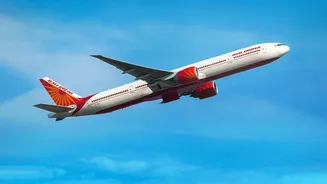
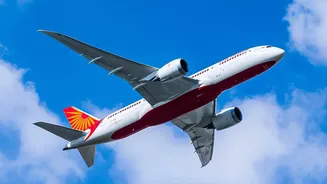
The massive loss is not a sign of failure but a direct consequence of a deliberate, multi-billion-dollar investment strategy under its Vihaan.AI transformation plan. When the Tata Group reacquired the airline in 2022, it inherited a carrier with an aging fleet and outdated systems. The turnaround involves a complete overhaul. A cornerstone of this is a historic order for 600 new aircraft from Airbus and Boeing to modernise the fleet and expand its network. These investments, along with inducting leased aircraft, are capital-intensive and a primary driver of current expenditures. Rebuilding an airline from the ground up is an expensive undertaking, and these losses reflect the sheer scale of that investment.
Merger Complexities and Integration Costs
The Tata Group has been streamlining its aviation business, merging AirAsia India with Air India Express and, more significantly, integrating the full-service carrier Vistara with Air India. The legal merger with Vistara was completed in November 2024. Such large-scale mergers are notoriously complex and expensive. They involve significant one-time costs related to integrating technology platforms, aligning employee structures, standardising operational procedures, and rebranding fleets. While the long-term goal is to create a more efficient and dominant full-service carrier, the short-term financial impact includes substantial integration-related expenses that contribute to the bottom-line loss.
Upgrading the Passenger Experience
A significant portion of the expenditure is aimed at tangible improvements for passengers. For years, Air India's product was criticised for being inconsistent. The transformation plan involves retrofitting existing aircraft with new cabins, seats, and in-flight entertainment systems. By the end of 2026, the airline aims to have its new, upgraded product available on 81% of its international flights. This extensive refurbishment program, though delayed by supply chain issues, is crucial for competing with global rivals. Furthermore, the airline is investing in technology overhauls, training, and service enhancements to improve customer satisfaction and on-time performance, all of which require heavy upfront spending.
A Long-Term Flight Path to Profitability
Tata Sons Chairman N. Chandrasekaran has publicly stated that the turnaround is not a short-term project, reframing the original five-year plan to a more realistic five-to-ten-year journey. The path to profitability is being hampered by external factors like high jet fuel prices and geopolitical issues that disrupt flight paths. The focus is on building a sustainable, world-class airline for the long haul. While new leadership has sharpened the focus on cost-cutting measures to improve efficiency, the core strategy remains centred on investment in growth and quality. Stakeholders like Singapore Airlines have reaffirmed their confidence, stating that Air India is making tangible progress, even if it takes time.