



The Invisible Enemy: How Humidity Harms Your Gadgets
It’s not just about getting caught in a downpour. High humidity, often exceeding 70-80% during the Indian monsoon, means the air itself is saturated with water vapor. This moisture can be a death sentence for personal tech. It seeps into the smallest
crevices of your smartphones, laptops, cameras, and headphones. Inside, this moisture can condense on cool circuit boards and internal components. This leads to two primary dangers: corrosion and short circuits. Metal contacts begin to rust and degrade, causing poor performance and eventual failure. If a device is powered on while condensation is present internally, it can create unintended electrical paths, causing a short circuit that can permanently fry the device. Over time, this damp environment can also encourage mould growth on camera lenses and inside speaker enclosures.
Your First Line of Defence: Waterproof Bags and Cases
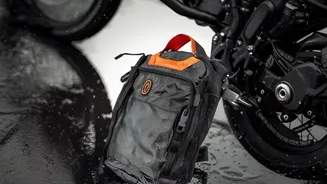
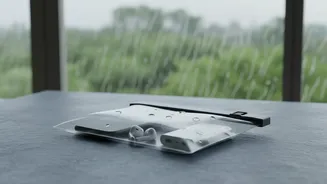
The most straightforward way to protect your gear while on the move is to create a physical barrier against moisture. Investing in high-quality waterproof or water-resistant bags is essential. For daily commutes, a water-resistant backpack can repel light rain and splashes, protecting a laptop and other items inside. For more direct exposure, such as walking in the rain or travelling on a two-wheeler, a dedicated dry bag is a better option. These bags use a roll-top closure to create a watertight seal. For smaller gadgets like your smartphone, a simple waterproof pouch allows you to use the device while keeping it completely protected. When choosing a case, ensure it provides a snug fit and that all seals are securely fastened before you head out. This simple layer of protection is often the difference between a close call and a costly replacement.
The Power of Desiccants: Your Secret Weapon
One of the most effective and affordable tools in the fight against humidity is silica gel. Those small packets you find in new shoe boxes and electronics packaging are powerful desiccants, meaning they absorb moisture from the air. Silica gel can absorb up to 40% of its own weight in water, creating a dry micro-environment around your devices. It is incredibly effective for protecting gadgets during storage. When you're not using your camera, tablet, or external hard drives, store them in a sealed bag or box with a few silica gel packets. This will actively pull moisture from the enclosed air, preventing condensation and corrosion. You can buy these packets online in bulk for a minimal cost and reuse them by gently heating them in an oven to dry them out once they become saturated.
Smart Storage and Usage Habits at Home
Your home is not a guaranteed safe zone. During the monsoon, indoor humidity levels can be dangerously high for electronics. Avoid storing your gadgets near windows or against walls that are exposed to heavy rain, as these surfaces can be damp and cool. It’s also wise to ensure good air circulation around devices like Wi-Fi routers and televisions; keeping them in enclosed cabinets can trap warm, humid air, increasing the risk of damage. If you have a particularly sensitive or expensive piece of equipment, consider placing it in a closet with a moisture-absorbing dehumidifier. A critical habit to adopt is to allow your devices to acclimatise. If you bring a cool laptop in from an air-conditioned car into a warm, humid room, wait 15-20 minutes before powering it on. This gives any condensation that may have formed a chance to evaporate.
Immediate Action for Wet Devices
Even with the best precautions, accidents can happen. If your phone or another gadget gets wet, the first and most crucial step is to turn it off immediately and do not attempt to charge it. Charging a wet device is a near-certain way to cause a fatal short circuit. Disconnect any peripherals and remove the battery if possible. Gently wipe down the exterior with a dry cloth. Contrary to popular belief, raw rice is not the most effective solution for drawing out internal moisture. A much better option is to place the device in a sealed container filled with silica gel packets for 24 to 48 hours. The desiccant is far more efficient at absorbing the trapped water. The key is patience; attempting to turn the device on too soon can undo all your efforts.