






Beyond the Marketing Buzzword
Let's be clear: the word “seasonal” is one of the most overused terms in the food industry. It’s slapped onto menus as a vague promise of freshness, often without much substance. But a truly seasonal menu is a different beast altogether. It’s not about
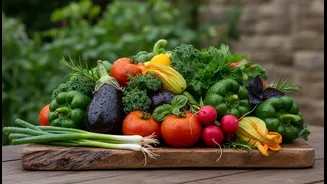
adding asparagus in spring or pumpkin spice in autumn. It's a philosophy. It’s about a chef who builds their entire creative process around ingredients at their absolute peak, often for just a few weeks. This approach swaps the convenience of a year-round supply chain for the challenge of fleeting availability, forcing creativity and adaptability. A genuinely seasonal dish can’t be replicated in a few months, which makes tasting it a unique, time-sensitive experience.
The Chef’s Creative Arena
A static menu can be perfected, but it can also lead to creative stagnation. A seasonal menu, however, turns the kitchen into a dynamic arena. It’s a constant test of a chef’s skill, their relationship with local suppliers, and their ability to improvise. When a chef commits to this model, they are essentially promising to be inspired by the harvest. They are tasked with telling a new story every few months. This constraint is what breeds innovation—transforming a familiar ingredient in a new way or celebrating a lesser-known local product. Tracking a restaurant's menus through the year becomes a way to follow a chef's creative journey, appreciating their response to the earth's natural rhythm.
A Taste of the Monsoon
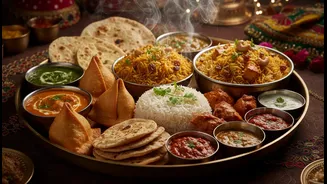
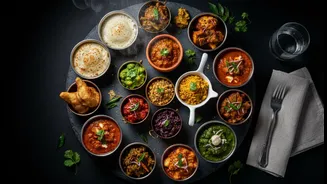
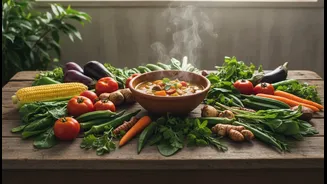
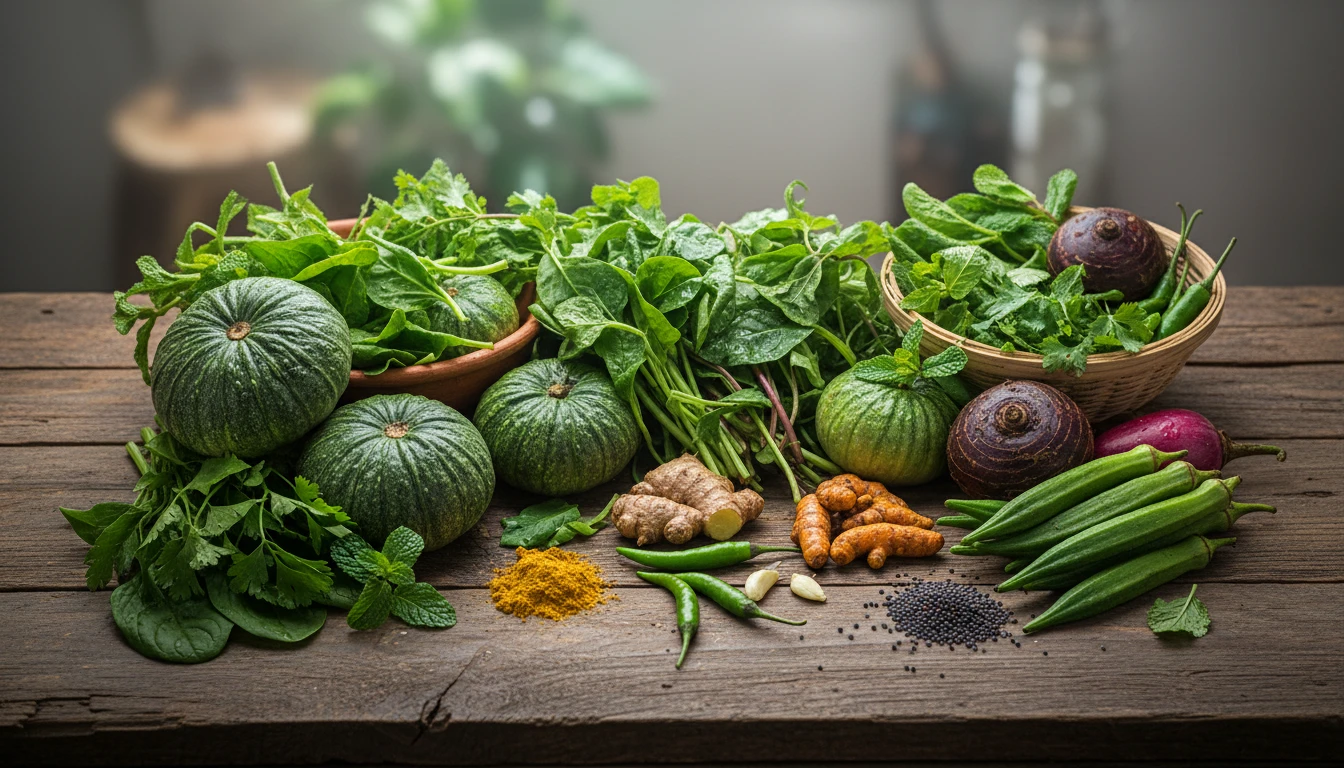
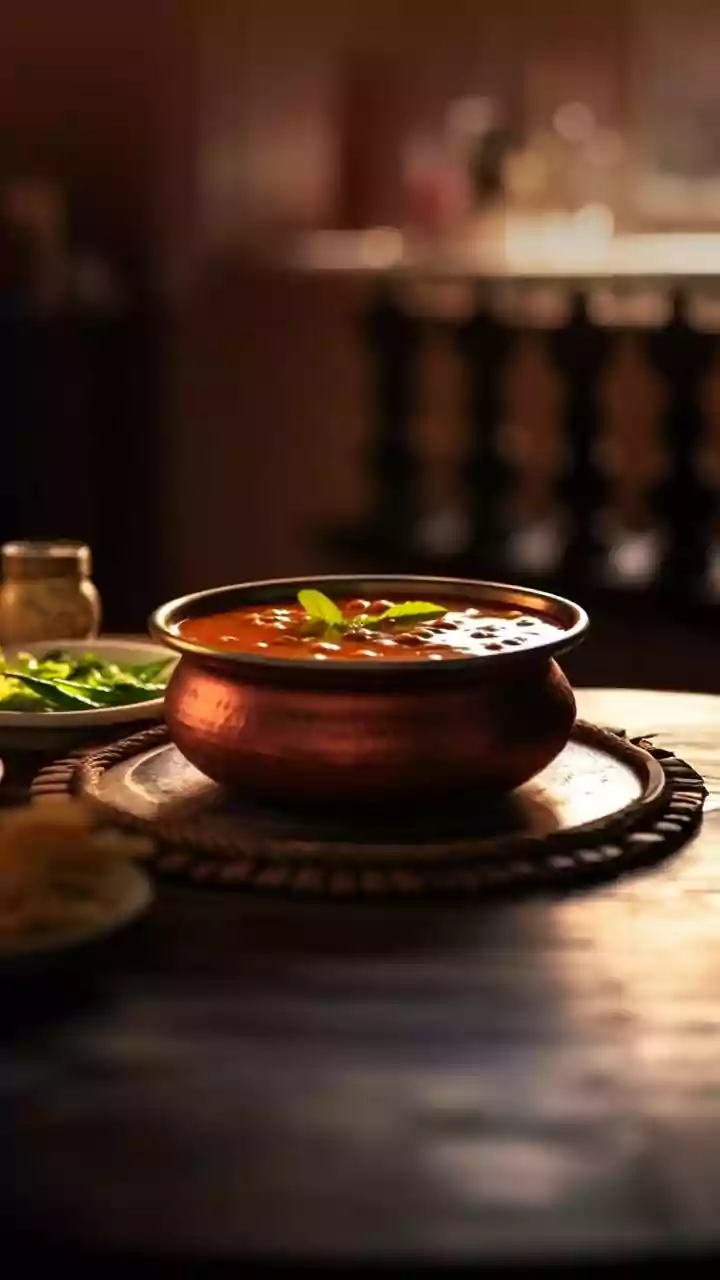
In India, no season transforms the landscape and our cravings quite like the monsoon. The petrichor, the cool breeze, and the rhythmic downpour trigger a deep-seated desire for specific comforts. We instinctively crave the warmth of chai, the crunch of a pakora, and the smoky char of a roasted bhutta. This is India's most evocative and unofficial culinary season. Smart restaurateurs and chefs are tapping into this cultural moment. Beyond the street-side vendors, modern Indian kitchens are creating refined monsoon menus. These might feature elevated versions of traditional snacks like bhajiya or vada pav, hearty coastal curries, or innovative dishes built around seasonal vegetables. These menus aren’t just about food; they are about capturing a collective mood and a shared nostalgia, offering a taste of comfort and home during the greyest days.
How to Become a Menu Tracker
So, how do you become a seasonal menu tracker? It starts with a shift in mindset. Instead of seeking out the new, hot restaurant every time, choose a few interesting, chef-driven places and follow their journey. Pay attention to their social media and newsletters for announcements about new menus. When you dine, ask questions. Ask what’s new, what’s local, and what the chef is excited about right now. This transforms you from a passive consumer into an active participant in the local food story. You begin to understand the micro-seasons of your region—when the best local mangoes arrive, the short window for specific greens, or the arrival of fresh catch from the coast. It’s a way of engaging with food that goes beyond just taste and enters the realm of cultural appreciation and local connection.