




The Spirit of Shravan Eating
The dietary practices during Shravan, which in 2026 begins around July 30 for North India, are deeply rooted in Ayurvedic principles. The goal is to consume 'sattvic' foods—those that are pure, light, and calming to the mind and body. This approach is not
just about religious observance; it aligns with the season. During the monsoon, Ayurveda suggests that our digestive fire, or 'agni', is weaker. A lighter diet aids digestion, prevents sluggishness, and helps the body detoxify. The emphasis is on fresh, seasonal ingredients prepared simply, creating a diet that supports both spiritual focus and physical well-being.
What to Avoid on Your Plate
The rules of Shravan fasting involve eliminating foods considered 'tamasic' or 'rajasic', which are believed to cause dullness or restlessness. The most common items to be avoided are onions and garlic. Non-vegetarian food, including meat, fish, and eggs, is strictly prohibited. Regular table salt is swapped for 'sendha namak' or rock salt, which is considered a purer alternative. Grains like wheat and rice, along with lentils and certain flours like besan, are also set aside. Additionally, strong spices such as turmeric, mustard, and garam masala are generally avoided in favour of milder flavourings. Some also avoid leafy greens and brinjal, due to a higher chance of contamination during the monsoon.
The Bounty of Allowed Foods
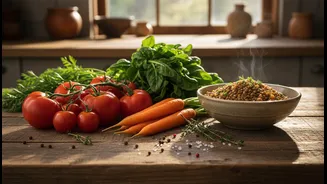
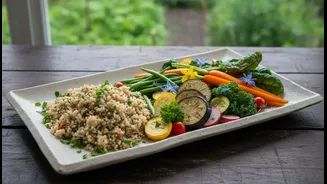
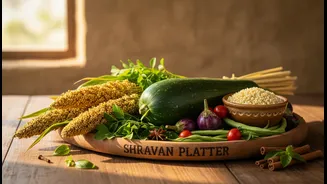
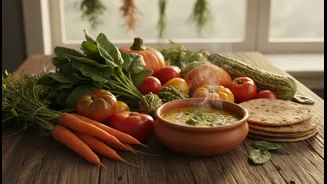
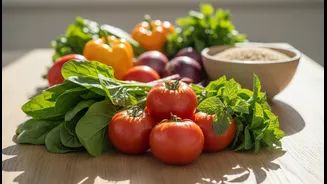
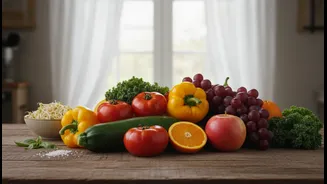
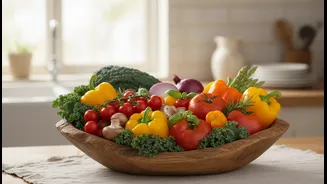
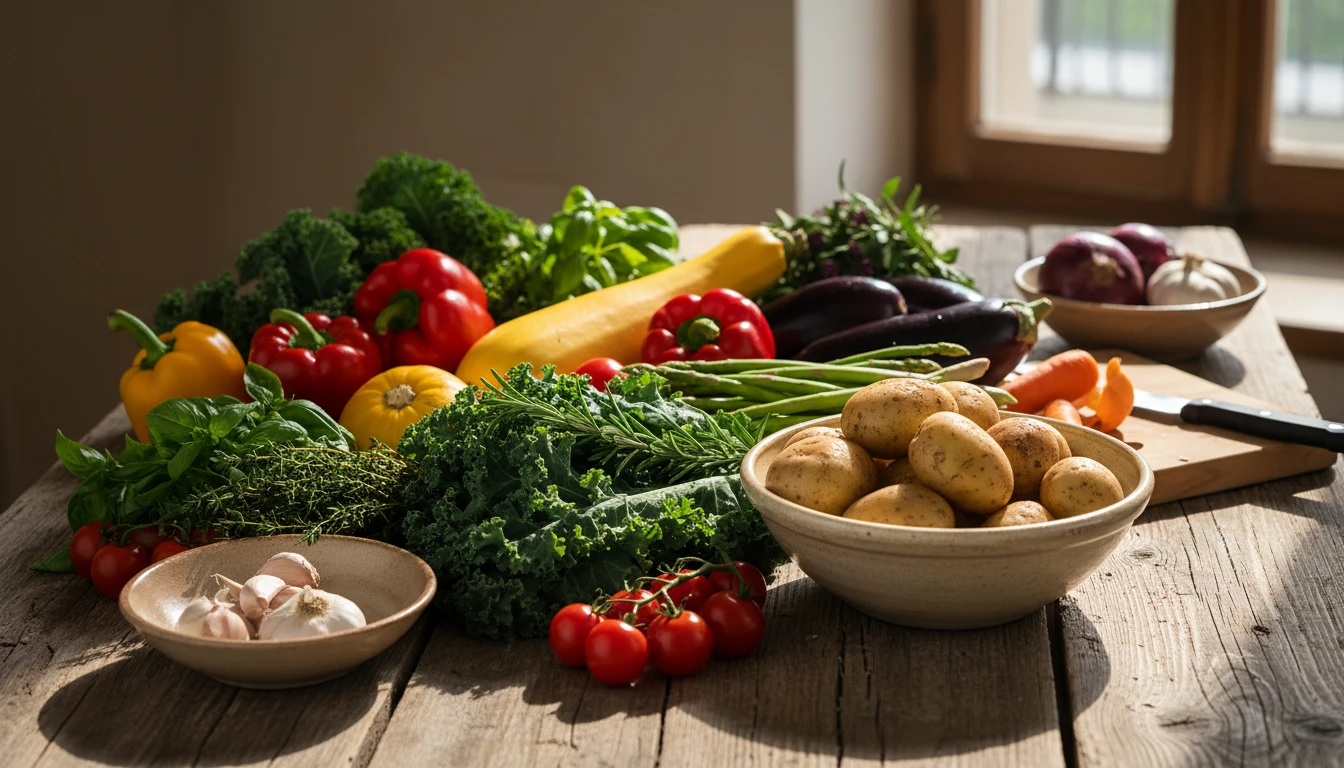
What, then, fills the Shravan plate? The answer lies in a vibrant array of fresh produce and specialised ingredients. Fruits of all kinds are encouraged, providing essential nutrients and hydration. A host of vegetables are permitted, including potatoes, sweet potatoes, bottle gourd (lauki), pumpkin, and raw bananas. Dairy products like milk, curd, paneer, and ghee are welcome additions that provide satiety. For grains, the diet turns to alternatives like kuttu (buckwheat), singhara (water chestnut), and rajgira (amaranth) flours. Samak rice, or barnyard millet, serves as a substitute for regular rice, while sabudana (tapioca pearls) becomes a versatile star ingredient.
Crafting a Classic Shravan Thali
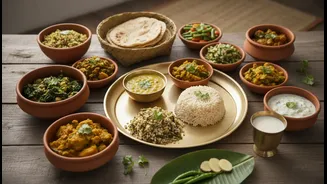
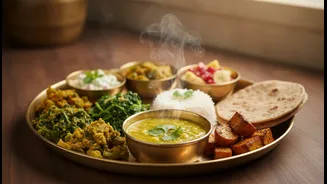
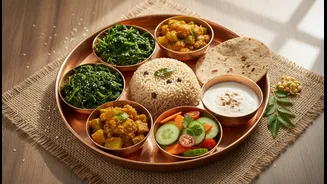
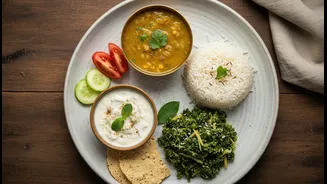
A typical Shravan thali is a beautiful, balanced meal that showcases the creativity of simple cooking. A classic plate might feature Kuttu ki Puri (buckwheat flatbread) served with a simple, cumin-spiced potato curry. Another staple is Sabudana Khichdi, a comforting dish made with soaked tapioca pearls, peanuts, and potatoes. For a rice-like component, Samak Rice Pulao, cooked with mild spices and vegetables, is a popular choice. Side dishes often include a cooling cucumber raita and a simple salad. For a sweet finish, Makhana Kheer (fox nuts simmered in milk) or a fruit-based dessert completes the wholesome experience.
More Than Just a Diet
Observing the Shravan diet is much more than a set of restrictions; it’s a mindful practice. It encourages a deeper connection with the food we eat and the seasons that produce it. The emphasis on simple cooking techniques—like boiling, steaming, and light sautéing in ghee—ensures that the nutritional value of the fresh produce is retained. This culinary tradition serves as an annual reset for the body, offering a break from heavy, processed foods and promoting a feeling of lightness and energy. It is a celebration of purity that nourishes the soul as much as it does the body.