







The Old Guard: 'If It Fits Your Macros'
For years, the gold standard for anyone serious about fitness or body composition was macro tracking. Short for macronutrients, this method involves calculating and logging your daily intake of protein, carbohydrates, and fats to meet specific targets.
The popular mantra was “If It Fits Your Macros” (IIFYM), which allowed for flexibility—you could theoretically eat ice cream, as long as it fit your numbers. This approach was born from bodybuilding culture and became mainstream through fitness influencers. Its appeal was its scientific-seeming precision. It promised control and predictable results, whether your goal was to build muscle, lose fat, or improve athletic performance. However, for many, this rigid, number-crunching approach eventually led to food-related stress and a disconnect from intuitive eating cues.
The New Focus: Nurturing Your 'Second Brain'
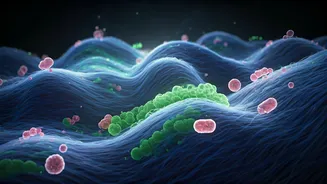
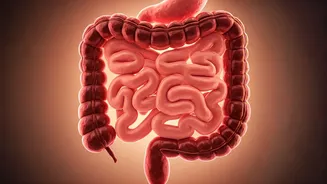
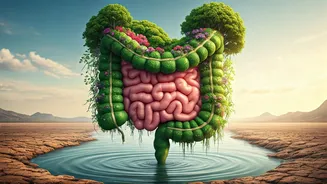
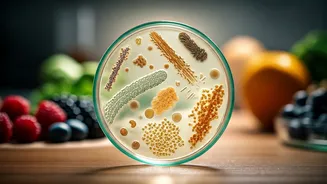
Enter the gut health revolution. Instead of focusing on the big three macros, young adults are increasingly turning their attention inward to the gut microbiome—the trillions of bacteria and other microbes living in our digestive tract. This complex ecosystem is now often called our 'second brain' due to its profound influence on everything from our immune system and digestion to our mood and mental clarity. The new goal isn't just about looking good; it's about feeling good. The conversation has shifted from 'How many grams of protein did you eat?' to 'Are you getting enough fiber to feed your good gut bacteria?' This represents a significant pivot from an aesthetic-driven goal to a holistic wellness one.
Why the Shift from Numbers to Nurturing?
Several factors are driving this change. Firstly, there's a growing fatigue with restrictive diet culture. Young people are pushing back against the idea that health is solely about weight or body fat percentage. They are embracing a more intuitive and gentle approach to nutrition. Secondly, social media has played a huge role. While it once popularised macro-counting, it's now flooded with wellness influencers and even doctors discussing the importance of gut health, sharing tips on reducing bloating, improving digestion, and boosting mood through food. Finally, there's a greater awareness of the mind-body connection. The understanding that a healthy gut can contribute to better mental health is a powerful motivator for a generation that openly prioritises mental wellbeing.
What a Gut-Friendly Diet Looks Like
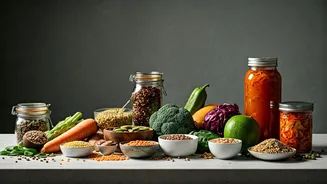
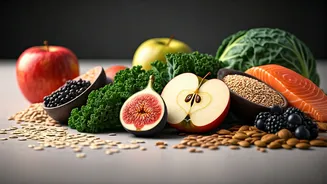
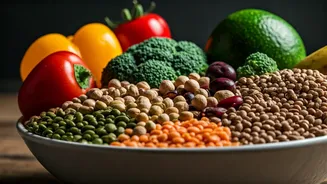
Focusing on gut health doesn't require a complicated app or a kitchen scale. The cornerstone of a gut-friendly diet is fiber. Prebiotic fiber, found in foods like onions, garlic, bananas, and whole grains, acts as food for beneficial gut bacteria. Probiotics, the good bacteria themselves, are found in fermented foods like dahi (yoghurt), kefir, and pickles. The good news for Indian audiences is that a traditional Indian diet is often naturally rich in gut-friendly ingredients. A simple meal of dal, sabzi, and whole-wheat roti is packed with fiber from lentils and vegetables. The focus is on variety and incorporating whole, unprocessed foods. It’s less about restriction and more about addition—adding more colourful plants, more fermented foods, and more diverse sources of fiber to your plate.
Beyond the Scale: A Holistic Approach
Ultimately, the move towards gut nutrition is a move towards a more sustainable and kinder form of self-care. It de-emphasizes the scale as the primary measure of health and instead prioritizes internal cues: Are you energetic? Is your digestion smooth? Is your mind clear? While understanding macros can still be a useful tool for specific athletic goals, the broader trend suggests that for everyday wellness, the focus has shifted. It’s no longer just about fueling a workout or achieving a certain look, but about nourishing the body’s complex internal systems for long-term vitality.