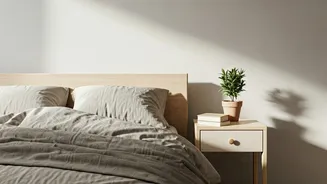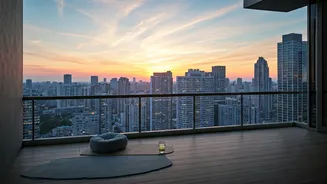










Embracing the ‘Soft Weekend’
The hustle culture that defined previous generations is being actively rejected by Gen Z. Instead of seeing the weekend as two days to cram with high-energy activities, they are embracing the “soft weekend” or “quiet weekend.” This isn't about being lazy;
it's a conscious rebellion against burnout. It means swapping a packed itinerary for a flexible flow, allowing mood and energy levels to dictate activities. A soft weekend might involve sleeping in without an alarm, spending the afternoon reading, or simply doing nothing without guilt. The goal isn't to be productive in the traditional sense, but to create intentional space for the mind and body to genuinely recover from the pressures of the workweek.
Intentional and Cozy Socializing
While stereotypes might paint a picture of a generation glued to their phones, Gen Z craves authentic, in-person connection—just not in the way you might think. Large, loud parties and alcohol-centric outings are often being traded for more intimate and low-pressure gatherings. Think board game nights, which offer face-to-face connection without the need for alcohol or performance. Other popular options include cozy movie nights, cooking a meal together, or participating in parallel activities like crafting or gaming side-by-side. Wellness has become a social activity, with communities forming around run clubs and group fitness. The key is connection that feels earned and authentic, focusing on quality time that recharges social batteries rather than drains them.
The Curated Digital Detox
A weekend reset for Gen Z doesn't necessarily mean abandoning all technology. Instead of a total digital detox, which can feel unrealistic, many are practicing a more mindful approach to screen time. This could look like muting work-related notifications, setting phones to 'Do Not Disturb' for several hours, or unfollowing accounts that create pressure or anxiety. They are swapping endless scrolling on hyper-curated feeds for more intentional digital consumption. This includes re-watching comfort shows, engaging in low-stakes video games that allow for creative expression, or listening to podcasts and vibe-centric playlists that help them unwind. The screen becomes a tool for relaxation, not a source of stress.
Mindful Movement and Creative Hobbies
For Gen Z, wellness is a holistic concept that deeply links physical and mental health. As a result, weekend movement is less about high-intensity, goal-crushing workouts and more about mindful activities that feel good. This could be a gentle yoga session, a long walk in nature, or a 'cozy cardio' session at home. Alongside movement, there's a resurgence of tactile, creative hobbies. Activities that require focus and use of the hands—like baking, painting, doing a puzzle, or decluttering a space—are seen as meditative practices. These hobbies provide a sense of flow and accomplishment that is separate from professional or academic life, offering a powerful way to reset the brain.
‘Productive Rest’ to Ease Future Stress
The Gen Z reset also includes a practical component that could be called “productive rest.” This involves using small pockets of the weekend for low-effort life admin that sets up a less stressful week ahead. It’s not about intense, deep cleaning but about “reset rituals” that create a sense of calm and control. This might include tidying one's personal space, making a simple meal plan, or brewing a pot of tea as a deliberate ritual to mark the end of the day. These small acts of preparation are viewed as a form of self-care, as they reduce the cognitive load and frantic energy that can often creep into the start of a new week, making the transition back to a busy schedule feel smoother and more manageable.