





Footwear First: Your Most Important Decision
Before you think about anything else, think about your feet. Wet, slippery, and uneven terrain is a guarantee. Your city sneakers or leather boots won't cut it. The goal is grip and the ability to dry quickly. Look for waterproof trekking or trail running
shoes with deep grooves for traction on muddy paths and slick rocks. Many seasoned travellers swear by waterproof sandals with good grip for walking around town, as they are easy to slip off and dry quickly. Avoid bringing brand-new shoes; always break them in for a few weeks before your trip to prevent painful blisters. Also, pack a few extra pairs of synthetic or wool socks. Cotton socks, once wet, will stay damp and cold for hours.
The Art of Smart Layering
A common mistake is packing one heavy jacket, but mountain weather is famously fickle. A sunny morning can turn into a chilly, rain-soaked afternoon without warning. The solution is layering. This strategy allows you to adapt as conditions change. Start with a base layer of a quick-drying synthetic T-shirt; these fabrics wick moisture away from your skin. Avoid cotton, as it absorbs sweat and rain, leaving you feeling damp and cold. Your mid-layer should be for insulation, like a lightweight fleece jacket or a thin wool sweater. For your outer layer, a breathable but waterproof and windproof jacket or poncho is non-negotiable. This combination keeps you warm and dry without feeling bulky.
Embrace a Slower, Lighter Schedule
This is perhaps the most crucial shift in mindset. A monsoon holiday isn't about frantically ticking off a long list of sightseeing spots. It's about slowing down. Heavy rains can cause unexpected delays, road closures, and landslides, making a packed itinerary stressful and potentially unsafe. Plan for a lighter schedule. Build in time to simply sit by the window with a hot cup of chai and a book, watching the rain fall over the valleys. This slower pace allows you to truly soak in the serene, atmospheric beauty of the hills during the monsoon. It also means you’re less likely to be caught out in a sudden downpour or stranded due to a blocked road. Focus on one or two key activities a day and be flexible with your plans.
Beyond the Big Three: Other Essentials
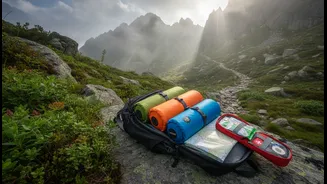
With the core items sorted, a few smaller additions can greatly improve your comfort. A rain cover for your backpack is essential to protect your belongings. Use waterproof pouches or simple zip-lock bags to give an extra layer of protection to your phone, wallet, and any important documents. A compact, quick-drying microfiber towel is invaluable. Given the humidity and dampness, an antifungal powder can be a lifesaver. Also, pack a reliable insect repellent, as the mosquito population booms during the monsoon. Finally, with the possibility of weather-related power cuts, a fully charged power bank is a modern-day necessity.