






The Urban Dream, The Rural Reality
The aspiration for quality education and better career opportunities drives a large-scale migration of students from rural areas to urban centres in India. However, this transition is fraught with challenges. For many, the first major obstacle is the journey
itself. Booking train or bus tickets often involves long trips to a travel agent, navigating complex schedules, and facing the risk of inflated prices. Finding affordable accommodation in a new city is another daunting task, often relying on word-of-mouth or brokers. These initial steps can be overwhelming, causing significant financial and mental stress before their academic life even begins. This process often disadvantages students who lack the cultural capital or social networks of their urban peers, creating a sense of alienation from the outset.
The Digital Bridge to Opportunity
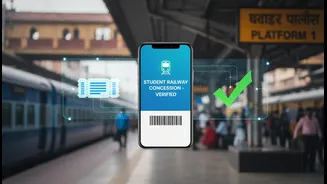
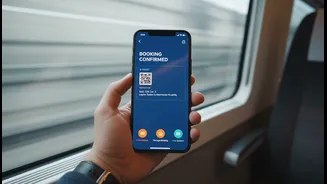
The proliferation of smartphones and cheaper internet, even in remote areas, has been a game-changer. Online booking platforms for travel and lodging have emerged as a powerful tool for these students. What makes this revolution truly accessible is the seamless multi-device experience. A student might begin their search on a shared desktop at a local Common Service Centre (CSC) or a cyber cafe, exploring train routes, comparing bus fares, or looking for budget-friendly hostels. Later, they can continue the process and finalise the booking on a personal smartphone. This flexibility means they are not dependent on owning a high-end device or having a constant, personal internet connection. They can start, pause, and complete their planning and booking across different devices as and when access is available.
More Than Just a Ticket
The benefits of these digital tools extend far beyond mere convenience. They empower students by providing transparency in pricing, eliminating the need for intermediaries who might charge exorbitant fees. Seeing all options laid out—from different travel classes to a range of accommodation prices—allows for better financial planning and decision-making, a crucial factor for students from families with meager incomes. This autonomy builds confidence. Instead of arriving in a city with uncertainty, they can arrive with a confirmed ticket and a booked place to stay. This reduces the immense psychological burden and allows them to focus on the real purpose of their journey: their education. It levels the playing field, giving them a measure of control that was previously out of reach.
Accessibility Is The Key
For these platforms to be truly effective, accessibility is paramount. The most successful apps and websites are those designed with the rural user in mind. This includes offering interfaces in multiple regional languages, which breaks down significant barriers for students less proficient in English. Furthermore, 'lite' versions of apps that consume less data are critical in areas with poor or expensive connectivity. The integration with the Unified Payments Interface (UPI) has also been transformative, allowing for secure and easy digital payments without the prerequisite of a credit card. These features ensure that the digital divide—the gap in infrastructure and digital skills—doesn't prevent students from accessing these vital services.
Navigating The Last Mile
Despite significant progress, challenges remain. Internet connectivity can still be unreliable in many parts of rural India, and the digital literacy gap is real. Not every student is comfortable or equipped to navigate online platforms independently. This is where physical-digital hybrid models, like the government's Common Service Centres (CSCs), play a vital role. These centres provide assisted access, where a trained operator can help students use online booking portals, bridging the gap between digital services and those who need them most. As digital literacy programs like the Pradhan Mantri Gramin Digital Saksharta Abhiyan (PMGDISHA) expand, more students will be empowered to use these tools on their own.