
Venus at Its Brightest
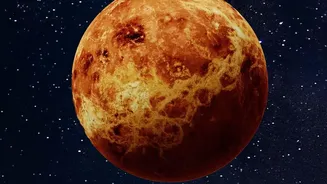
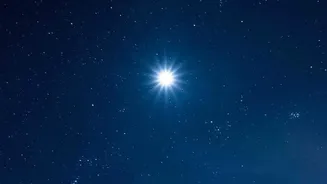
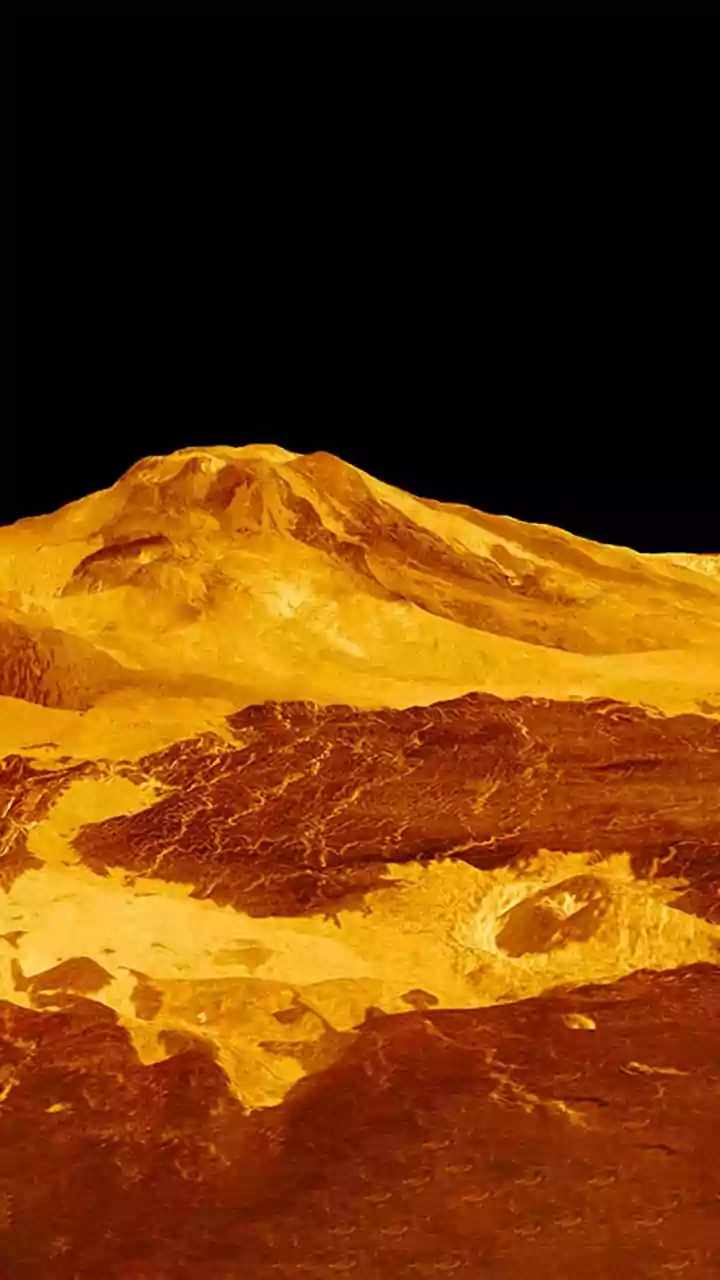
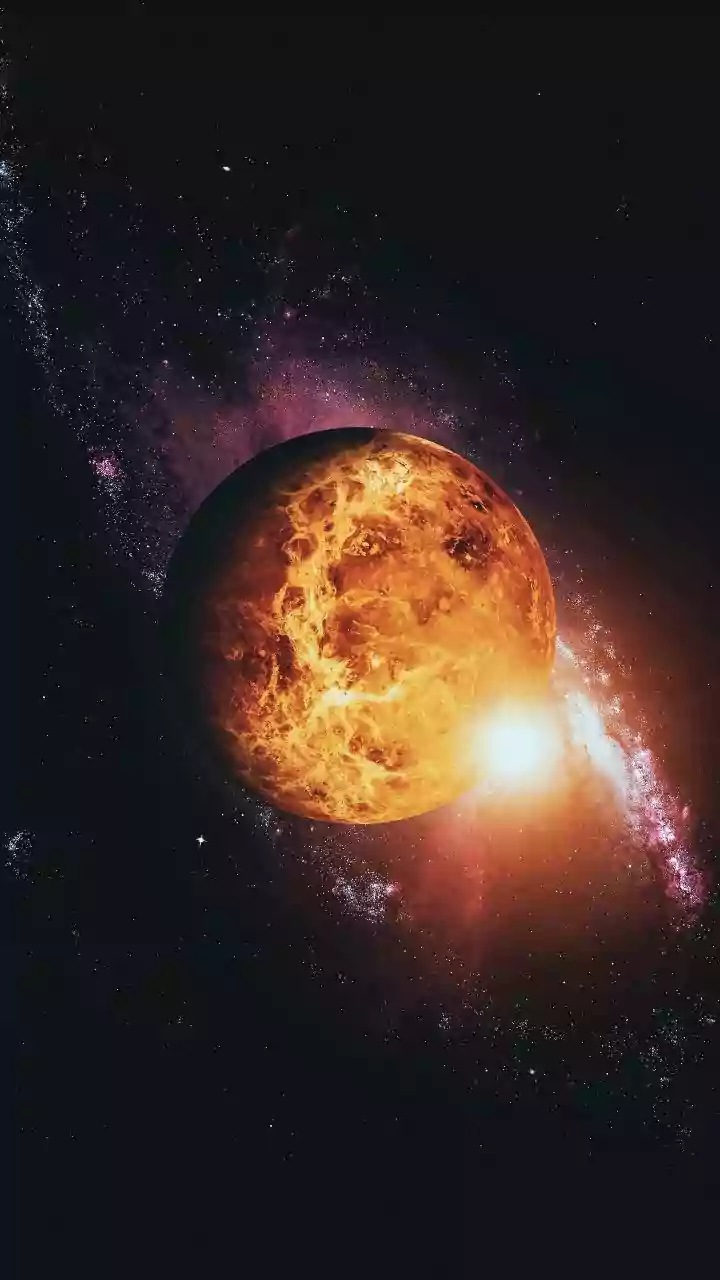
Throughout September, Venus will be a brilliant beacon in the western sky shortly after sunset. The planet reaches its greatest illuminated extent, or peak brightness, around September 18-22, shining at a dazzling magnitude -4.8. This makes it the brightest
object in the night sky, aside from the Moon. On the evening of September 14, look for a beautiful pairing as the thin crescent Moon sweeps past brilliant Venus, creating a stunning photo opportunity just after sunset. This sight won't require an early morning alarm; the duo will be visible for about an hour before they dip below the horizon.
The Dark Skies of the New Moon
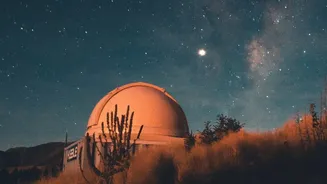
For those who love to gaze at faint, distant objects, the night of the New Moon is the perfect time. On September 11, the Moon will be new, meaning its illuminated side faces away from Earth, leaving the sky exceptionally dark. These dark conditions are ideal for viewing the Milky Way's core, which is still visible in the Northern Hemisphere before it disappears for the season. It's also a great opportunity to spot fainter star clusters and nebulae, far from the glare of city lights. Plan a trip to a dark-sky location to take full advantage of this monthly celestial gift.
A Balance of Day and Night: The Autumnal Equinox
Mark your calendars for the official start of autumn. The autumnal equinox for the Northern Hemisphere occurs on September 22 or 23, depending on your time zone. For India, it will be in the early hours of September 23. This is the astronomical event where the Sun crosses the celestial equator, moving from north to south. On the equinox, day and night are of roughly equal length across the globe. After this date, the nights will grow longer than the days, leading us toward winter.
The Rise of the Full Harvest Moon
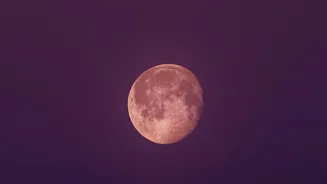
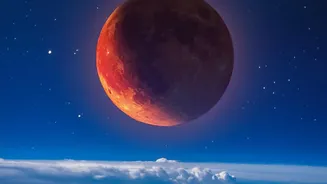
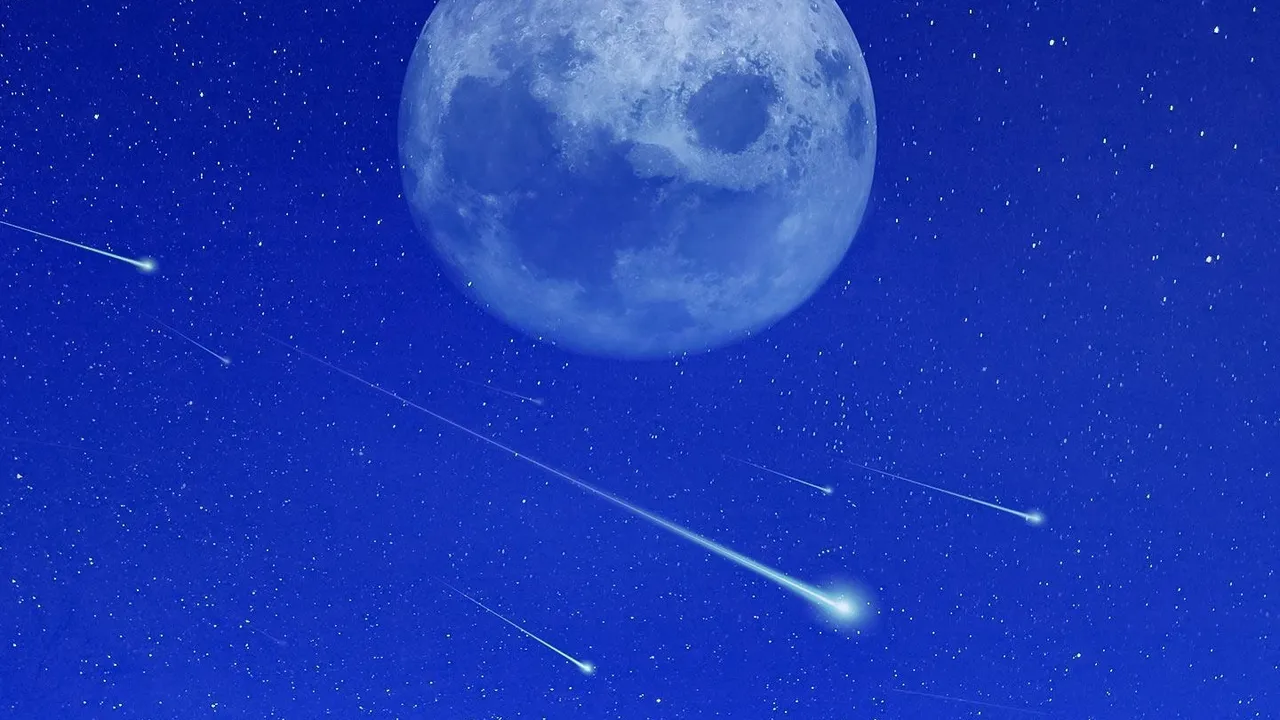
September's full moon, known as the Harvest Moon, will reach its peak illumination over India on the night of September 26. It will reach its fullest at 10:19 pm IST. This particular full moon gets its name because it is the one closest to the autumnal equinox. A unique feature of the Harvest Moon is that for several consecutive evenings, the Moon rises near the time of sunset. In the past, this provided farmers with extra light to bring in their crops. For the best view, watch the full moon rise over the eastern horizon, where it may appear large and cast a golden-orange glow.
Planetary Meetings in the Sky
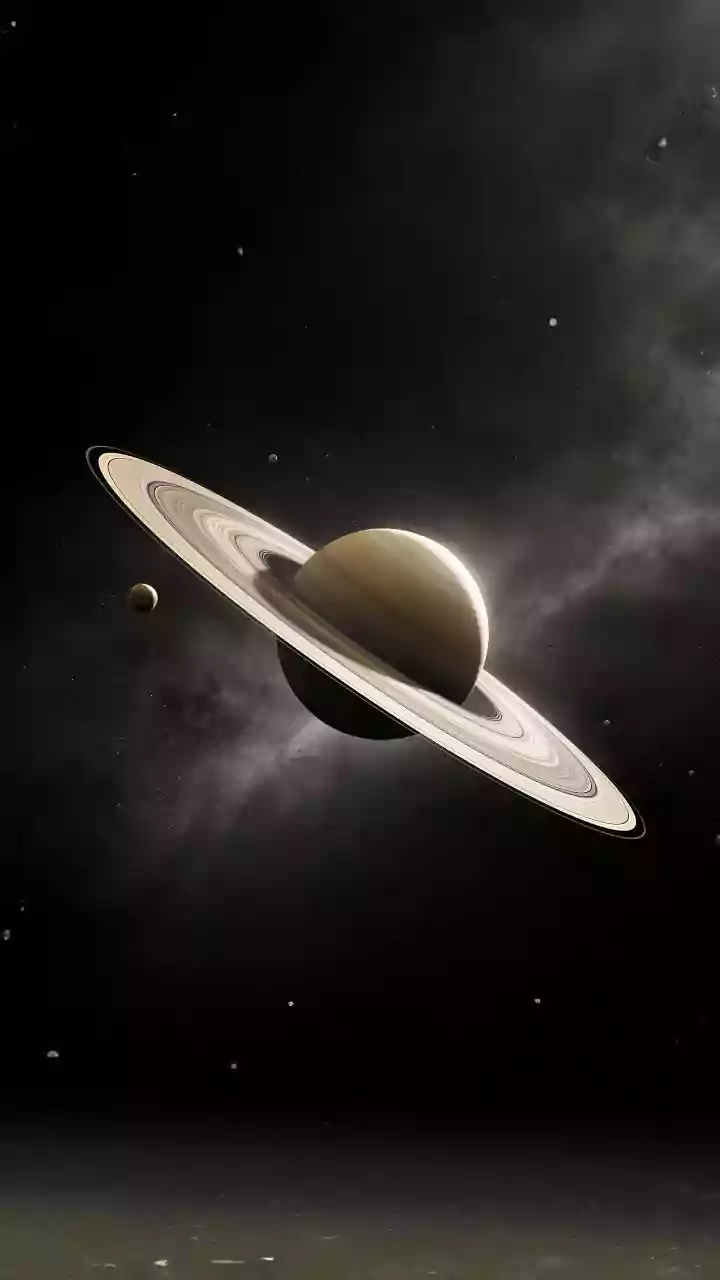
September offers several beautiful conjunctions, or close visual pairings, of the Moon and planets. Early in the month, on September 6 and 7, the waning crescent Moon will rise alongside reddish Mars in the pre-dawn hours. Just a day later, on September 8, an even thinner crescent Moon will be seen very close to the giant planet Jupiter, also in the morning sky. Towards the end of the month, on the night of the full moon, look for Saturn shining brightly near the Moon. The ringed planet will appear as a bright, steady, star-like object, making for a grand finale to the month's celestial events.