


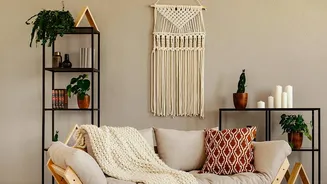
The Comeback Kid of Furniture
If you associate daybeds with childhood bedrooms or dusty guest rooms of the past, it’s time to look again. In 2026, the daybed is re-emerging as a chic, sophisticated centrepiece in modern homes. This isn't just a fleeting trend; it’s a direct response
to our changing lifestyles. With urban apartments in cities across India getting more compact, every square foot matters. Designers are championing the daybed for its ability to blend form and function seamlessly. No longer just a simple frame for a twin mattress, today's versions are sculptural, featuring luxurious upholstery like velvet and bouclé, minimalist wooden frames, and even integrated storage. They are being celebrated not as secondary pieces, but as primary seating that introduces a more relaxed, flexible feel to a room.
A Brief History of Lounging
The daybed’s appeal isn't new; it has a rich history stretching back to ancient cultures. The Egyptians and Romans famously lounged on early versions while eating and socialising. In ancient Greece, these pieces, called 'klines', were central to social gatherings. The concept evolved through the centuries, from the French chaise lounge of the 1700s to the Victorian fainting couch. Even Sigmund Freud's famous psychoanalytic couch was, in fact, a daybed, chosen to create a relaxed, contemplative state for his patients. This long history proves that a piece of furniture designed for something between sitting and sleeping has always held a special relevance.
The Ultimate Space-Saving Hero
The primary driver behind the daybed's 2026 revival is its incredible versatility. In an age where the home office is often the guest room and the living room is also a gym, furniture that can perform multiple roles is invaluable. A daybed is the perfect hybrid: it's a stylish sofa for entertaining guests, a comfortable spot for reading or napping, and an instant bed for overnight visitors. Unlike a bulky, often unattractive sofa bed, a daybed is designed to look good in all its roles. Many modern designs also incorporate clever storage solutions like built-in drawers or trundles, making them ideal for decluttering small spaces. This functionality eliminates the need for separate pieces of furniture, freeing up precious floor space and creating a more open, airy feel.
The Real Design Lesson
The daybed’s return isn’t just about the piece itself; it’s about the broader shift towards what designers call “layered” or “flexible” living. It represents a move away from rigid, formal room layouts. The lesson from the daybed is that furniture should adapt to our lives, not the other way around. This trend insists on having both style and utility, refusing to compromise on either. We see this philosophy in other popular furniture trends, too: nesting coffee tables that can be expanded or tucked away, modular shelving that can be reconfigured as needs change, and extendable dining tables that are just as suitable for a solo meal as they are for a dinner party. The rise of the daybed is a symptom of a larger, smarter approach to furnishing our homes, where every piece must justify its footprint with maximum functionality and aesthetic appeal.
Choosing Your Perfect Daybed
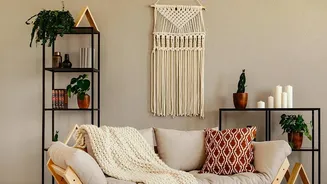
Convinced a daybed is right for you? The 2026 market offers a style for every taste. For a minimalist or Scandinavian look, opt for a piece with clean lines, a light wood frame, and neutral upholstery. If you prefer a bolder statement, consider a daybed in a rich jewel tone like emerald or sapphire, or with unique details like caning or channel tufting. When choosing, consider the primary function. If it will serve as a main seating area, focus on a comfortable, durable fabric and a supportive frame. If it's for frequent guest use, invest in a high-quality mattress. Pay attention to scale; a low-profile daybed can make a small room feel larger, while a model with elegant legs can create a sense of lightness and space.