






Breaking the All-or-Nothing Cycle
One of the most common reasons people fail to build an exercise habit is the 'all-or-nothing' mindset. We believe that if we can't commit to a 60-minute gym session or a long run, there's no point in doing anything at all. This mindset creates a huge
psychological barrier. A ten-minute session, in contrast, is psychologically easier to start. It requires less mental preparation and lowers the perceived barrier to entry, making it much harder to skip. The feeling of dread that can accompany a long workout is replaced by the empowering thought, 'It's just 10 minutes'. This simple shift is crucial for turning exercise from a chore into a routine.
The Science of Small Wins
Habits are built on repetition, not duration. The brain forms habits through a 'cue-routine-reward' loop. When you consistently repeat a behavior, the neural pathways for that action become stronger and more automatic. A short, daily workout is the perfect 'routine' to insert into this loop. Because the time commitment is minimal, it's far easier to achieve consistency. Each completed 10-minute workout delivers a small 'reward'—a release of mood-boosting endorphins and a sense of accomplishment. This positive feedback reinforces the habit, making you more likely to do it again tomorrow. This process of building self-efficacy, or the belief in your ability to succeed, is more valuable for long-term health than infrequent, high-intensity efforts.
Why 10 Minutes Is Enough to Matter
While it might not prepare you for a marathon, a 10-minute daily workout delivers real, measurable health benefits. Research shows that short, frequent bursts of movement can improve cardiovascular health, help regulate blood sugar, lower blood pressure, and reduce stress. In fact, studies have found that accumulating exercise in short 10-minute bouts can be just as effective for health and weight management as one continuous long session. One study even estimated that adding just 10 minutes of moderate activity per day could prevent a significant number of deaths annually. These 'exercise snacks' also break up long periods of sedentary time, which is a major health risk on its own.
Designing Your Perfect 10-Minute Routine
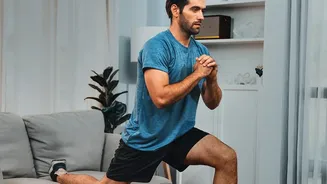
The best 10-minute workout is one you'll actually do. The goal is to get your heart rate up and engage major muscle groups. You don't need any special equipment to start. A simple and effective structure could include: Warm-up (1-2 minutes): Start with gentle movements like marching on the spot, arm circles, and leg swings to get your blood flowing. Main Set (6-8 minutes): Create a circuit of 3-4 bodyweight exercises. Perform each for 45 seconds, rest for 15, and repeat the circuit. Great options include squats, push-ups (on knees or toes), lunges, planks, and jumping jacks. Cool-down (1 minute): Finish with some light stretching, focusing on the muscles you just worked. The key is to focus on good form and maintain a level of intensity that feels challenging but sustainable for the short duration.
Tricks to Make the Habit Stick
Consistency is king, so set yourself up for success. One of the most effective strategies is 'habit stacking'. Anchor your new 10-minute workout to an existing, non-negotiable part of your day. For example: 'Right after I brush my teeth in the morning, I will do my 10-minute workout'. You can also make it easier to start by laying out your workout clothes the night before. Use phone reminders or schedule it in your calendar like any other important appointment. Finally, track your progress. Ticking off each day in a calendar provides a visual cue of your success and builds momentum, making you less likely to break the chain.