

Why Train Movements, Not Just Muscles?
For decades, many have built workouts by isolating muscles: chest day, back day, leg day. This approach can build size, but it often fails to build strength that translates to the real world. Training movement patterns — like pushing, pulling, and squatting
— is a more functional method. It teaches muscle groups to work together in a coordinated way, just as they do when you lift a heavy box or play with your kids. This not only builds practical, usable strength but also improves stability, enhances coordination, and significantly reduces the risk of injury by preventing muscular imbalances.
The Squat: Foundational Lower Body Strength
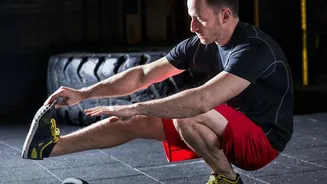
The squat is a fundamental pattern for life, mimicking actions like sitting in a chair or getting out of a car. This compound movement primarily targets your quadriceps and glutes but also engages your core for stability. Mastering the squat builds a powerful lower body that serves as the foundation for countless other activities. Variations are endless, from simple bodyweight squats to goblet squats with a kettlebell or traditional barbell back squats.
The Hinge: Powering the Posterior Chain
The hip hinge involves bending at the hips while maintaining a neutral spine, a crucial skill for safely lifting objects off the floor. This pattern is the cornerstone of exercises like deadlifts, kettlebell swings, and glute bridges. It specifically strengthens the posterior chain: the hamstrings, glutes, and lower back. A strong hinge pattern is one of the best safeguards against lower back pain and is essential for developing explosive power for sports and daily life.
The Push: Upper Body Pressing Power
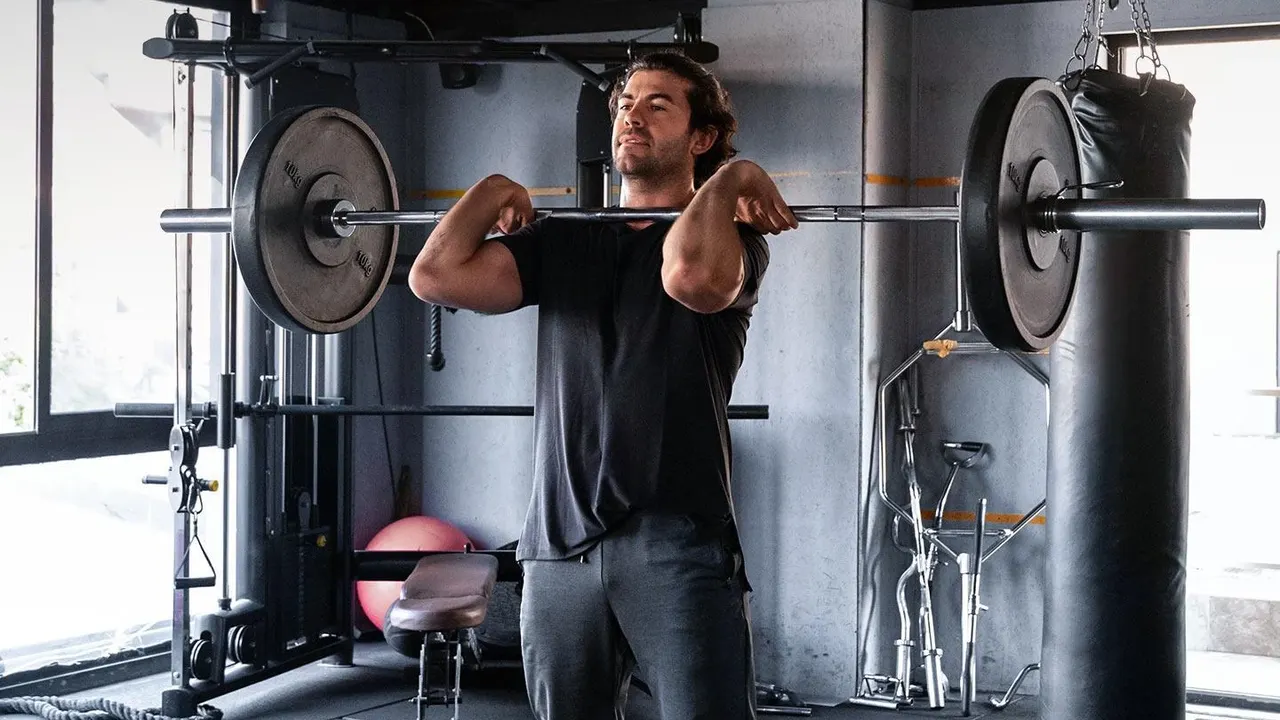
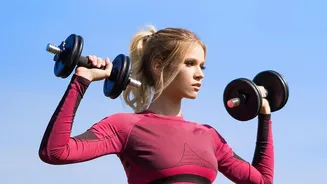
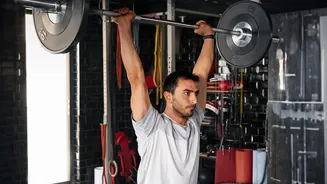
Pushing movements involve moving a weight away from your body, either horizontally or vertically. Horizontal pushes, like the classic push-up and bench press, primarily develop the chest, shoulders, and triceps. Vertical pushes, such as the overhead press, focus more on the shoulders and core stability. A well-rounded programme includes both to build balanced upper body strength and maintain healthy shoulder function.
The Pull: For A Strong Back And Better Posture
The pull is the natural counterpart to the push, crucial for balancing the strength in your upper body and promoting good posture. These exercises involve pulling a weight towards your torso. Horizontal pulls like bent-over rows target the mid-back, while vertical pulls like pull-ups and lat pulldowns build a wide, strong upper back. Neglecting your pull exercises in favour of pushes is a common cause of rounded shoulders and can lead to future discomfort.
The Lunge: Single-Leg Stability and Balance
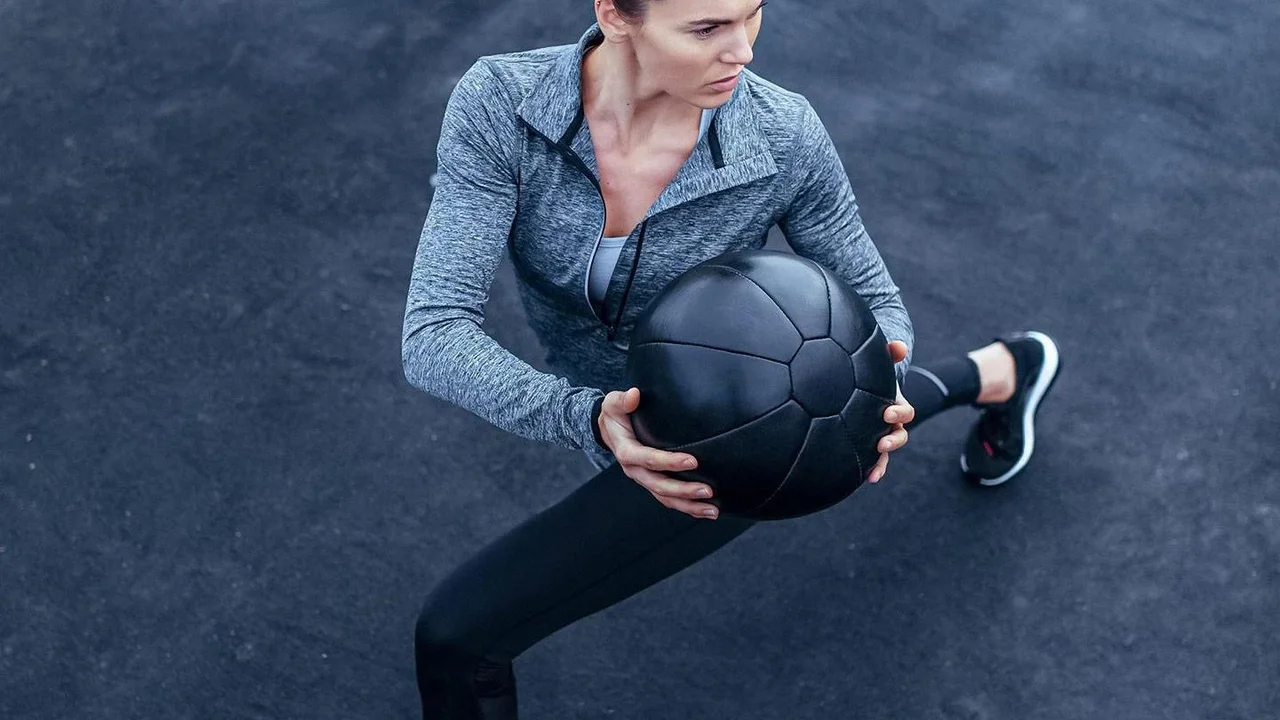
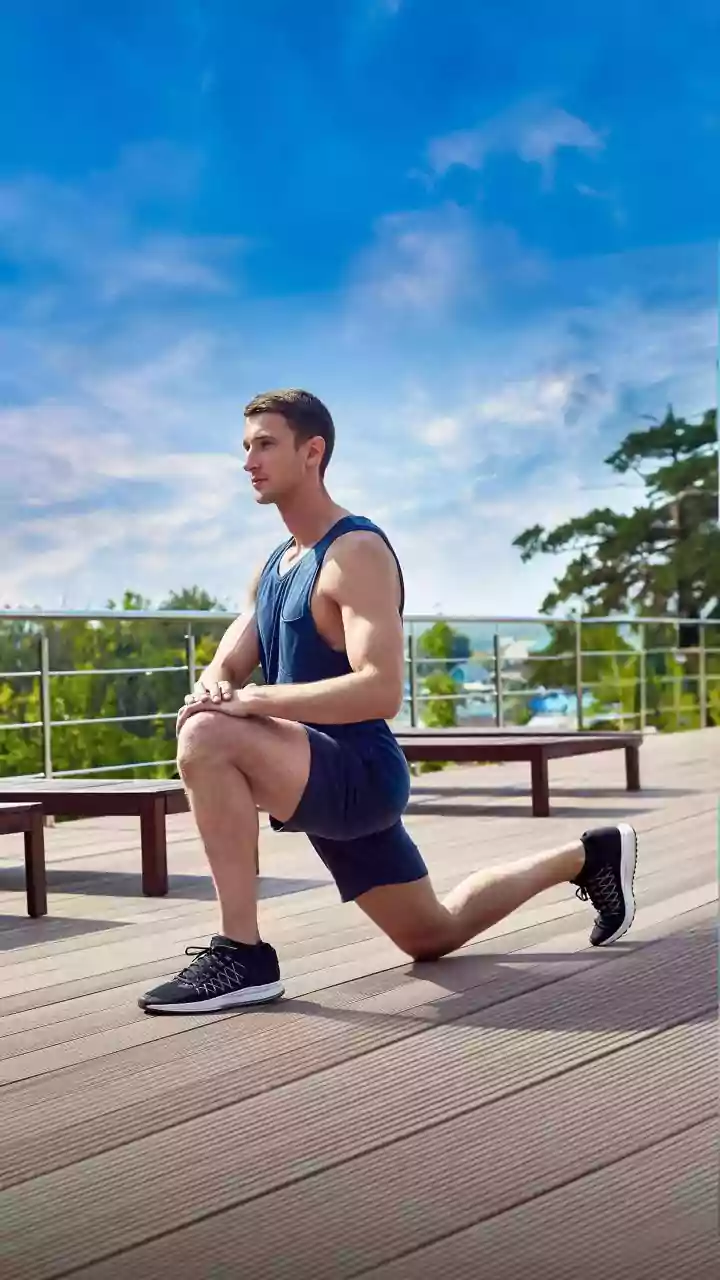
Life is often lived on one leg at a time, whether you're walking, climbing stairs, or running. The lunge pattern trains this single-leg strength and stability. Exercises like forward, reverse, and side lunges challenge your balance, coordination, and the muscles of your legs and glutes individually. This focus on unilateral (single-side) strength helps to correct imbalances between your left and right sides and improves overall stability.
The Carry: Core Strength and Real-World Function
Perhaps the most directly functional pattern is the carry, which involves moving a load over a distance. Think of carrying groceries, a suitcase, or a child. Exercises like the Farmer's Walk (carrying a weight in each hand) or Suitcase Carry (one-sided) are phenomenal for building a strong, braced core, improving grip strength, and developing total-body resilience. This pattern teaches your core to resist movement and stabilise the spine under load.
How to Build Your Workout Week
Organising your week is simple. Instead of 'leg day', think 'lower body patterns'. A common approach is a full-body routine performed 2-3 times per week, ensuring you hit each movement pattern in every session. For example, a workout could include a squat, a hinge, a push, a pull, and a carry. Alternatively, you could split your week into an 'Upper Body' day (push/pull) and a 'Lower Body' day (squat/hinge/lunge), adding carries to either day. The key is to ensure all patterns are trained regularly for balanced, functional strength.