





What is Eco-Baking, Exactly?
Eco-baking, at its heart, is about minimizing environmental impact in the kitchen. It’s a thoughtful approach that touches every part of the baking process. This includes reducing waste, conserving energy, and making conscious ingredient choices. Practitioners
focus on using reusable tools like silicone liners instead of single-use paper cups, and storing finished goods in glass containers or beeswax wraps rather than plastic. The philosophy extends to ingredients, prioritizing locally sourced, organic, and seasonal produce to cut down on the carbon footprint associated with transportation. It's also about a zero-waste mindset, finding creative uses for every part of an ingredient, like turning fruit peels into zest or composting eggshells and coffee grounds.
The Millennial Ingredient: A Dash of Purpose
Millennials and Gen Z are leading this charge, driven by a deeper awareness of climate change and a desire for their consumption habits to align with their values. This generation is more likely to scrutinize where their food comes from, how it was made, and the ethical standards of the companies producing it. For them, sustainability is a key factor in their food choices, leading many to embrace plant-based diets or reduce their consumption of animal products, which have a larger environmental footprint. Eco-baking provides a tangible way to exercise control over these choices. It’s a hands-on activity that feels both productive and purposeful, turning the simple act of baking a cake into a small statement of environmental stewardship.
Why July? The Monsoon Connection
In India, the arrival of the monsoon in July creates a specific cultural moment. As the weather cools and outdoor activities become limited, people turn inwards, and the kitchen often becomes the heart of the home. This season is traditionally associated with warm, comforting foods and drinks like chai and pakoras. Baking fits perfectly into this atmosphere, offering a cozy indoor activity. Recent trends show a preference for warm, freshly prepared desserts during the rainy season, over cold or frozen ones. Baking everything from gooey chocolate brownies to savoury tea cakes becomes a popular way to enjoy a rainy afternoon with family. The increased humidity of the monsoon does present unique challenges, requiring bakers to adjust recipes and storage methods, but this only adds to the mindful nature of the craft.
From Kitchen Scraps to Sourdough
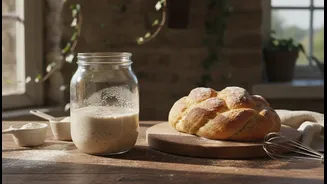
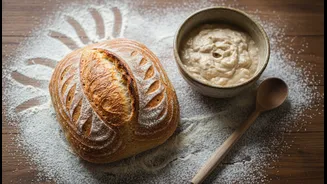
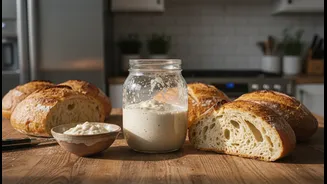
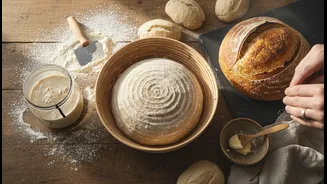
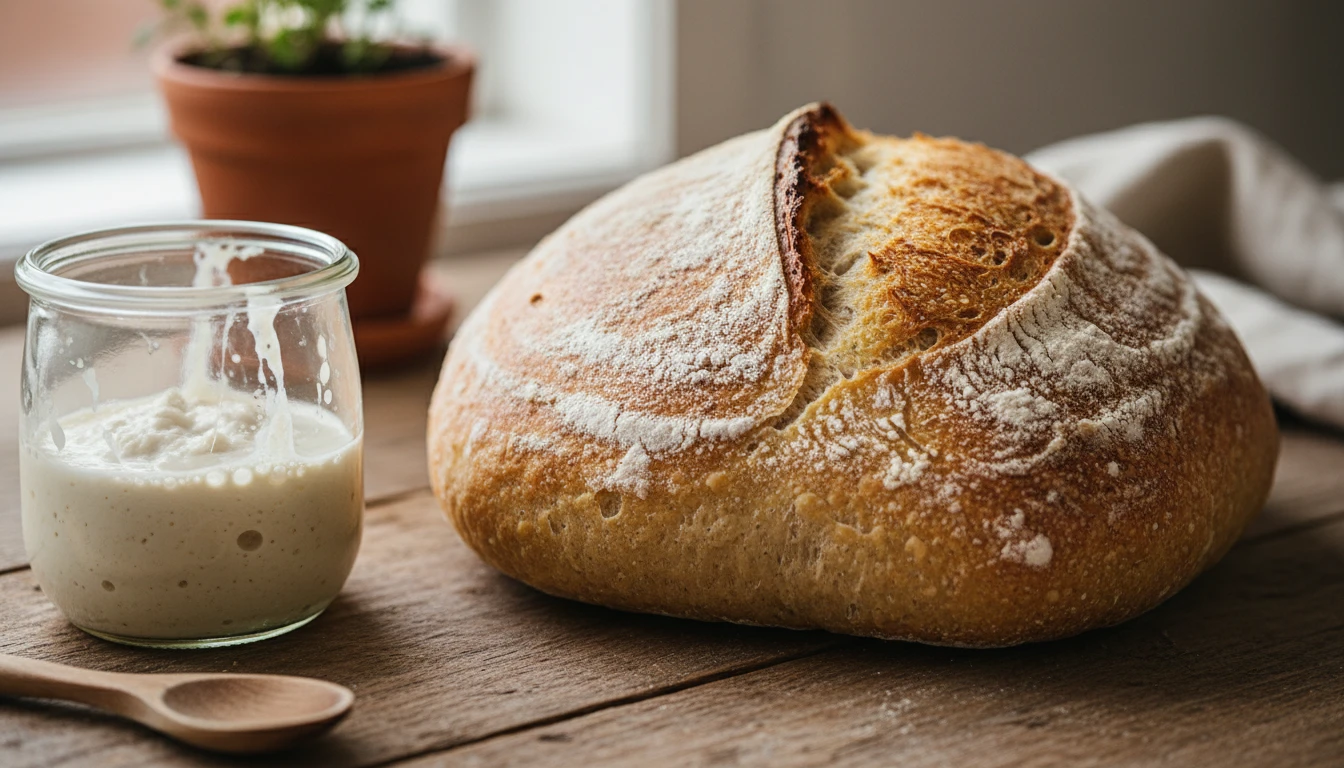
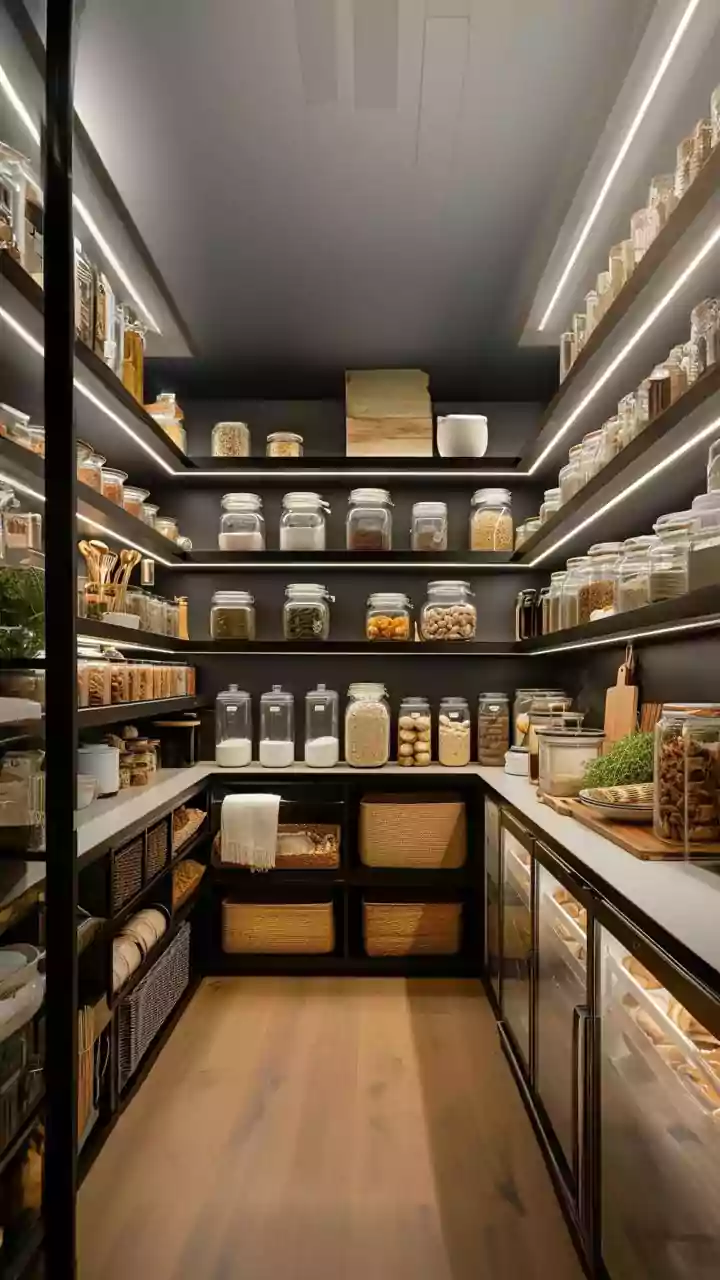
The principles of eco-baking are deeply rooted in traditional Indian kitchen wisdom, which has always emphasized using every part of an ingredient. Modern eco-bakers are reviving these practices, like using vegetable peels to make stock or turning stale rotis into new snacks. The sourdough craze is another key part of this movement. It champions natural fermentation and challenges the wastefulness of discarding starter, with many bakers adopting "scrapings" methods to maintain their starter with zero waste. This ethos extends to reducing reliance on packaged goods by making things from scratch, buying staples like flour and lentils in bulk using reusable containers, and favouring local sabzi mandis over supermarkets to minimize plastic packaging.
More Than Just a Trend
While the aesthetic of rustic loaves and minimalist kitchens is popular on social media, the eco-baking movement is more than a fleeting trend. It represents a fundamental shift in consumer consciousness, particularly among younger urban populations. This shift is influencing the entire food industry, with professional bakeries also adopting more sustainable practices, from eco-friendly packaging to sourcing local ingredients, in response to rising consumer demand. By choosing to bake with intention, urban millennial home cooks are not just making dessert; they are cultivating a more sustainable relationship with their food, their environment, and their traditions, one mindful recipe at a time.