






The Green Revolution in Urban Health
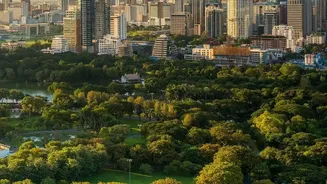
The most powerful and consistent finding from recent studies is the profound impact of green space on urban health. Researchers are moving beyond simply saying “nature is good” and are now quantifying its benefits. A study from Texas A&M University found that
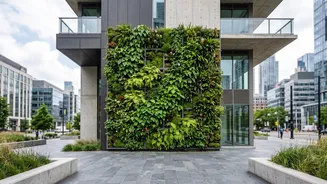
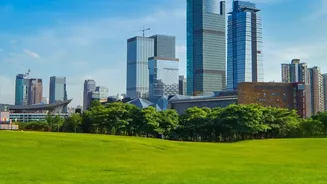
people living in neighbourhoods with adequate nature access had a 51% lower likelihood of developing depression. The key is not just vast, distant parks, but integrating nature into the urban fabric. The Barcelona Institute for Global Health promotes a simple but effective “3-30-300” rule: every resident should be able to see at least three trees from their home, live in a neighbourhood with 30% tree cover, and be within 300 metres of a green space. Following this rule was linked to better mental health and less reliance on medication. Even small doses matter; a Harvard study showed that just 15 minutes in a green space can provide significant mental health benefits.
Designing for Movement
For decades, many cities were designed around cars, leading to sedentary lifestyles. New research reinforces the idea that urban planning is a powerful public health tool. Studies show that people in activity-friendly neighbourhoods get significantly more physical activity per week. A recent large-scale study using smartphone data confirmed that when people move to more walkable communities, their daily step count and overall physical activity increase. This isn't just about weight management. Walkable areas with well-connected streets and accessible public transport are linked to lower rates of obesity, diabetes, and hypertension. Urban planners are now looking at creating and retrofitting spaces to make movement the default choice, seamlessly integrating physical activity into daily routines through better cycling and walking infrastructure.
The Architecture of Social Connection
Loneliness has been identified as a major public health crisis, with some studies suggesting it can cost people years of healthy life, particularly impacting mental health. Cities can either amplify this isolation or combat it. Research highlights the importance of what are called “bumping spaces”—places like parks, libraries, and local squares where spontaneous social interactions can happen. Green spaces play a dual role here. Beyond their calming effects, they facilitate social connection. Studies show that frequent visits to parks are linked to greater satisfaction with personal relationships and a stronger sense of community, which in turn boosts mental well-being for all residents, including those who live alone. Designing transport infrastructure that is safe, reliable, and affordable is also crucial, as it enables people to access social activities and maintain connections.
More Than Just Parks and Pavements
The new wave of research takes a holistic view. It's not just about adding a park here or a bike lane there. It’s about creating a multi-sensory environment that supports health. For instance, studies are examining how to mitigate noise pollution, a major urban stressor. Urban forests, not just open grassy parks, have been found to be particularly effective at reducing depression and anxiety. Furthermore, the benefits of nature exposure can even be measured physiologically, with research showing it can lower blood pressure and heart rate. This growing body of evidence makes a strong business case for nature-positive interventions, demonstrating that the economic benefits of improved public health and longevity far outweigh the costs of planting and maintaining urban greenery.