

Understanding the Spectacle
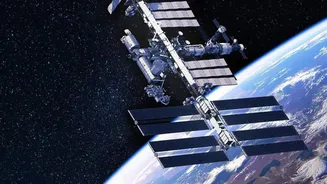
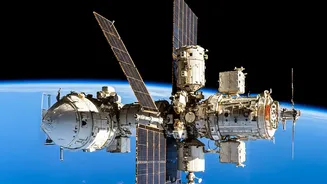
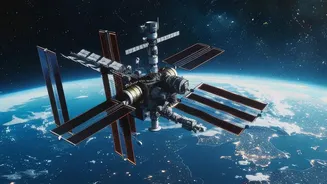
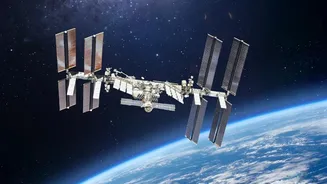
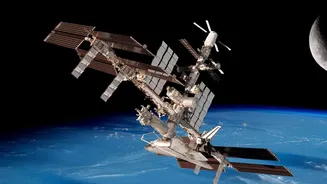
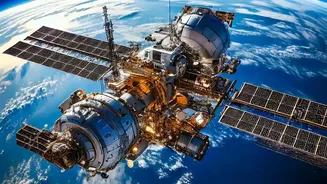
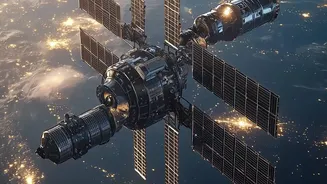
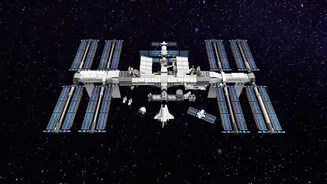
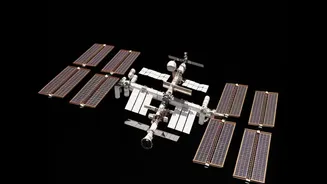
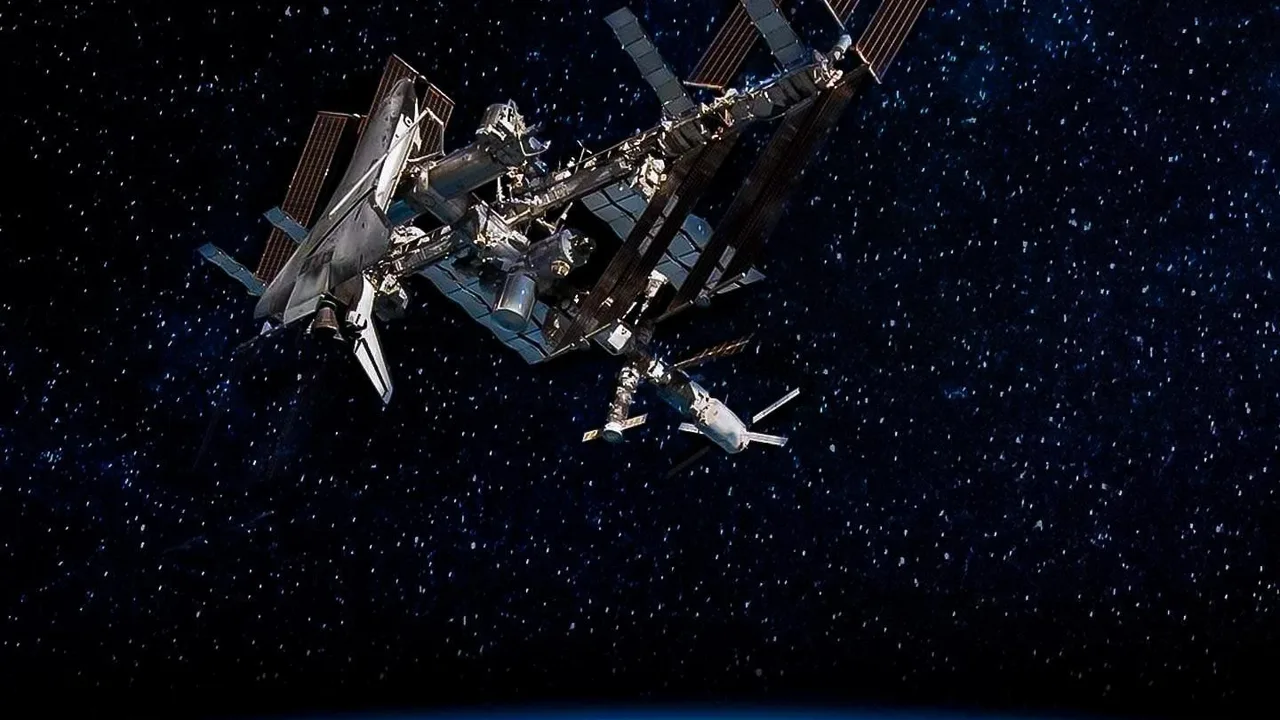
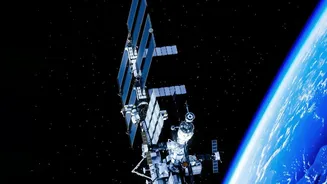
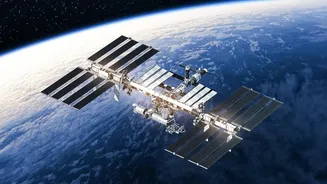
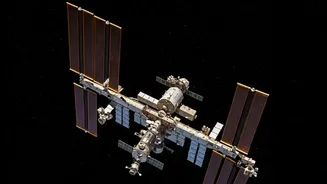
The International Space Station (ISS) is a marvel of human engineering, a modular research laboratory orbiting our planet at an altitude of about 420 kilometres. Travelling at a staggering speed of nearly 28,000 kilometres per hour, it circles the Earth
roughly every 90 minutes, meaning the astronauts on board witness about 16 sunrises and sunsets each day. Because of its large size and highly reflective solar panels, the ISS shines brightly by reflecting sunlight. It's the third brightest object in the night sky and can be easily seen without any special equipment from the ground, looking like a fast-moving, brilliant star.
The Perfect Time to Look Up
Timing is everything when it comes to spotting the station. The best viewing opportunities occur in the hours just before sunrise or after sunset. During this twilight window, the sky on the ground is dark, but the ISS, at its high altitude, is still bathed in sunlight, making it stand out against the night sky. Passes can last anywhere from a couple of minutes to over six minutes, depending on the path it takes across your sky. A pass directly overhead will be visible for longer and appear brighter than one that just skims the horizon.
Your Essential Tracking Tools
You don't need to be an astronomy expert to find the ISS. Several user-friendly websites and smartphone apps do the hard work for you. NASA's official "Spot The Station" service is a top resource. You can sign up on their website for email or text alerts that tell you the exact time, duration, and direction of upcoming sightings for your specific location. For on-the-go tracking, apps like 'ISS Detector' and 'Satellite Tracker by Star Walk' are highly recommended for both Android and iOS. These apps often feature real-time tracking maps, countdowns to the next pass, and even augmented reality modes that let you point your phone at the sky to see the station's exact path.
Upcoming Sighting Opportunities in India
India's geographic location makes it an excellent place to view the ISS. For the week of August 17, 2026, stargazers across the country have several great chances. For example, in Delhi, a bright pass will be visible on Monday, August 17, starting at 4:31 AM, lasting for six and a half minutes and reaching a high point in the sky as it moves from southwest to northeast. Another pass over Delhi occurs on Tuesday, August 18, at 3:43 AM. Since sighting times are highly specific to your location, it's crucial to use one of the recommended apps or NASA's website to get precise details for your city, whether it's Mumbai, Bengaluru, Kolkata, or anywhere else. These tools will provide the start time, maximum height, and the direction it will appear and disappear.
What to Expect and What to Bring
When you're ready for a sighting, find a spot with a clear view of the sky, away from tall buildings or bright city lights if possible. Give your eyes a few minutes to adjust to the darkness. The ISS will appear as a steady, bright white point of light moving smoothly and quickly across the sky. Unlike an airplane, it does not have flashing or blinking lights. The best part is that you don't need any special equipment. The station is easily visible to the naked eye. However, if you have a pair of binoculars, they can enhance the experience, sometimes even revealing the station's T-shape. But for your first time, simply looking up and watching this beacon of human achievement soar overhead is more than enough.