





Balancing intense gym sessions with the right nutrition can be a challenge, especially on a plant-based diet. But what if hitting your muscle repair goals could be simple and delicious? Smart meal prepping is the game-changer you need.
The Truth About Plant Protein and Muscles
A common myth is
that you can't build muscle effectively on a plant-based diet. The reality is that plants can provide all the necessary building blocks your body needs. Muscle repair is driven by protein, which is made of amino acids. Nine of these are 'essential' because our bodies can't make them—we must get them from food. While most animal proteins are 'complete' (containing all nine), many plant foods are 'incomplete'. However, this is easily solved. Some plant foods like quinoa, buckwheat, and soy products (tofu, tempeh, edamame) are complete proteins on their own. Others simply need to be combined.
Creating Complete Proteins: It's Easy
You don't need a degree in nutrition to pair your proteins correctly. In fact, you don't even need to eat them in the same meal. Your body can store and combine amino acids consumed throughout the day to form complete proteins. Classic combinations are often staples in Indian cuisine. Think dal with rice or roti, chana masala with a side of whole grains, or a peanut butter sandwich on whole-wheat bread. The simple rule is to eat a varied diet of legumes (beans, lentils, chickpeas), grains (rice, oats, quinoa), nuts, and seeds. This variety ensures your body gets the full spectrum of amino acids needed for robust muscle synthesis.
Recovery Isn't Just About Protein
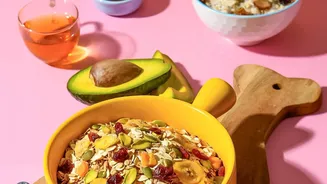
While protein is the star player in muscle repair, it needs a strong supporting cast. Carbohydrates are crucial for recovery. After a workout, your muscles' energy stores (glycogen) are depleted. Carbs are essential to replenish them, which speeds up recovery and reduces fatigue. Consuming carbs with your protein can also enhance muscle repair by helping deliver amino acids to your muscle cells more efficiently. Healthy fats, like those found in nuts, seeds, and avocados, also play a role by providing sustained energy and helping to reduce exercise-induced inflammation.
Your Plant-Based Meal Prep Blueprint
Smart meal prep saves you time and removes guesswork. Start by dedicating a few hours once or twice a week to prepare your meals. First, plan your menu around your training schedule. Cook large batches of versatile base ingredients. For example, cook a big pot of quinoa, brown rice, dal, and chana masala. Chop vegetables like onions, peppers, and carrots and store them in airtight containers. You can also pre-portion snacks like roasted chickpeas or a mix of nuts and seeds. This 'grab-and-go' system ensures you always have a healthy, protein-packed meal ready when you need it, especially after a tough workout.
Sample Prep-Friendly Meals and Snacks
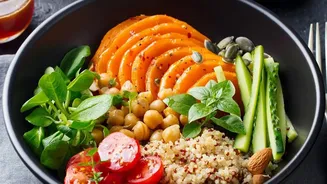
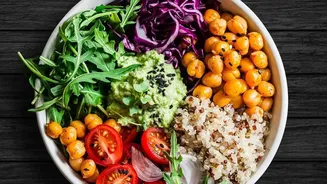
To get started, here are some easy ideas that work perfectly for meal prepping. For breakfast, overnight oats with chia seeds and a scoop of pea protein powder is a no-fuss option. For lunch, a quinoa bowl with black beans, corn, and chopped vegetables is both filling and nutritious. A hearty dinner could be pre-made lentil curry (dal) with a side of brown rice. Post-workout, a tofu scramble or a smoothie with soy milk, a banana, and spinach can provide that quick hit of protein and carbs your body craves. Snacks can be as simple as hummus with whole-wheat pita or a handful of roasted makhana (fox nuts).