


The Ultimate Kitchen MVP: Paneer
The ingredient in the spotlight is none other than paneer. This fresh, unaged cheese is a cornerstone of Indian vegetarian cuisine, beloved for its firm, non-melting texture and mild, milky flavour. Unlike aged cheeses, paneer doesn't have a sharp or overpowering
taste, which is precisely its strength. It acts like a sponge, soaking up the flavours of the spices and sauces it's cooked with, making it incredibly versatile. Whether you buy it from a store or make it at home by curdling milk with lemon juice or vinegar, its dense, sliceable form is what allows it to be grilled, fried, or simmered without losing its shape.
A Nutritional Powerhouse
Beyond its culinary flexibility, paneer is a nutritional heavyweight, especially for vegetarians. It is a complete protein, meaning it contains all nine essential amino acids your body needs for muscle repair and growth. A 100-gram serving can pack anywhere from 11 to 20 grams of protein, primarily from casein, which digests slowly and helps you feel full longer. Paneer is also rich in calcium and phosphorus, two minerals that are crucial for maintaining strong bones and teeth. For those watching their calorie intake, low-fat versions offer nearly the same protein punch with fewer calories.
A Fresh Take: Paneer in Salads
While often associated with rich curries, paneer is a fantastic addition to salads, offering a satisfying protein boost without the heaviness of meat. For a simple salad, you can crumble fresh paneer and toss it with chopped cucumbers, tomatoes, onions, and a light lemon-herb dressing. For more texture and flavour, cut the paneer into cubes, marinate it in yogurt and spices like turmeric, garam masala, and paprika, and then pan-fry or grill it until golden brown. These warm, spiced cubes provide a delightful contrast to crisp greens, bell peppers, and a cooling mint yogurt dressing.
The Heart of the Curry
In the world of curries, paneer reigns supreme. Its ability to absorb bold flavours makes it the perfect vehicle for a wide range of gravies. In a classic Paneer Butter Masala or Makhani, soft cubes of paneer are bathed in a creamy, tangy tomato and cashew sauce. For a spicier kick, Kadai Paneer features paneer cooked with bell peppers in a fragrant, freshly ground spice mix. And of course, there's the iconic Palak Paneer (or Saag Paneer), where paneer is paired with a vibrant, nutrient-rich spinach gravy, creating a dish that is both comforting and healthy.
Modern Meals: Building Better Bowls
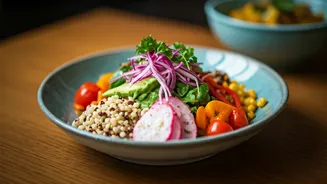
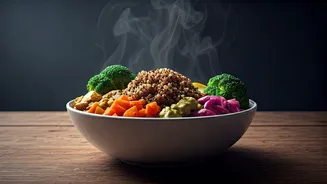
The grain bowl trend is a perfect match for paneer's versatility. It serves as an excellent protein centerpiece in a balanced, one-bowl meal. Start with a base of quinoa, brown rice, or millets. Top it with roasted or pan-fried paneer cubes, along with an assortment of colourful vegetables like roasted broccoli, sweet corn, grated carrots, and fresh spinach. A flavourful dressing—like a lemon-tahini sauce or a mint-yogurt drizzle—ties all the elements together. The combination of textures and flavours makes for a satisfying and nutritious lunch or dinner.
Tips for Perfect Paneer
To get the most out of your paneer, a little care goes a long way. If you buy store-bought paneer, you can keep it fresh for up to a week by storing it in an airtight container submerged in water in the refrigerator; just be sure to change the water every day or two. This trick keeps the paneer soft and prevents it from drying out. For longer storage, you can freeze paneer for up to a month. When you’re ready to cook, if the paneer feels too firm, soaking it in warm water for about 5-10 minutes will soften it beautifully, making it ready for any dish you have in mind.