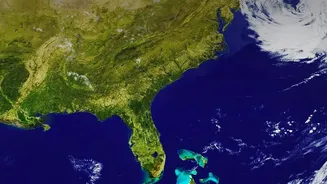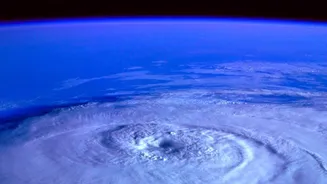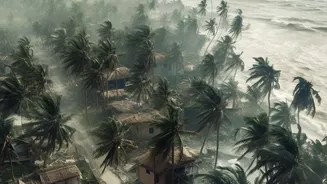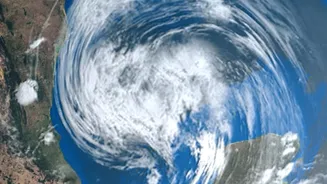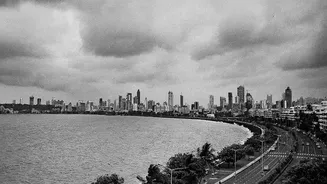




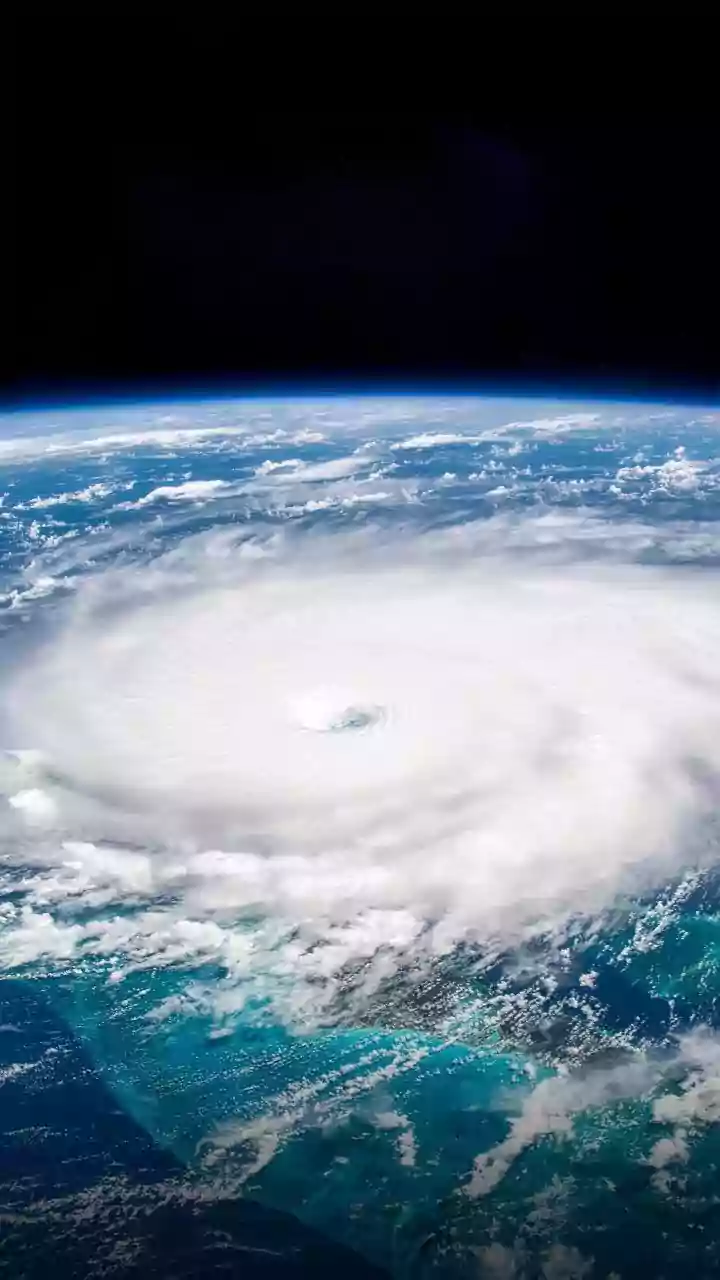
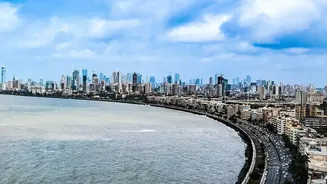

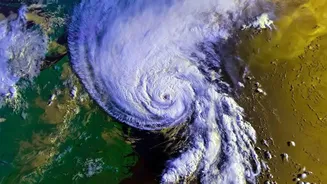
In the wake of the back-to-back strikes of Cyclone Murasu on the east coast and Cyclone Arnab in the Arabian Sea, the national conversation has once again shifted from immediate relief efforts to a more unsettling, long-term question.
A Familiar, Devastating Pattern
The scenes were tragically
familiar: torrential rain, winds powerful enough to uproot decades-old trees, and coastal communities submerged. Cyclones Murasu and Arnab, though striking different coastlines, have left a similar scar on the national psyche. For millions of Indians, these storms are not just abstract weather events; they represent a recurring threat to lives, homes, and livelihoods. Beyond the immediate destruction, these powerful cyclones have forced a critical debate back into the spotlight. Are these storms simply a case of bad luck, or are they part of a new, more dangerous 'normal' for the Indian subcontinent? Scientists and policymakers are increasingly convinced it's the latter.
More Storms or Stronger Storms?
A common question that arises after such events is whether we are seeing more cyclones than before. The answer is complex. According to meteorological data, the overall number of cyclones forming in the North Indian Ocean has not dramatically increased. However, what has changed significantly is their intensity and the speed at which they strengthen. Scientists point to a clear trend of cyclones rapidly intensifying from a mere depression to a 'Very Severe' or 'Extremely Severe' cyclonic storm in a very short period, often in less than 24 hours. This rapid intensification leaves less time for accurate forecasting and evacuation, making storms far more dangerous even if they aren't more frequent.
The Arabian Sea's Alarming Shift
Perhaps the most worrying trend is the changing behaviour of the Arabian Sea. Historically, this body of water was cooler and less prone to intense cyclone formation compared to the Bay of Bengal. The west coast of India was considered relatively safe from the worst cyclonic activity. That is no longer the case. In the last decade, the Arabian Sea has seen a marked increase in the frequency and intensity of major cyclones. Cyclone Arnab is just the latest example in a series of powerful storms that have battered states like Gujarat, Maharashtra, and Kerala. This shift is a direct consequence of rising sea surface temperatures, which provide the heat and moisture that act as fuel for cyclones.
What the Long-Term Science Shows
This isn't just speculation; it's backed by extensive climate science. The oceans have absorbed over 90% of the excess heat trapped by greenhouse gases. Warmer seas mean more energy is available to be converted into the ferocious winds of a tropical cyclone. A warmer atmosphere can also hold more moisture, leading to the extreme rainfall and widespread flooding that accompany these storms. While it is difficult to attribute any single storm like Murasu or Arnab entirely to climate change, scientists are confident that global warming is creating the background conditions that make such powerful and destructive storms more likely and more common. The long term patterns being studied now are all pointing in the same direction: a future with fiercer, wetter cyclones.
Preparing for a New Reality
This renewed focus on changing storm patterns is more than an academic debate. It has profound implications for India's 7,500ndkilometre coastline, home to millions of people and critical infrastructure. The old rulebooks for disaster management, urban planning, and building codes may no longer be adequate. India has earned praise globally for its improved early warning systems and evacuation procedures, which have saved countless lives. However, the challenge is evolving. Adapting to this new reality means not just reacting to storms but proactively building resilience. This includes strengthening coastal infrastructure, restoring natural defences like mangroves, developing climateproof agriculture, and ensuring that our cities are designed to withstand the more extreme weather that is now an undeniable part of our climate.