





Understanding the 'Sayonara Tax' Increase
Japan has tripled its International Tourist Tax, often nicknamed the 'Sayonara Tax', from 1,000 yen to 3,000 yen per person. This change, effective for all travel tickets purchased on or after July 1, 2026, applies to nearly everyone departing the country
by air or sea, regardless of nationality. You won't face a separate bill at the airport; the fee is automatically included in the price of your plane or cruise ticket. The Japanese government plans to use the additional revenue to improve tourism infrastructure, manage the effects of overtourism, and promote travel to less-crowded regions of the country. While it's an added expense, it's a fixed one that you can easily plan for.
Why Smart Cost-Checking Is Your New Best Friend
An extra 2,000 yen (roughly the increase amount) might seem minor, but it's part of a broader trend of rising travel-related fees in Japan, including new accommodation taxes in popular cities like Kyoto. This makes proactive budgeting more crucial than ever. The 'reward' mentioned in the headline isn't a discount, but the significant savings you'll unlock by shifting your focus to variable costs. Diligent pre-booking of flights, hotels, and transport can save you far more than the tax increase will cost you. Think of the tax as a nudge to become a more strategic traveller, which ultimately leads to a less expensive and more streamlined trip.
Secure Your Flights and Stays in Advance
The biggest savings are found in booking major expenses early. For international flights, aim to book three to six months in advance for the best fares. Use flight comparison websites and set up price alerts. When it comes to accommodation, Japan offers a wide range of options beyond expensive hotels. Consider 'business hotels'—they are clean, centrally located, and significantly cheaper than tourist-focused hotels. Hostels and traditional inns, or 'ryokans', can also offer value, especially if booked outside of peak seasons. Booking platforms often feature early-bird discounts, so locking in your stay well before your travel dates pays dividends.
Rethink Your Transportation Strategy
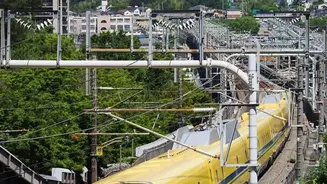
The Japan Rail (JR) Pass, once a must-buy for tourists, saw a major price hike in late 2023, diminishing its value for many itineraries. Before purchasing one, meticulously calculate the cost of your individual train journeys. Often, buying point-to-point Shinkansen (bullet train) tickets is now cheaper. For regional travel, look into more affordable highway buses, which can be booked in advance online. For getting around cities, an IC card like a Suica or Pasmo is essential for tapping on and off local trains and buses. Planning a logical route that avoids backtracking also cuts down on unnecessary transport spending.
Pre-Book Activities and Eat Smart
Many popular museums, theme parks, and observation decks offer discounts for tickets purchased online in advance. This not only saves you money but also lets you skip long queues. For food, you don't need a huge budget to eat well. Japan's convenience stores ('konbini') offer a surprisingly delicious and affordable array of meals, from sandwiches to hot bento boxes. Another pro tip is to visit the basement food halls of department stores ('depachika') an hour before closing, when many fresh items are heavily discounted. These small, daily savings can quickly add up, easily covering the cost of the departure tax and more.