


Why Fresh Remains King
In the landscape of the Indian kitchen, fresh food unequivocally wears the crown. This dominance is rooted in a deep-seated cultural preference for meals cooked from scratch, where the quality of ingredients is paramount. The daily ritual of buying vegetables
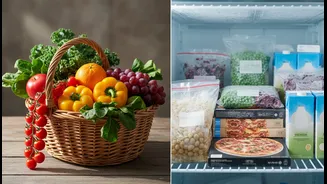
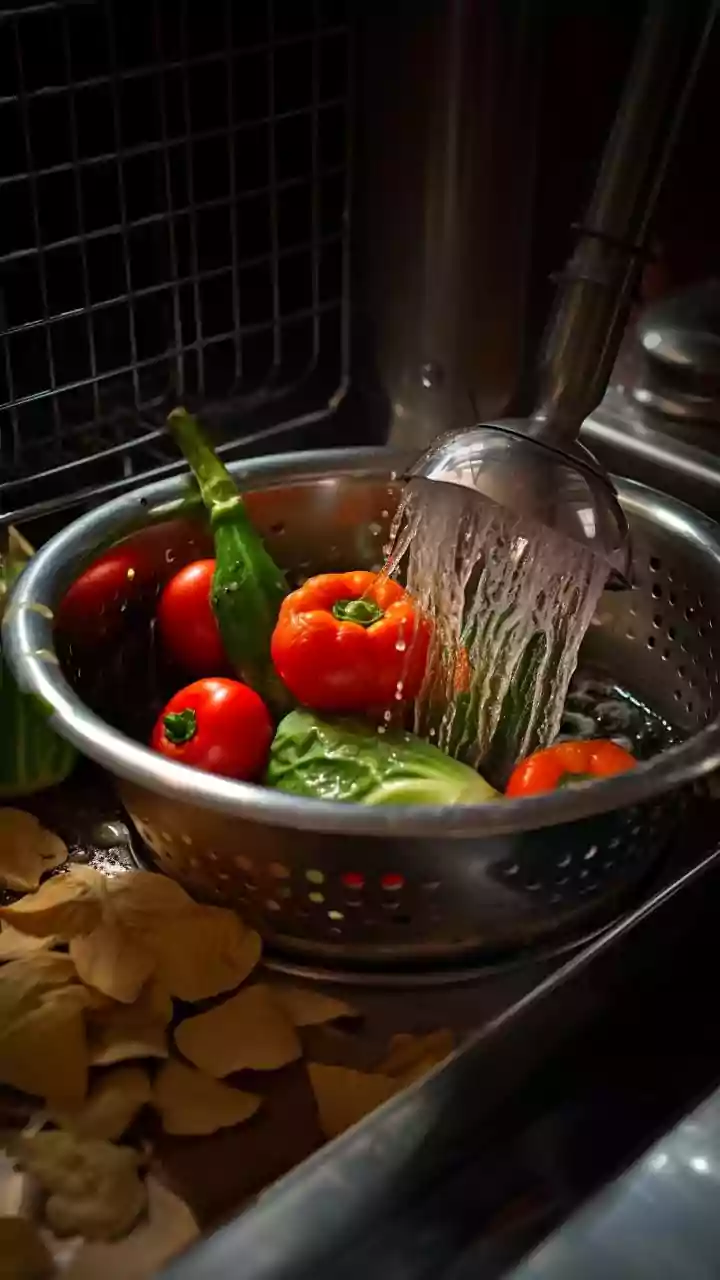
from a local mandi or street vendor is about more than just groceries; it’s a connection to freshness, flavour, and the perceived nutritional superiority of just-harvested produce. Even with the rise of digital grocery platforms, fresh produce remains a leading category in online sales, accounting for a significant share of the market. This enduring habit is supported by a vast and intricate network of local suppliers, ensuring that for millions, the freshest ingredients are always just a short walk away. The belief that fresh simply tastes better and is healthier is a powerful driver that modern convenience has yet to dislodge.
The Rise of the Convenient Freezer
While fresh food leads, the freezer aisle is no longer just for ice cream and ice cubes. Frozen foods are rapidly becoming an indispensable part of the modern Indian household, especially in urban areas. This isn't about replacing fresh ingredients but rather supplementing them. Driven by busier lifestyles, rising incomes, and the increasing number of dual-income households, the demand for convenient meal solutions has soared. The Indian frozen food market is projected to grow at a compound annual growth rate of over 12% between 2026 and 2034. The category's strength lies in ready-to-cook items like nuggets, kebabs, and momos, which offer a compromise between a fully pre-made meal and cooking from scratch. Furthermore, frozen vegetables like peas and corn, or even fruits, provide year-round access to seasonal items and help reduce food waste, offering both convenience and practicality.
Your Kitchen's Foundation: The Pantry
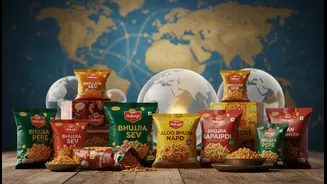
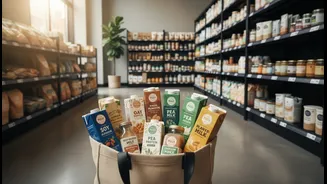
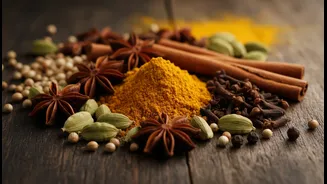
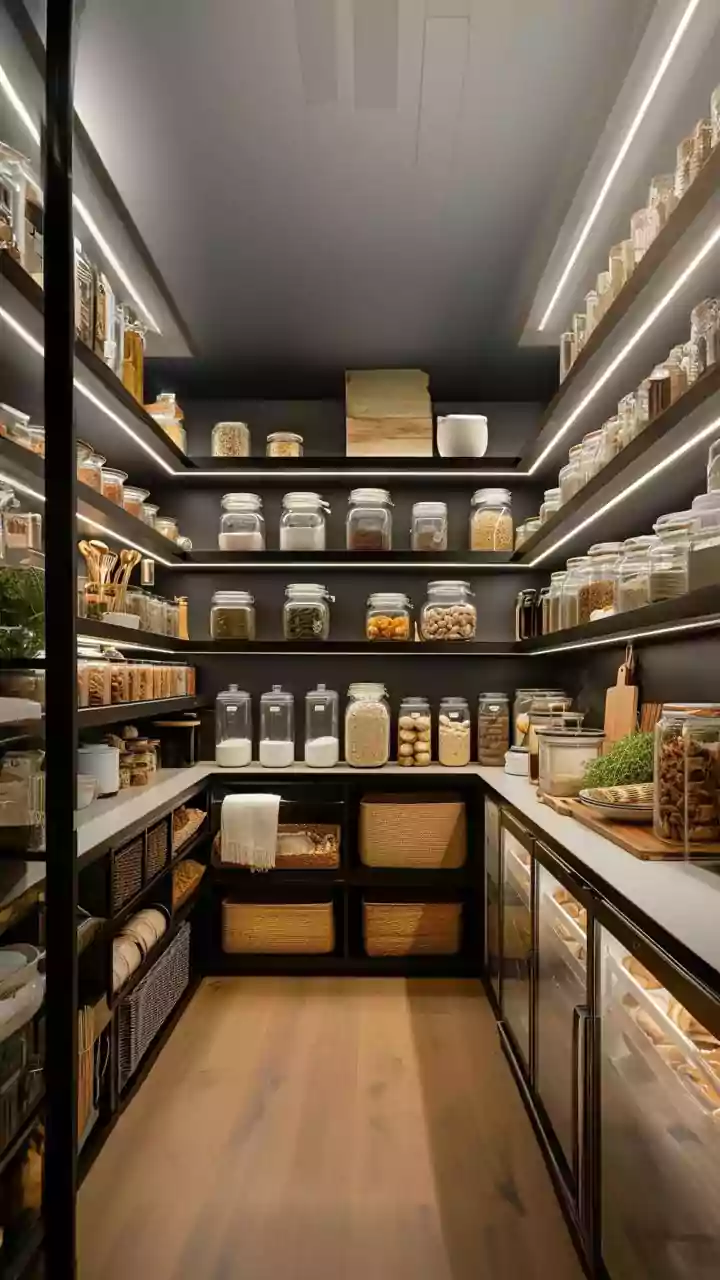
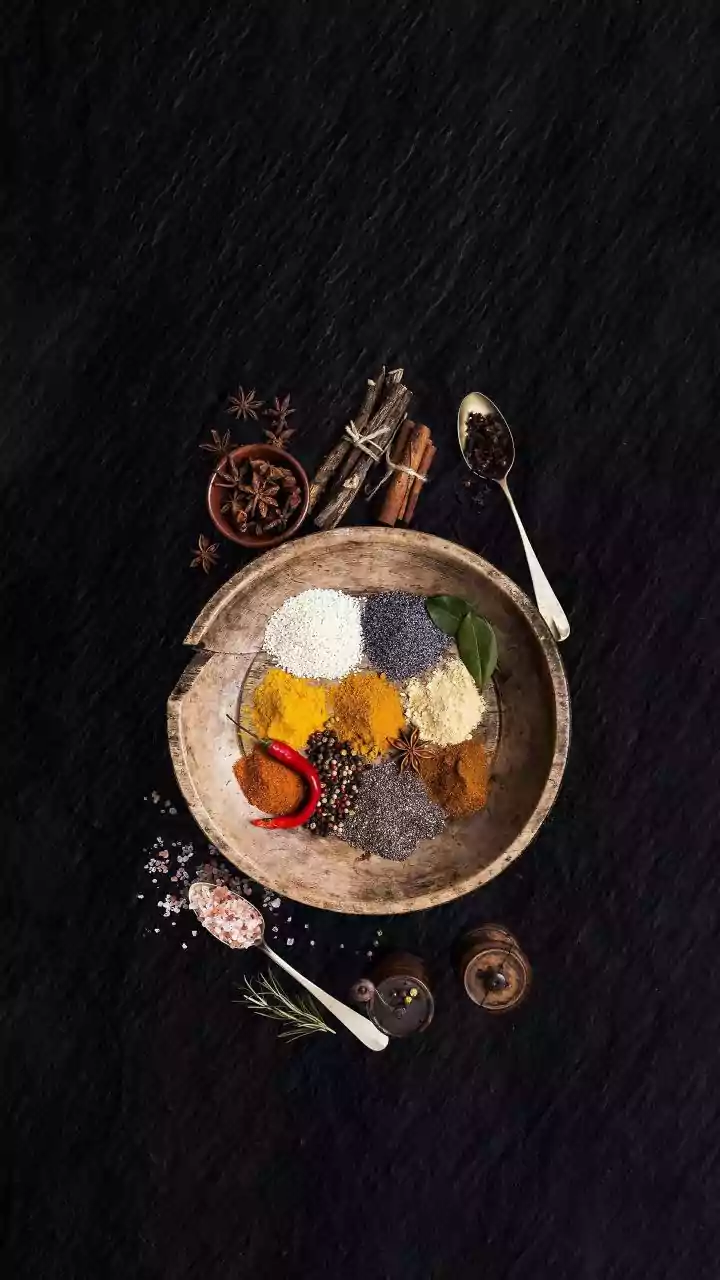
The true stability in any Indian kitchen comes from its pantry, stocked with shelf-stable staples. These are the foundational ingredients that form the bedrock of countless meals: rice, wheat flour (atta), lentils (dal), spices, and oils. This category, valued at over USD 61 billion in 2026, is the unsung hero of household food security. It offers predictability in both availability and cost. India has a rich history of food preservation, from sun-drying to pickling, all aimed at extending the life of a harvest and ensuring food is available during lean times. Today, this category has expanded to include modern conveniences like ready-to-mix masalas, sauces, and packaged meals. These items provide a reliable base, allowing for spontaneous and creative cooking without the need for a daily shopping trip for every single ingredient.
A Hybrid Strategy for the Modern Home
The contemporary Indian kitchen operates on a savvy, hybrid model that balances tradition with modern needs. The choice between fresh, frozen, and shelf-stable is rarely an either-or decision; it’s a strategic one based on time, budget, and the meal at hand. Fresh produce is for the daily dishes where its flavour and texture are non-negotiable. Frozen foods are the secret weapon for a quick, impressive snack or to add a vegetable to a dish when there's no time for the market. Shelf-stable staples ensure that a nourishing meal is always possible, regardless of what’s in the fridge. This blend allows households to manage volatile fresh food prices, reduce waste by using long-lasting alternatives, and adapt to the time constraints of urban life. It reflects a practical evolution where the goal is not to abandon tradition, but to sustain it with the help of modern innovations.