


The Ancient Power of Rajgira
Rajgira, also known as amaranth or ramdana, is often called a superfood, and for good reason. Technically a 'pseudo-cereal' rather than a grain, it has been a staple in India for centuries, especially during religious fasting periods like Navratri. Its
popularity stems from its impressive nutritional profile. Rajgira is naturally gluten-free, making it an excellent choice for those with gluten sensitivities. It is a fantastic source of plant-based protein, containing all nine essential amino acids, which is rare for plant foods. This high-quality protein, combined with a good amount of dietary fibre, helps you feel full for longer, aids in digestion, and provides sustained energy. Furthermore, it is packed with essential minerals like calcium, magnesium, and iron, which contribute to bone health and overall vitality.
The Creamy Goodness of Paneer
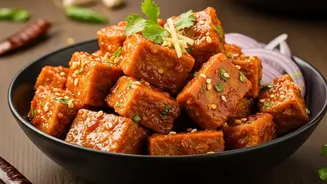
Paneer, or Indian cottage cheese, is the perfect partner for the nutty flavour of rajgira. It is a fresh, unaged cheese that provides a soft, crumbly texture to the dosa filling. More importantly, it is a powerhouse of nutrition. Paneer is celebrated for its high protein content, which is crucial for muscle repair and growth. It is also an excellent source of calcium, vital for strong bones and teeth. Unlike many other fats, the fatty acids in paneer are easily digestible. For those managing their blood sugar, paneer is a great option due to its low carbohydrate content and its ability to help regulate blood sugar levels. This combination of high protein and healthy fats makes the paneer filling both satisfying and incredibly nourishing.
Recipe: The Dosa Batter
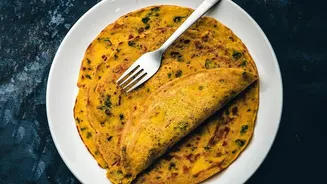
Crafting the perfect Rajgira Dosa starts with a simple, smooth batter. Unlike traditional dosas, this one requires no fermentation, making it a quick and convenient option. Ingredients: 1 cup Rajgira (amaranth) flour 1/4 cup finely chopped coriander leaves 1 green chilli, finely chopped (optional) Sendha namak (rock salt) to taste Water, as needed to make a pouring consistency batter Ghee or oil for cooking Method: In a medium-sized bowl, combine the rajgira flour, chopped coriander, green chilli, and sendha namak. Gradually add water while whisking continuously to form a smooth, lump-free batter. The consistency should be thin enough to pour and spread easily, similar to a traditional dosa batter but not watery. Let the batter rest for 10-15 minutes before you begin cooking.
Recipe: The Savoury Paneer Filling
This simple yet flavourful filling is what elevates the dosa. The soft paneer absorbs the spices beautifully, creating a delicious contrast to the crisp dosa. Ingredients: 1 cup paneer, crumbled 1 small onion, finely chopped (can be omitted for fasting) 1/2 inch ginger, grated 1/4 teaspoon turmeric powder 1/2 teaspoon garam masala powder (optional) Sendha namak (rock salt) to taste 2 tablespoons chopped coriander leaves 1 teaspoon oil or ghee Method: Heat ghee or oil in a small pan. If using, add the onions and sauté until they turn translucent. Add the grated ginger and cook for another minute. Add the crumbled paneer, turmeric powder, garam masala (if using), and salt. Mix everything well and cook for just a minute or two until the paneer is heated through. Be careful not to overcook, as paneer can become rubbery. Turn off the heat and stir in the fresh coriander leaves. Your filling is ready.
Bringing It All Together
Now for the final assembly. Heat a nonstick tawa or griddle on mediumhigh heat. Once hot, lightly grease it with ghee or oil. Stir the batter well and pour a ladleful onto the centre of the tawa. Quickly spread it outwards in a circular motion to form a thin dosa. Drizzle a little ghee around the edges and cook for a couple of minutes until the underside is golden brown and the edges begin to lift. Place a generous amount of the paneer filling along the centre of the dosa. Fold the dosa over to cover the filling. Gently press down and let it cook for another 30 seconds. Serve immediately, hot and crisp, with a side of mint or peanut chutney for a complete and satisfying meal.