


The Charm of Heritage Hostels
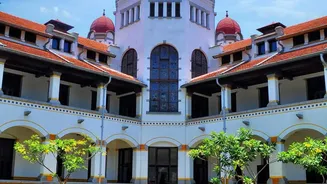
Forget sterile dorm rooms. A 'heritage hostel' in Sri Lanka is often a beautifully repurposed colonial-era bungalow, a traditional family home (walawwa), or a vintage planter's cottage, complete with verandas, gardens, and antique furniture. These places
offer more than just a cheap bed; they provide an atmospheric stay that connects you to the island's history. For Indian travellers, the cultural familiarity combined with this unique architectural flavour makes for an accessible yet distinct experience. You get the social vibe of a hostel with the soul of a historic property. Locations like Galle, Kandy, and Colombo are dotted with these gems, often run by local families who provide home-cooked meals and invaluable travel advice.
Finding and Booking Your Stay
Securing a spot in these characterful hostels requires a bit of smart searching. While major platforms like Booking.com, Hostelworld, and Agoda list many options, the key is to use specific filters and keywords. Search for terms like “colonial,” “bungalow,” or “heritage” alongside “hostel.” Read recent reviews carefully, as quality can vary. Some of the best finds are smaller, family-run establishments that may be more active on social media platforms like Instagram or can be contacted directly via WhatsApp for potential discounts. Popular and well-regarded hostels can get booked out, especially during peak season (December to March), so booking a few days in advance is wise. A dorm bed can cost as little as ₹700-₹1200 per night, while private rooms in the same properties might range from ₹1500-₹3000.
Visa and Entry: A Breeze for Indians
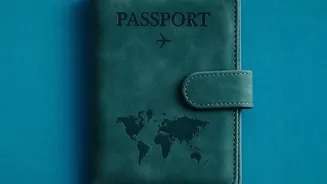
One of the biggest advantages for Indian passport holders is the simplified entry process. As of May 2026, Sri Lanka offers a free Electronic Travel Authorization (ETA) for tourists from India and several other countries. This isn't exactly 'visa-free'—you must apply for the ETA online through the official government portal before you travel. Arriving without a pre-approved ETA can lead to complications. The authorization is valid for 30 days and allows for double entry, which is perfect for a standard holiday. Always use the official government website to avoid third-party processing fees and ensure your application is handled correctly. Also, remember to fill out the mandatory online arrival card within three days of your flight.
Maximising Your Budget on the Ground
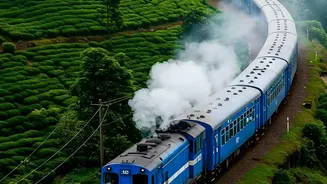
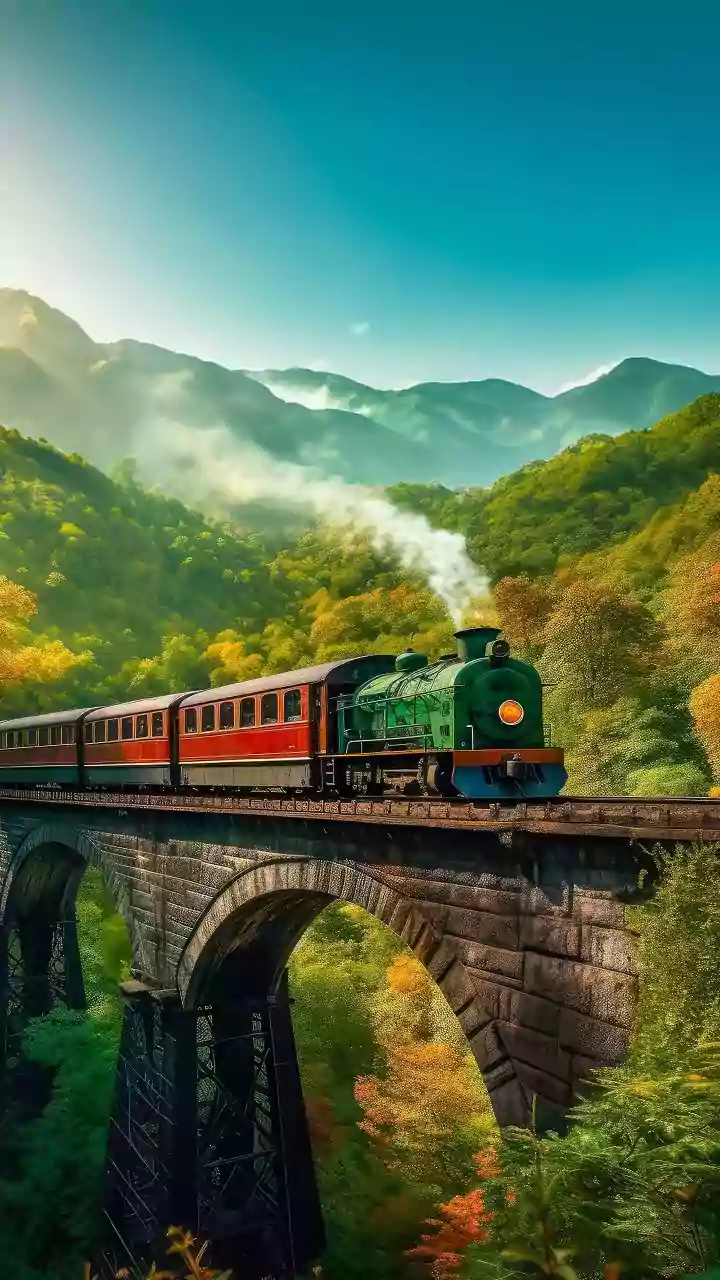
Once your stay is sorted, saving money in Sri Lanka is straightforward if you live like a local. For transport, embrace the country's extensive and incredibly cheap public bus and train network. The scenic train journey from Ella to Kandy is a must-do, and booking tickets for the reverse route (Ella to Kandy) is often easier. For food, skip the tourist-centric restaurants and head to local 'rice and curry' eateries, where a fulfilling meal can cost less than ₹200. Street food favourites like kottu roti and hoppers are both delicious and pocket-friendly. For short distances, ride-hailing apps like PickMe or Uber offer fair and fixed prices for tuk-tuks, helping you avoid negotiating fares.
Top Destinations for Heritage Stays
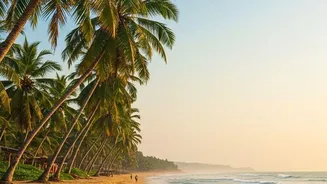
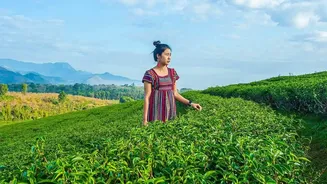
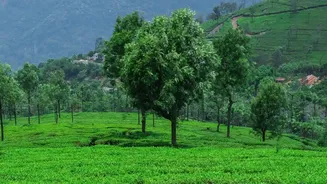
To focus your search, certain areas are particularly known for their atmospheric and budget-friendly accommodations. In Colombo, look for hostels in the Fort area for colonial architecture or near Mount Lavinia for a beachside vibe. Kandy, the cultural capital, has many guesthouses and hostels converted from traditional homes overlooking the lake. Galle Fort is a UNESCO World Heritage site where you can stay within the historic ramparts, though prices here can be slightly higher. For a cooler climate, Ella offers stays in repurposed tea planters' bungalows with stunning views of the hills. Exploring these regions allows you to experience the diverse climates and cultures of Sri Lanka while keeping your accommodation costs low.