



Often overshadowed by sodium, potassium is a vital mineral and electrolyte that powers your body in surprising ways. Understanding its role is the first step to better health, and it's easier to find than you think in everyday Indian foods.
What Exactly Is Potassium?
Potassium is
an essential mineral and one of the body's key electrolytes, meaning it carries a small electrical charge. This charge is crucial for activating various cell and nerve functions. Your body can't produce potassium on its own, so you must get it from the foods you eat. Its main job is to help maintain normal fluid levels inside our cells, working in a delicate balance with sodium, which manages fluid levels outside the cells. This balance is vital for everything from nerve communication to muscle movement.
The Engine Room of the Body
Think of potassium as a master regulator working behind the scenes. It helps your nerves fire, your muscles contract, and your heart beat regularly. Every time you move a muscle, blink, or think, potassium is involved in transmitting the necessary electrical signals. It also plays a role in moving nutrients into your cells and shuffling waste products out, keeping everything running smoothly. Without enough of it, these fundamental processes can be compromised.
Your Heart's Unsung Hero
One of potassium's most celebrated roles is in cardiovascular health, particularly in managing blood pressure. It counteracts the effects of sodium; the more potassium you consume, the more sodium you pass through urine. This helps relax the walls of your blood vessels, which in turn lowers blood pressure. For this reason, a diet rich in potassium is a cornerstone of heart-healthy eating plans like the DASH (Dietary Approaches to Stop Hypertension) diet. It may also reduce the risk of stroke.
Are You Getting Enough?
While severe deficiency is rare in healthy people, many of us don't get the recommended amount of potassium. The World Health Organization suggests adults aim for at least 3,510 mg per day. In India, the ICMR-NIN has similar recommendations. A diet high in processed foods, which are often low in potassium and high in sodium, can throw your balance off. Early signs of low potassium can be subtle, including muscle weakness, fatigue, cramps, and constipation.
Beyond the Banana
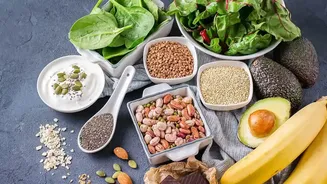
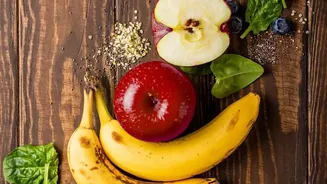
While bananas are famous for their potassium content, many other common foods are even more packed with this vital mineral. A medium banana offers a good amount, but don't stop there. Integrating a variety of potassium-rich foods is the best strategy for meeting your daily needs and reaping the full benefits for your health.
Potatoes and Sweet Potatoes (Aloo & Shakarkandi)
The humble potato is a potassium powerhouse, with one medium potato providing a significant portion of your daily needs, especially when eaten with the skin on. Sweet potatoes are another excellent source. Both are versatile, affordable, and easy to incorporate into daily meals, from simple sabzis to baked dishes.
Leafy Greens (Palak & more)
Spinach (palak) is one of the top sources of potassium you can find. Just a 100-gram serving can contribute substantially to your daily goal. Other green leafy vegetables like amaranth leaves (chaulai) are also excellent choices. Adding them to dals, rotis, or making a simple side dish is an easy way to boost your intake.
Pulses and Legumes (Dal & Rajma)
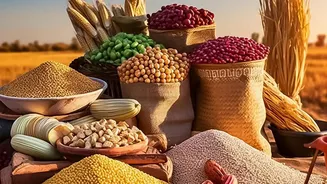
Lentils and beans are staples of the Indian diet for a good reason. Toor dal, rajma (kidney beans), soybeans, and chana are all incredibly rich in potassium. A single serving of dal or rajma can provide a hefty dose of the mineral, alongside valuable protein and fibre.
Coconut Water (Nariyal Pani)
A refreshing glass of coconut water is more than just a way to cool down; it's also brimming with electrolytes, including potassium. One glass can deliver a significant amount, making it a fantastic natural alternative to sugary sports drinks for hydration and nutrient replenishment.