







What is Breath Awareness?
Breath awareness is the simple, foundational practice of paying gentle attention to the natural rhythm of your breathing without trying to change it. It is not a breathing exercise in the sense of controlling or manipulating the breath, but rather a form
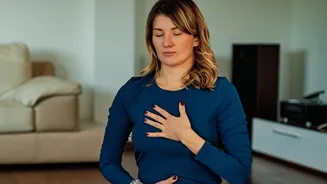
of observation. You simply notice the physical sensations: the cool air entering your nostrils, the rise and fall of your chest or belly, and the subtle pauses between each inhale and exhale. The goal is to connect with the present moment using the breath as an anchor. When your mind wanders, as it naturally will, the practice is to gently guide your focus back to the sensation of breathing without judgment.
The Science of a Simple Breath
This seemingly simple act has profound physiological effects. Focusing on your breath can activate the parasympathetic nervous system, often called the 'rest and digest' system. This activation helps counteract the body’s stress response by lowering heart rate, reducing blood pressure, and decreasing levels of the stress hormone cortisol. Research shows that even short periods of conscious breathing can trigger a relaxation response, helping to alleviate feelings of anxiety and promote a sense of calm. By consciously tuning into this automatic process, you gain a powerful tool to regulate your physical and emotional state.
Understanding 'Quiet Attention'
Quiet attention is a state of focused, non-judgmental awareness. It's the mental space you cultivate when you practice breath awareness. Think of it as turning down the volume on the constant internal chatter and external distractions. Instead of getting caught up in thoughts about the past or future, you intentionally focus on the present moment. Quiet attention isn't about forcing your mind to be empty; it's about calmly acknowledging thoughts and feelings as they arise and then letting them pass without getting entangled. The breath serves as the perfect anchor for this practice—it's always with you, providing a steady point of focus to return to whenever you feel distracted.
Benefits for Your Mind and Body
The consistent practice of breath awareness offers a wide range of benefits. Mentally, it has been shown to improve focus, boost working memory, and enhance cognitive flexibility. Emotionally, it's a powerful tool for managing symptoms of anxiety and depression by promoting emotional regulation. Physically, the benefits are just as compelling. Beyond immediate stress reduction, these practices can lead to improved sleep quality, better digestion, a stronger immune system, and even a reduction in chronic pain and muscle tension by promoting deep relaxation.
A Simple 5-Minute Practice to Start
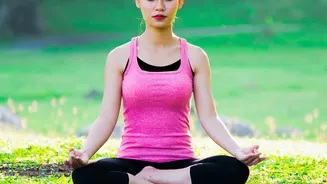
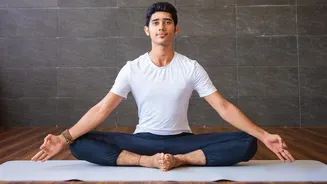
You can do this practice anywhere. All you need is a few minutes and a willingness to be present.1. Find a comfortable position: Sit in a chair with your feet flat on the floor or lie down on your back. Let your hands rest in a comfortable position.2. Gently close your eyes: If you prefer, you can keep them open with a soft, unfocused gaze.3. Turn your attention to your breath: Don't try to change anything. Just notice your natural breathing pattern.4. Observe the sensations: Feel the air as it moves in and out of your nose. Notice your abdomen or chest rising and falling with each breath.5. Acknowledge wandering thoughts: When your mind drifts to a thought, a sound, or a sensation, gently acknowledge it and then guide your attention back to your breath. The act of returning is the core of the practice.Continue for five minutes. When you're done, take a moment to notice how you feel before slowly opening your eyes.
How to Make It a Daily Habit
Consistency is more important than duration. Start small, with just a few minutes each day. You could 'piggyback' this new habit onto an existing one, such as practicing for a few minutes right after you wake up, before a meal, or as you get into bed. You can also use 'in-between' moments during your day—while waiting for a file to download, standing in a queue, or before starting your car. These mini-sessions, or 'mindful moments', help integrate this practice into your life, making it a reliable tool you can turn to whenever you need to find a sense of calm and clarity amidst the chaos.