








The Rise of the 'Body Double'
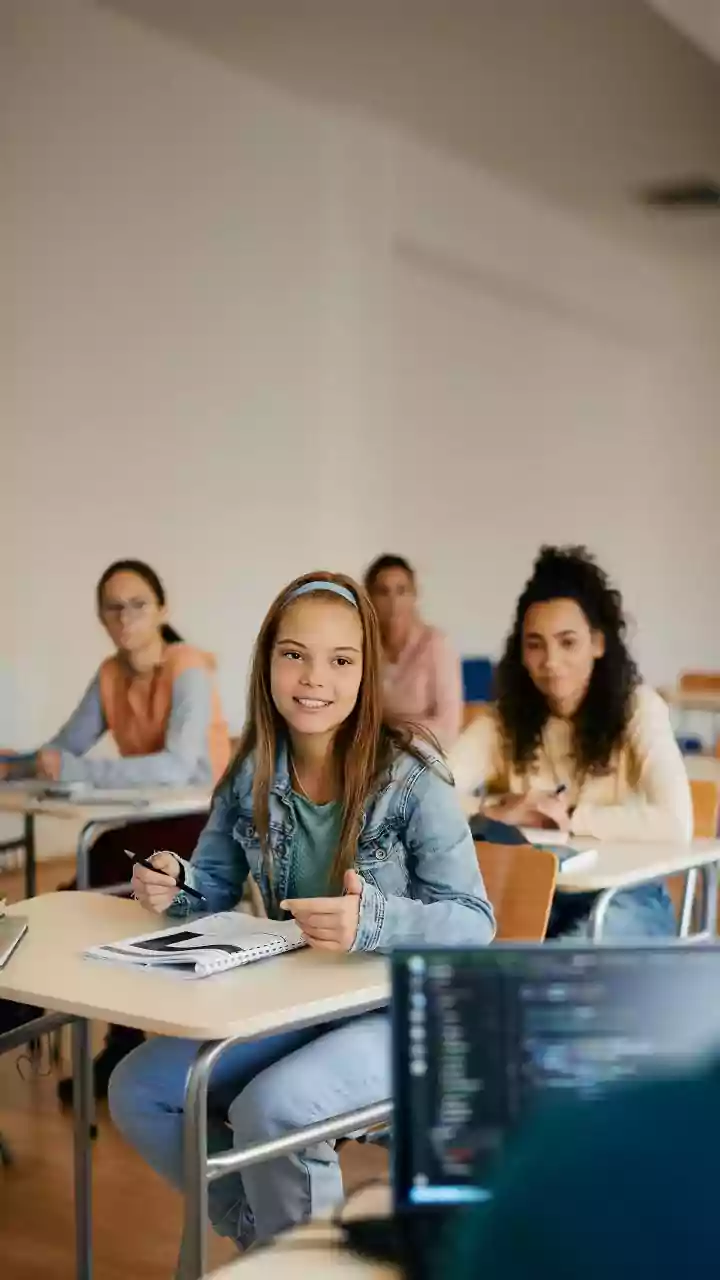
The new study habit gaining significant traction among students is known as “body doubling” or “parallel working.” At its core, it’s the simple practice of working on a task with another person present, either physically or virtually. This isn't a collaborative
project or a traditional study group where members discuss coursework. Instead, the 'body double' is merely a silent partner in productivity. The two individuals might be working on completely different things—one might be coding while the other writes an essay. The key is the shared, quiet presence, which acts as a powerful anchor for focus. This trend has exploded in the digital realm, with students using platforms like Zoom, Discord, or even live-streaming apps to create virtual study sessions with friends, classmates, or even strangers.
The Psychology of Shared Presence
So, why does having someone simply 'be there' make such a difference? The effectiveness of body doubling lies in basic psychology. Firstly, it creates a gentle sense of accountability. The subtle social pressure of being observed—even passively—can be a powerful motivator to stay on task and resist the urge to procrastinate or get sidetracked by a phone notification. Secondly, it leverages a concept known as social facilitation, where the presence of others can enhance performance on simple or well-practiced tasks. For students struggling with executive functions like initiating tasks, the presence of a 'double' can provide the necessary external structure to get started. This technique has been particularly noted for its benefits for individuals with ADHD, but its universal appeal suggests it taps into a broader human need for connection and mirrored behaviour to regulate focus.
From Lonely Laptops to Virtual Libraries
The rise of virtual body doubling is a direct response to the increasing isolation of digital learning. Especially in the wake of the pandemic, which shifted much of student life online, many have sought ways to recreate the camaraderie and focus of a shared physical space like a library or a coffee shop. Virtual study groups and body doubling sessions fill this void. Platforms like Discord allow students to create persistent communities where they can hop into a voice or video channel to work in parallel. Some popular YouTube channels and TikTok creators host 'Study With Me' live streams, where thousands of students can tune in and use the creator as their virtual body double, fostering a sense of collective purpose. In India, where Gen Z is highly engaged in digital ecosystems like YouTube, this trend finds fertile ground.
Is It a Miracle Cure for Procrastination?
While many students swear by body doubling, it's not a universal solution. For some, the presence of another person, even a virtual one, can be more distracting than helpful. The success of the technique often depends on finding the right 'double'—someone whose presence is calming and grounding rather than intrusive. There's also the risk of the session turning into a social call, defeating its purpose. To be effective, ground rules are often necessary, such as muting microphones and agreeing on specific work intervals, like the Pomodoro Technique. Experts note that while anecdotal evidence is strong, formal research on body doubling is still limited. However, it’s viewed as a practical strategy that externalizes motivation and helps create a structured environment for focus.