




The Purpose of an August Trim
Late summer pruning is less about a major haircut and more about thoughtful shaping and maintenance. The primary goal is to redirect a plant's energy. By removing spent flowers and unnecessary growth, you encourage plants to either produce a final flush
of autumn blooms or to start storing energy for the winter ahead. In India, where monsoon humidity can lead to fungal issues, this is also a critical time to improve air circulation within dense foliage. A well-timed trim now removes dead, damaged, or diseased wood, tidies up overgrown shrubs, and ensures your garden transitions smoothly into the next season, looking neat and feeling healthy.
Checklist Item 1: Focus on the Right Plants
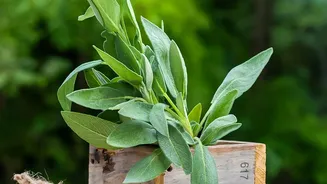
Not every plant benefits from an August pruning, so knowing which to target is key. This is the ideal time for a light prune on many summer-flowering shrubs and climbers. Roses, for instance, respond well to deadheading and the removal of weak stems, which can encourage more flowers before the season ends. Vigorous climbers like Bougainvillea and Wisteria can be tamed by cutting back the long, whippy shoots they produced during the summer, which helps control their size and encourages better flowering next year. Many perennials that have finished their first bloom, such as Salvia and Lavender, can be cut back to encourage a second, more compact flush of growth and flowers. However, avoid heavy pruning on trees and shrubs that set their buds for next year's bloom during this time.
Checklist Item 2: Adapt to Your Regional Climate
India's diverse climate zones mean a one-size-fits-all approach to pruning won't work. In regions experiencing heavy and prolonged monsoon rains, the focus should be on health and damage prevention. Pruning during a dry spell between showers is ideal to prevent fungal infections from entering fresh cuts. In these humid areas, thinning out dense canopies is crucial for airflow. In contrast, in drier or more temperate parts of the country where the monsoon has been lighter, pruning can help plants conserve energy. For any region, it’s vital to ensure plants are not water-stressed before you prune them; a trim can add extra stress to a thirsty plant. Pruning just as the heaviest rains subside allows plants to recover and put on a flush of healthy growth in the post-monsoon period.
Checklist Item 3: Assess the Current Growth
Before you make a single cut, take a close look at the plant's current state. Your first priority should always be the three 'D's: Dead, Damaged, and Diseased wood. These branches should be removed completely, as they serve no purpose and can be a gateway for pests and disease. Next, look for branches that are crossing or rubbing against each other, as this can create wounds and weaken the plant structure. Once you have cleaned up the plant, you can move on to shaping. For flowering plants, this includes 'deadheading,' which is the simple act of snipping off spent blooms. For overgrown shrubs, identify the long, unruly shoots that are spoiling the plant's shape and trim them back to encourage bushier growth from the base.
Essential Tools and Techniques
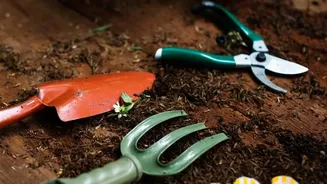
Using the right tools makes pruning easier and healthier for the plant. A sharp, clean pair of secateurs (hand pruners) is essential for most jobs. For thicker branches, you may need loppers or a small pruning saw. Always ensure your tools are disinfected, especially when moving between plants or after cutting diseased wood, to avoid spreading pathogens. When you make a cut, aim for a clean snip just above a node—the point on a stem where a leaf or new shoot emerges. A cut made at a slight angle will help water run off the surface, which is particularly important in damp, post-monsoon weather to prevent rot. Remember the general rule: never remove more than one-third of the plant's total mass at one time, as this can send it into shock.