




Why Bigger Is Better in a Small Space
It seems logical to fill a small room with small furniture and decor, but this can often result in a cluttered, busy feel. A collection of tiny frames can create what designers call “visual noise.” In contrast, a single, oversized piece of art does the
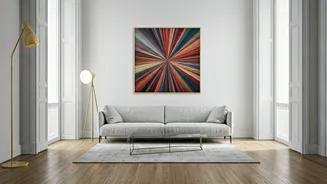
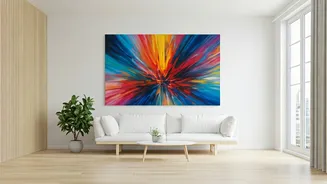
opposite. It creates a clear, dramatic focal point, which anchors the room and draws the eye. This trick of the eye can make a wall, and by extension the entire room, feel larger and more cohesive. Instead of your gaze jumping between many small objects, it rests on one significant statement, which gives the space a sense of calm and order. An oversized piece simplifies the walls, reducing the need for other decorations and helping the room appear more organised.
The Psychology of Scale and Illusion
Using large art in a small space is a clever play on scale and proportion. Scale refers to how the size of one object relates to the size of the room and the other objects within it. By introducing a piece that is deliberately large for the space, you manipulate this relationship. A large landscape or an airy abstract piece can create an illusion of depth, making a flat wall feel like a window into another world. This is especially effective with vertical pieces, which can draw the eye upward and create the feeling of higher ceilings, or horizontal works that make a narrow room feel wider. This visual sleight of hand stops you from noticing how close the walls are and instead absorbs you in the artwork.
How to Choose Your Statement Piece
Choosing the right piece is crucial. It’s not just about size, but about style and colour. For maximum expansive effect, look for art with light, airy colours or pieces that feature a lot of negative (empty) space. This can help brighten the room and make it feel more open. However, don't be afraid of bold or moody art; with good lighting, a dramatic piece can add sophistication. Abstract art often works well because its lack of a defined narrative or subject allows it to blend with decor without overwhelming it. Ultimately, the art should reflect your personality. It’s an opportunity to make a bold statement about who you are.
The Rules of Placement
Where you hang your showstopper makes all the difference. A common mistake is hanging art too high. The rule of thumb is to hang a piece so its centre is roughly at eye level, about 57 to 60 inches from the floor. When placing art above furniture like a sofa or headboard, it should span about two-thirds of the furniture's width and hang 4 to 6 inches above it. This creates a visual connection and makes the arrangement feel balanced and intentional, rather than disconnected. This grouping of furniture and art should feel like a single, cohesive unit.
Create Balance by Keeping It Simple
Because a large piece of art commands so much attention, it's important to let it be the star. Keep the rest of the room's decor relatively simple and uncluttered to maintain balance. If the artwork is vibrant and colourful, consider neutral tones for the surrounding furniture and textiles. This avoids visual competition and allows the art to have maximum impact. By restraining the impulse to fill every corner, you give the statement piece the breathing room it needs to truly shine and define the space.
Finding Large Art on a Small Budget
The idea of “big artwork” can sound expensive, but it doesn't have to be. High-quality prints and posters are affordable options that can provide the same impact as an original canvas. Online marketplaces like Etsy and specialized retailers offer a vast selection of oversized art at accessible prices. For a budget-friendly option, look for high-resolution digital downloads from museum collections that you can have printed yourself. You can also get creative with DIY projects, using fabric, tapestries, or even a shower curtain to create a unique, large-scale wall hanging.