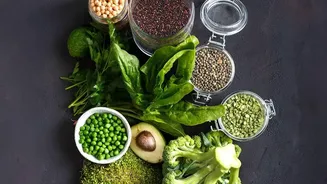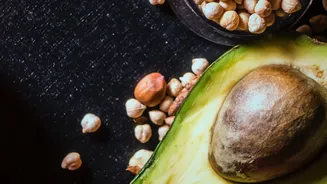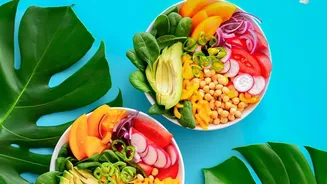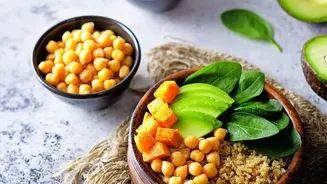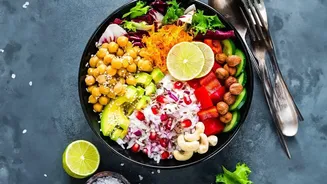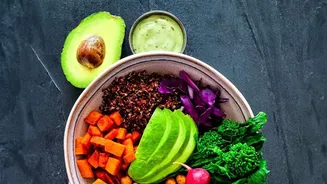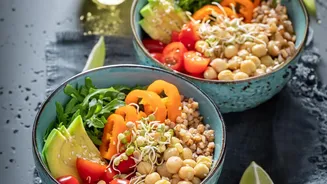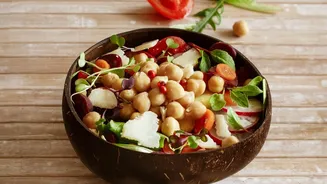


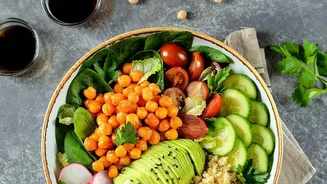

Chickpeas and avocados are stars of the modern healthy diet, appearing everywhere from salads to toast. While both are celebrated for their benefits, they are not interchangeable. Understanding their unique nutritional jobs is key to building a truly
balanced meal.
Chickpeas: The Plant-Protein Workhorse
Think of the chickpea, or garbanzo bean, as the sturdy foundation of your meal. Its primary role is to provide plant-based protein and complex carbohydrates. A single cup of cooked chickpeas delivers around 15 grams of protein, essential for muscle repair, and a significant amount of dietary fibre. This combination of protein and fibre is a powerhouse for satiety, the feeling of fullness and satisfaction that helps prevent overeating. The carbohydrates in chickpeas are slow-digesting, meaning they provide sustained energy without the sharp blood sugar spikes associated with refined starches. They are also a notable source of minerals like iron, crucial for energy, and manganese, which supports bone health.
Avocado: The Healthy Fat Hero
If the chickpea is the workhorse, the avocado is the rich, creamy provider of healthy fats. The vast majority of fat in an avocado is monounsaturated fat, a heart-healthy fat that can help lower 'bad' LDL cholesterol levels. Avocados are also packed with vitamins and minerals, containing nearly 20 in total. They are an excellent source of potassium, which is vital for managing blood pressure, and contain more of it per gram than a banana. Furthermore, avocados provide fat-soluble vitamins like Vitamin E and K, and antioxidants such as lutein and zeaxanthin, which are important for eye and skin health.
A Tale of Two Macronutrients
The fundamental difference lies in their macronutrient profiles. Chickpeas are protein-and-carbohydrate dominant, with their calories primarily coming from these two sources. They are relatively low in fat. Avocados, on the other hand, are fat-dominant, with about 75% of their calories derived from fat, mostly the healthy monounsaturated kind. They contain very little protein and a moderate amount of carbohydrates, most of which is fibre. So, while both are nutrient-dense, they serve distinct purposes: chickpeas offer the building blocks (protein) and fuel (carbs), while avocados provide essential fatty acids and help with the absorption of certain vitamins.
Why They Work Better Together
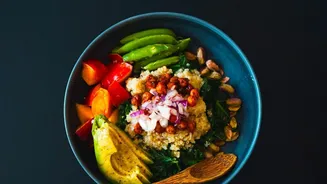
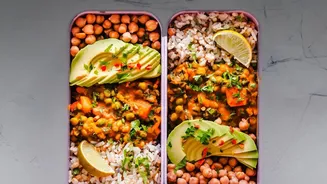
Pairing chickpeas and avocados isn't just a culinary win; it's a nutritional masterstroke. The protein and fibre from the chickpeas, when combined with the healthy fats from the avocado, create a meal that is exceptionally satiating. This powerful trio slows down digestion, leading to a more gradual release of energy and keeping you feeling full for hours. This can help with weight management and blood sugar control. Moreover, the fats in the avocado act as a 'nutrient booster'. They help your body absorb fat_soluble vitamins—like vitamins A, D, E, and K—from the entire meal. So, the avocado in your chickpea salad is actually helping you get more out of the other vegetables on your plate.