








An Unforgiving Monsoon Season
The 2026 monsoon season is proving to be particularly active across India. The India Meteorological Department (IMD) has issued numerous warnings for heavy to extremely heavy rainfall in several regions. States in the north, including Himachal Pradesh
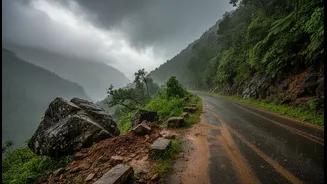
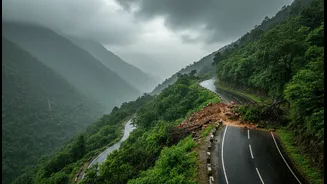
and Uttarakhand, are on alert for landslides and flash floods, which have already caused road closures. In the west, Mumbai and other parts of Maharashtra and Gujarat have experienced significant disruptions, with waterlogging affecting rail services and causing flight delays. The south, including Kerala and Karnataka, and the northeast are also seeing widespread heavy rain. The IMD forecasts that these active monsoon conditions, with thunderstorms and strong winds, will continue, making it crucial for travellers to stay informed and cautious.
Before You Go: Check, Plan, and Pack
Spontaneity is a joy of travel, but the monsoon demands careful planning. Before setting out, your first step should be to consult the latest weather forecasts from reliable sources like the IMD. Pay close attention to colour-coded alerts (red, orange, yellow) for your destination and the routes you plan to take. These warnings can indicate the potential for everything from traffic snarls to serious dangers like flash floods. Consider booking flights and hotels with flexible cancellation policies, as last-minute changes are common. Some regions, particularly hilly areas like Himachal Pradesh, Uttarakhand, and parts of the Western Ghats, are highly prone to landslides during this season, making them riskier choices. If your travel is essential, build buffer time into your itinerary to account for inevitable delays.
Essential Monsoon Packing List
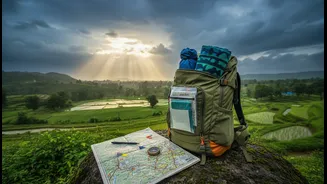
Packing correctly can make the difference between a miserable trip and a manageable one. Prioritise function over fashion. A reliable waterproof jacket and sturdy, waterproof footwear with good grip are non-negotiable. Opt for quick-drying synthetic fabrics over cotton. To protect your valuables, use a waterproof backpack or a rain cover, and keep electronics, travel documents, and cash in sealed ziplock bags. A power bank is essential, as power cuts can be frequent during heavy rains. Also, pack a basic first-aid kit that includes mosquito repellent to guard against insect-borne diseases, which are more common in the monsoon, along with any personal medications.
Navigating Road, Rail, and Air Travel
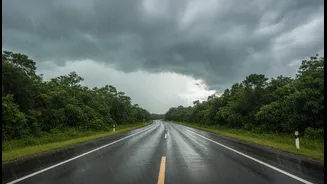
Transport networks are often the first casualty of heavy rains. Major highways like the Mumbai-Pune Expressway and roads in Himalayan states have recently faced closures due to landslides. If you must drive, do so with extreme caution, avoid waterlogged streets, and never attempt to cross fast-flowing streams. Train services, particularly in Mumbai and other coastal areas, frequently experience delays and cancellations due to flooded tracks. Similarly, air travel is subject to disruption. Heavy rain and low visibility have led to flight delays, diversions, and cancellations at major airports like Mumbai. Always check the status of your flight or train before heading out and follow advisories issued by airlines and railways.
Staying Safe and Healthy on Your Trip
Once at your destination, a few precautions can help ensure your trip remains safe and enjoyable. Be extremely cautious about food and water. Stick to boiled or filtered water and eat at clean, reputable establishments to avoid water-borne diseases like cholera and typhoid. Avoid street food that may have been exposed to contaminated water. During heavy downpours, it's wise to stay indoors and avoid sightseeing. Never venture near overflowing rivers or beaches with high tides, as currents can be treacherous. Keep emergency numbers handy and ensure your phone is always charged. By staying alert and informed, you can navigate the challenges of the monsoon and still appreciate the unique beauty it brings to the Indian landscape.