






The Rise of the Stargazer
Astrotourism, or travel for the purpose of stargazing, is a rapidly growing niche in the global travel industry, expected to become a market worth over $4.5 billion by 2034. It attracts travellers who are weary of crowded destinations and seek unique,
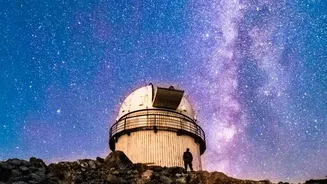
meaningful experiences. These tourists travel to remote locations with minimal light pollution to witness the full glory of the cosmos—the Milky Way, distant galaxies, and meteor showers. Regions like Himachal Pradesh, with their high altitudes, clear atmospheric conditions, and sparse populations, are naturally perfect for this. The cold, dry air of places like the Spiti Valley and Lahaul provides an exceptionally clear window to the universe, making them prime destinations for both amateur enthusiasts and serious astrophotographers.
From Dark Skies to Bright Futures
The true magic of astrotourism in Himachal lies not just in the sky, but on the ground. For small, remote villages, this trend represents a powerful and sustainable economic opportunity. Capitalizing on their natural asset of darkness, these communities are developing a new model of tourism that is both low-impact and high-value. In July 2025, a landmark initiative was launched in Kaza, Spiti Valley, to formally promote astro-tourism. The state government, in collaboration with scientific bodies like the Himachal Pradesh Council for Science, Technology & Environment (HIMCOSTE), began distributing high-end computerized telescopes to local entrepreneurs. This enables villagers to offer guided night-sky observation sessions, turning a natural spectacle into a source of livelihood.
A Community-Led Cosmic Enterprise
This isn't a top-down corporate venture; it's a community-centric movement. The focus is on empowering local youth and homestay owners to become the primary stakeholders. In villages like Sissu in Lahaul and Kaza, Langza, and Rangrik in Spiti, residents are receiving training to become astro-guides. They are learning to operate telescopes, identify constellations, and share celestial stories with visitors. This approach ensures that the economic benefits flow directly into the community. Homestay owners are integrating stargazing sessions into their offerings, creating a holistic experience for tourists that combines local hospitality with cosmic wonder. This model not only creates jobs but also fosters a sense of pride and ownership, ensuring the preservation of both cultural heritage and the natural environment.
Preserving the Precious Darkness
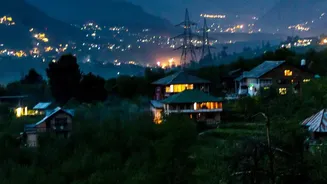
The success of astrotourism hinges on one crucial factor: keeping the skies dark. While not yet an officially certified International Dark-Sky Reserve like Hanle in Ladakh, areas in Spiti are being developed with this goal in mind. The initiatives involve more than just tourism; they are also about conservation. The government and local bodies are working to manage light pollution by encouraging the use of shielded, warm-hued lights and even providing thick curtains to households to minimize light spillage. This conscious effort to preserve darkness is vital for the long-term viability of both scientific observation and tourism. It's a delicate balance—welcoming visitors while ensuring that the very resource they come for is not degraded by development. As Himachal positions itself as a premier dark-sky destination, this commitment to responsible tourism will be its guiding star.