


What You'll See in the Sky
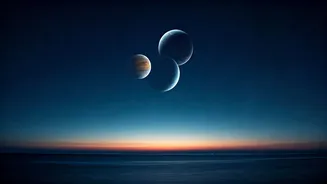
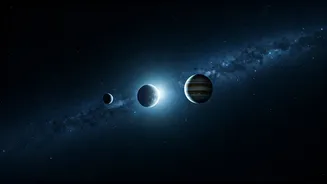
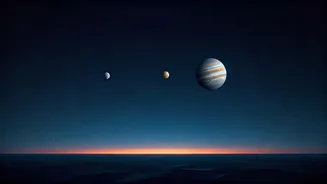
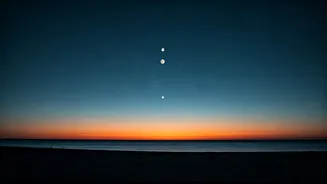
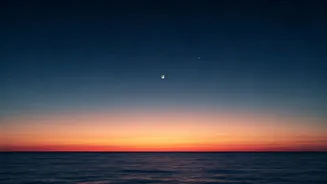
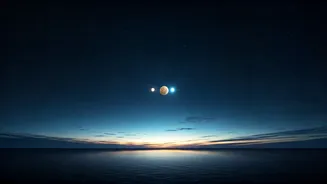
Tonight, three planets will appear strikingly close to one another in the sky just after the sun goes down. This isn't a physical collision, of course, but a beautiful line-of-sight phenomenon from our perspective here on Earth. The planets involved are
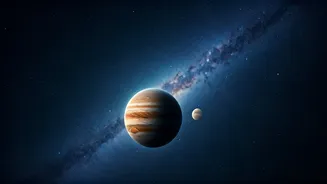
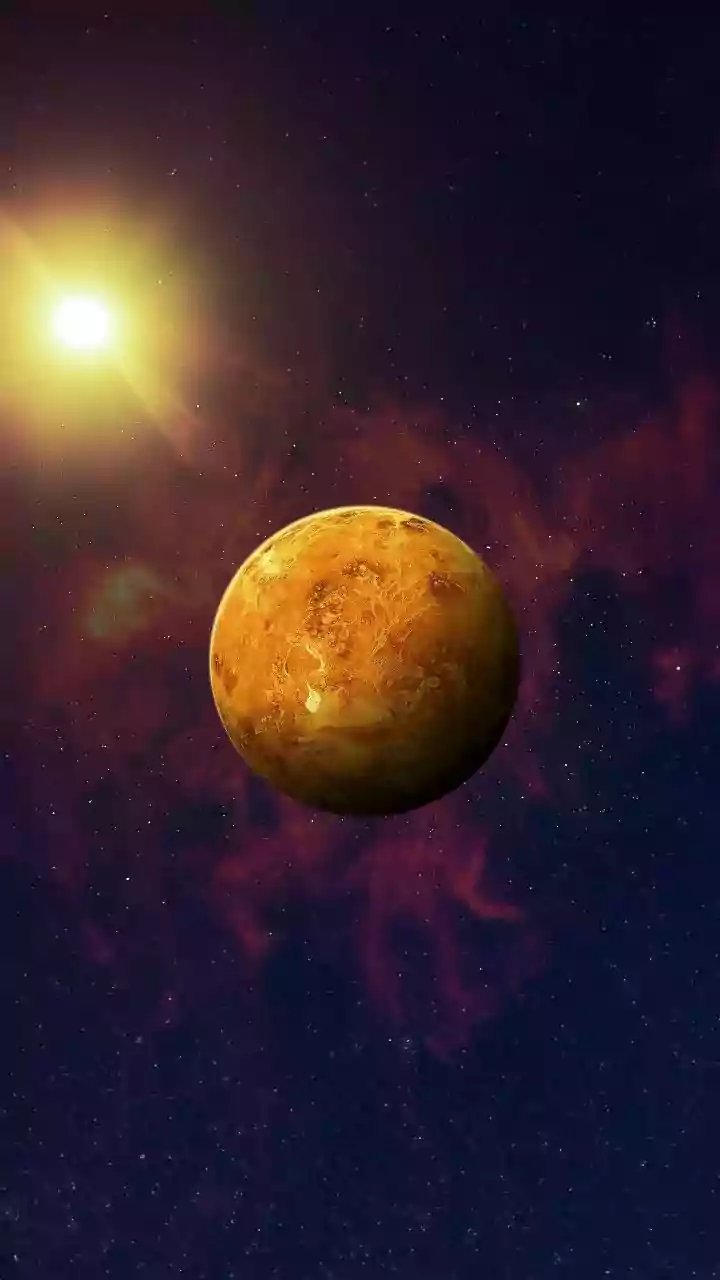
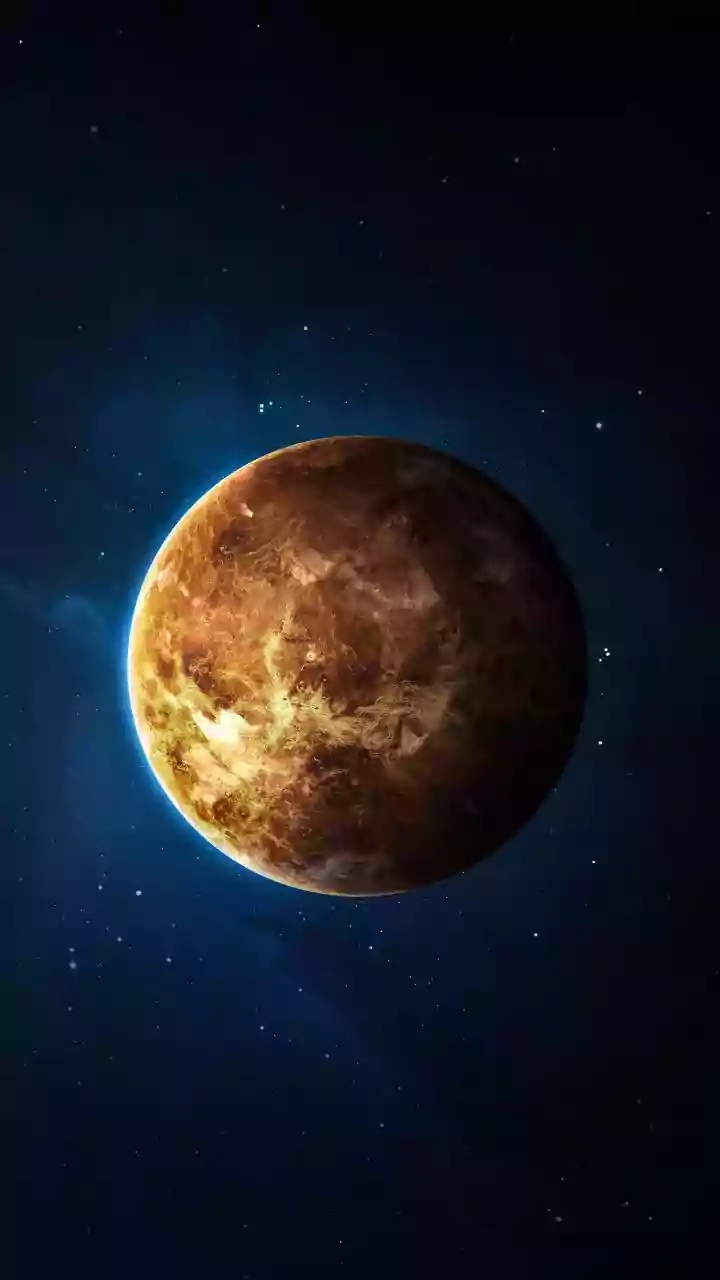
Venus, Jupiter, and Mercury. Venus will be the easiest to spot; it's the brightest object in the evening sky after the Moon, often called the 'Evening Star'. Jupiter, the largest planet in our solar system, will also shine brightly, though not as brilliantly as Venus. The real challenge, and the prize for keen-eyed observers, is Mercury. As the closest planet to the Sun, it’s often lost in the solar glare and is only visible for a short window during twilight.
When and Where to Look
Timing is everything for this celestial event. The best time to start looking is about 30 to 45 minutes after sunset. You’ll need to face the western horizon—the same direction where the sun just set. Because the planets are low on the horizon, they will follow the sun and set shortly after, giving you a relatively brief window of about an hour to enjoy the show. As twilight deepens, the planets will become more prominent against the darkening sky, but don't wait too long, or they will have dipped below the horizon. Check your local sunset time and set a reminder to head outside shortly after.
A Step-by-Step Viewing Guide
You don't need a fancy telescope to enjoy this alignment. Here’s how to spot the trio: 1. **Find an Unobstructed View:** Your biggest challenge will be the horizon. Find a spot with a clear, low view to the west, free from tall buildings, trees, or hills. A rooftop, a balcony facing west, or an open field is ideal. 2. **Spot Venus First:** As the sky begins to dim, scan the western horizon for a piercingly bright, non-twinkling point of light. That’s Venus. You can't miss it. It will act as your anchor point for finding the others. 3. **Locate Jupiter:** Look near Venus, and you should be able to see another bright, steady light. This will be Jupiter. It will be noticeably dimmer than Venus but still one of the brightest objects in that part of the sky. 4. **Hunt for Mercury:** This is the trickiest part. Mercury will be the faintest of the three and positioned very close to the horizon, potentially still in the glow of sunset. Look for a small, star-like point of light near the brighter planets. This is where a pair of binoculars can be a huge help. Scan the area around Venus and Jupiter slowly with binoculars, and you might just catch Mercury before it disappears.
Tips for the Best Experience
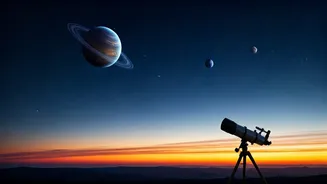
To make the most of this cosmic spectacle, a little preparation goes a long way. First, give your eyes time to adjust to the darkness. Step away from bright lights and your phone screen for at least 10-15 minutes before you start observing. This will significantly improve your ability to see fainter objects like Mercury. If you have binoculars, bring them! They will not only make it easier to spot Mercury but will also offer a stunning view of Jupiter’s own moons, which can appear as tiny pinpricks of light flanking the giant planet. Finally, consider using a stargazing app on your phone. Apps like Stellarium or SkyView can use your phone's camera and GPS to show you exactly where to look for each planet in real-time. Just be sure to switch the app to its red-light 'night mode' to preserve your night vision.
Why This Moment is Special
While planetary alignments aren't astronomically rare, seeing three planets—especially the elusive Mercury—clustered together in the evening twilight is a truly beautiful and noteworthy event. It’s a powerful reminder of the dynamic, clockwork nature of our solar system. For centuries, humans have looked up at these 'wandering stars' and felt a sense of wonder. Tonight’s alignment offers a direct and accessible connection to that long tradition. It’s a perfect opportunity to step outside, take a break from the everyday, and appreciate a grand cosmic dance happening hundreds of millions of kilometres away.