







Your Body's Master Clock
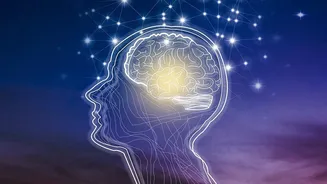
Deep inside your brain is a master clock known as the suprachiasmatic nucleus (SCN). This tiny cluster of cells orchestrates your circadian rhythm, the 24-hour cycle that governs when you feel alert and when you feel sleepy. This rhythm isn't just about
sleep; it influences hormones, digestion, and body temperature. For this clock to work properly, it needs strong cues from the outside world, and the most powerful cue of all is light. When your lifestyle is out of sync with this natural light-dark cycle, your internal clock gets confused, leading to the erratic sleep patterns that can leave you feeling drained and out of sorts.
The Power of Morning Sunlight
Think of morning sunlight as the key that turns on your body's engine for the day. When bright, natural light hits your eyes shortly after waking, it sends a powerful signal to your brain to stop producing melatonin, the hormone that makes you feel sleepy. Simultaneously, it triggers the release of cortisol, a hormone that promotes alertness and energy. This hormonal shift effectively sets your 24-hour clock, making you feel more awake during the day and, crucially, preparing you to feel tired at the right time in the evening. Studies show that even 20-30 minutes of morning sun exposure can significantly improve sleep quality and help you fall asleep more easily at night. You don't need to stare at the sun; just being outside or sitting by a bright window is enough to get the benefits.
Why Darkness Is Your Friend at Night
Just as light signals 'wake up', darkness signals 'wind down'. As evening approaches and light fades, your brain gets the message to start producing melatonin. This gradual rise in melatonin is what helps you feel progressively sleepier, preparing your body for a night of restorative rest. However, our modern world is filled with artificial light that can disrupt this vital process. The blue light emitted from smartphones, tablets, TVs, and even bright room lighting can trick your brain into thinking it's still daytime, suppressing melatonin production and making it harder to fall asleep. This is why creating a dark environment is a non-negotiable part of healthy sleep hygiene.
Crafting Your Perfect Sleep Sanctuary
To harness the sleep-inducing power of darkness, your goal is to make your bedroom as close to pitch-black as possible. Blackout curtains are highly effective at blocking intrusive light from streetlamps or passing cars. If curtains aren't an option, a simple but effective sleep mask can work wonders. It's also critical to address light sources within the room. Turn off all electronics, cover glowing charging lights, and consider moving your phone to another room to charge. A popular rule is to avoid screens for at least 30-60 minutes before bed to allow your melatonin levels to rise naturally. This screen-free time gives your brain the clear signal it needs to transition into sleep mode.
A Simple Routine to Reset Your Rhythm
Tackling erratic sleep is about consistency. Start by establishing a fixed wake-up time, even on weekends. Within the first hour of waking, expose yourself to natural morning light for at least 20 minutes. Have your morning tea on the balcony, take a short walk, or just sit by an open window. In the evening, begin dimming the lights in your home an hour or two before your intended bedtime. Establish a relaxing, screen-free wind-down routine. By bookending your day with these powerful natural cues—bright light in the morning and deep darkness at night—you provide your body with the clear, consistent signals it needs to restore a healthy, predictable sleep pattern.