




What Is Sound, Really?
At its core, sound is a form of energy created by vibrations. When you pluck a guitar string or clap your hands, you're causing an object to vibrate rapidly. These vibrations disturb the particles of a surrounding medium—like air, water, or a solid object—causing
them to bump into their neighbours. This creates a chain reaction, a wave of compressions and rarefactions that travels outwards from the source. Think of it like a line of dominoes falling one after another; each domino doesn't travel the whole distance, but it passes the energy along. This travelling wave of energy is what our ears detect and our brains interpret as sound. The key takeaway is that sound is a mechanical wave, meaning it absolutely needs a substance, or medium, to travel through.
The Vast Emptiness of Space
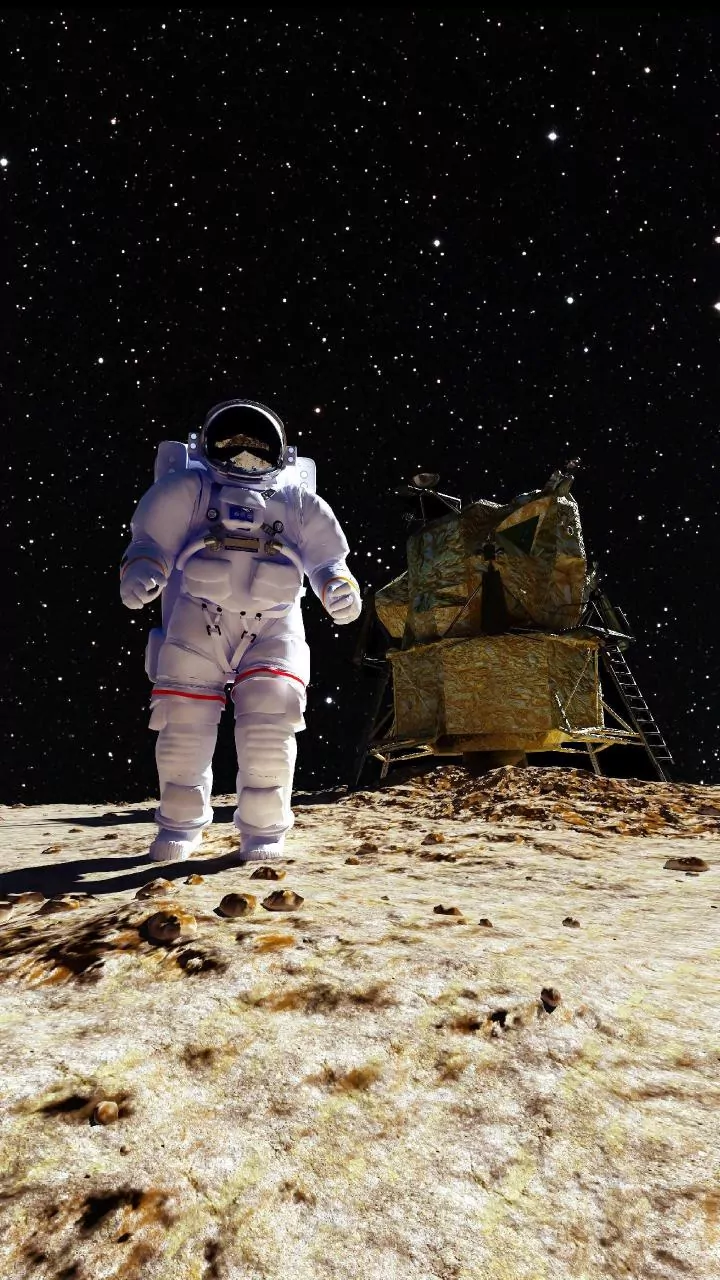
The popular tagline from the movie "Alien"—"In space, no one can hear you scream"—is scientifically accurate. This is because outer space is what's known as a vacuum. A vacuum is a space devoid of matter. While we often imagine space as being completely empty, it's more accurately described as a near-perfect vacuum. It isn't entirely devoid of particles; interstellar space, for instance, has about one hydrogen atom per cubic centimetre. But compare that to the air we breathe, which contains about 10 quintillion molecules in the same volume. The particles in space are so incredibly spread out that they are too far apart to collide and effectively transmit sound vibrations. For sound to travel, it needs particles that can bump into each other, and in the vastness of space, there simply aren't enough of them close together.
Why Hollywood Gets It Wrong (And That's Okay)
If space is silent, then why do we hear thunderous explosions and roaring starship engines in science fiction films? The answer is simple: drama. A silent starship battle would feel strange and anticlimactic to an audience accustomed to associating loud noises with powerful events. Filmmakers make a creative choice to add sound effects to create a more immersive and exciting experience. Without the visceral boom of an exploding Death Star, the moment wouldn't have the same impact. While scientifically inaccurate, these sounds serve a narrative purpose, translating the visual spectacle into an audible one that resonates with our earthbound expectations of how a massive explosion should sound.
So, How Do Scientists 'Hear' the Universe?
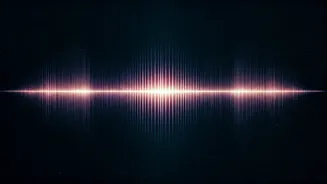
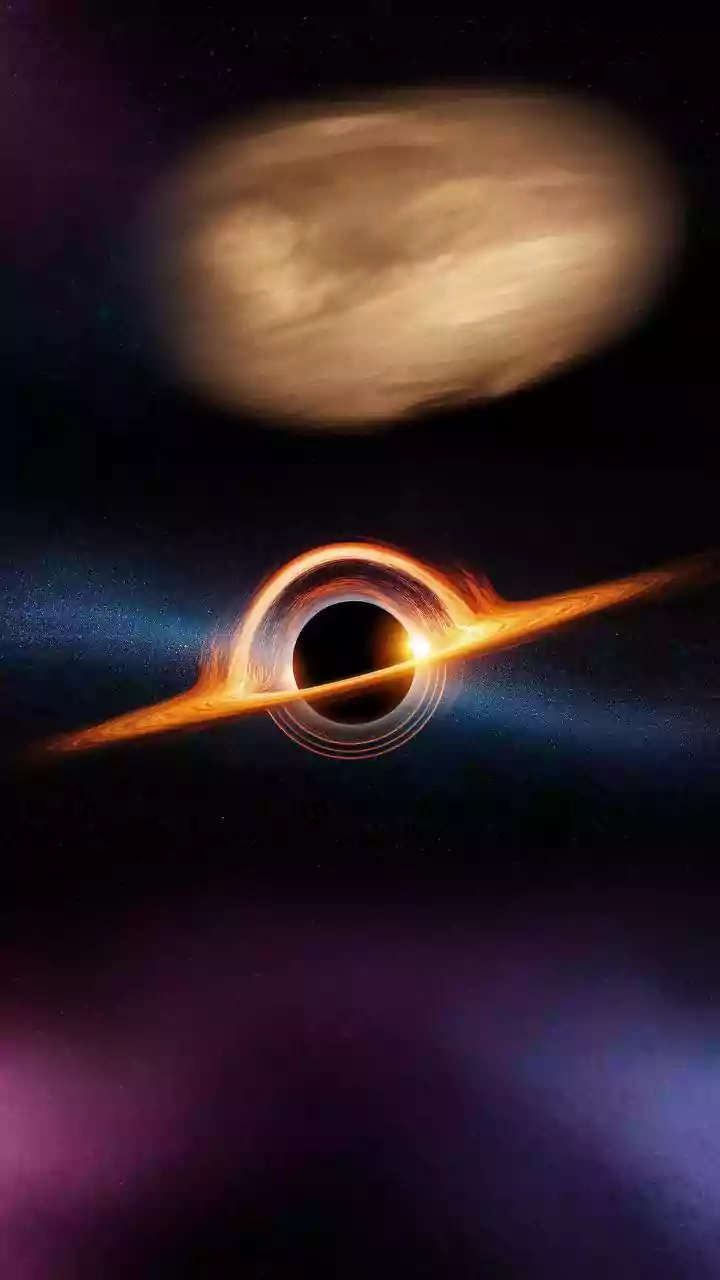
Just because sound waves as we know them can't travel through space doesn't mean the universe is without its own forms of communication. Cosmic events are not detected by listening for audio, but by observing other types of waves that *can* travel through a vacuum. Electromagnetic radiation—which includes everything from radio waves to visible light and X-rays—travels perfectly through the void. This is how telescopes allow us to "see" distant galaxies. Furthermore, cataclysmic events like the collision of black holes create ripples in the very fabric of spacetime called gravitational waves. Scientists at observatories like LIGO can detect these waves and, through a process called data sonification, translate them into audible frequencies. NASA has used this technique to create eerie, low-frequency sounds from the plasma surrounding a black hole, giving us a way to 'hear' phenomena that are otherwise silent to human ears.