




Delhi's World-Class Driverless Metro
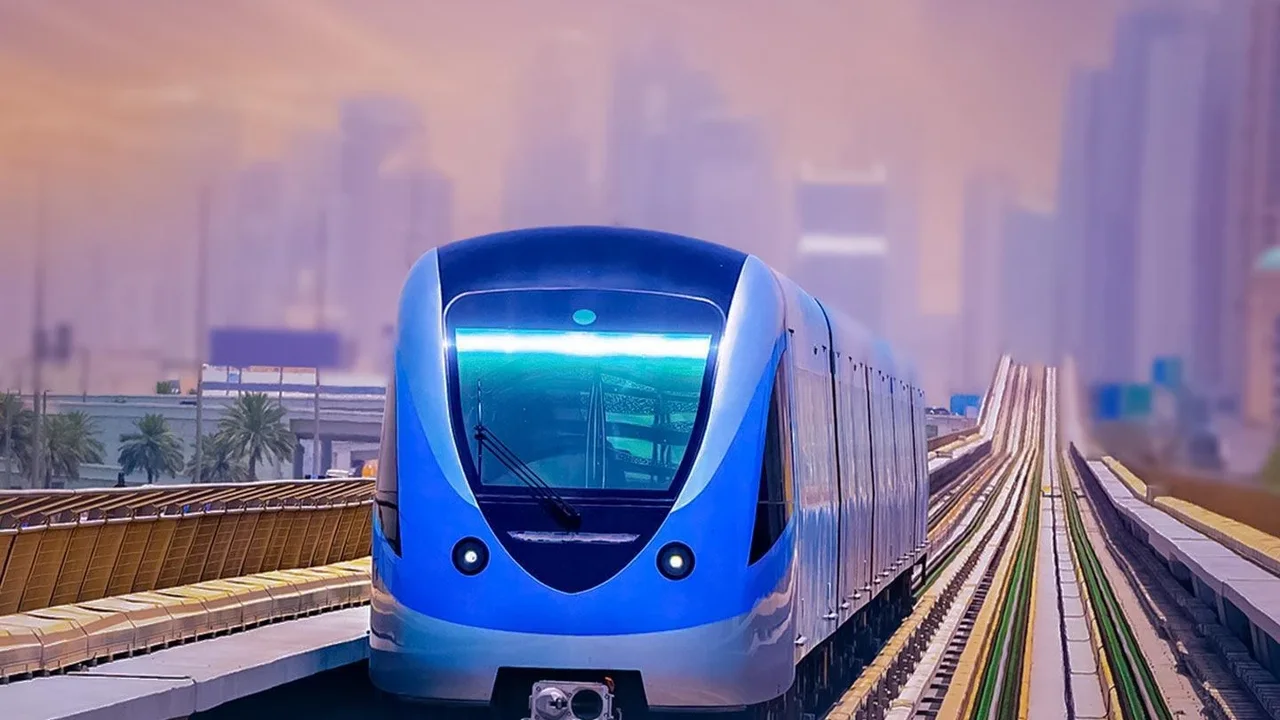
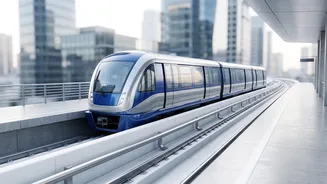
The Delhi Metro Rail Corporation (DMRC) has quietly established itself as a global leader in urban autonomous travel. On November 2, 2026, its driverless trains on the Magenta and Pink lines carried a record 1.6 million passengers. This staggering figure
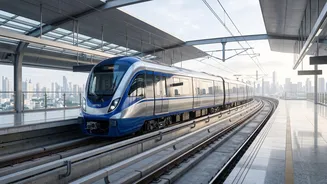
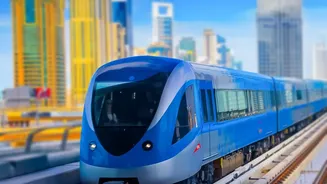
accounted for one in every five commuters across the entire Delhi Metro network that day. These Unattended Train Operations (UTO), first launched in December 2020, now span 120 kilometres, making up nearly a third of the capital's metro network. The system is a showcase of Grade of Automation 4 (GoA4) technology, where trains run entirely automatically without any staff on board, enhancing service frequency and reliability while reducing the scope for human error. This success has been so pronounced that DMRC's leadership is now encouraging other Indian cities with metro projects to adopt the driverless model.
A Tale of Two Technologies
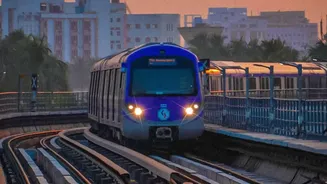
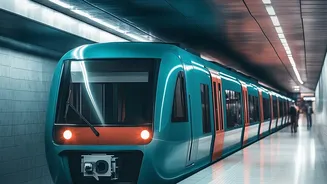
The success in Delhi prompts a natural question: when will the rest of India get driverless transport? The answer reveals a sharp divide between two very different types of autonomous technology. On one hand, you have closed-loop systems like metros. These operate on dedicated tracks with no cross-traffic, pedestrians, or unexpected obstacles. This controlled environment is ideal for automation, and its adoption is growing. Following Delhi's lead, cities like Bengaluru, Chennai, Mumbai, and Kolkata are already integrating or planning driverless operations for their own metro lines. On the other hand, you have open-road vehicles like cars, buses, and trucks. Navigating India's chaotic, unpredictable public roads is a far more complex challenge, involving countless variables from stray animals to erratic driving habits. Here, the government's stance is not just cautious, but actively prohibitive.
The Big Red Light for Driverless Cars
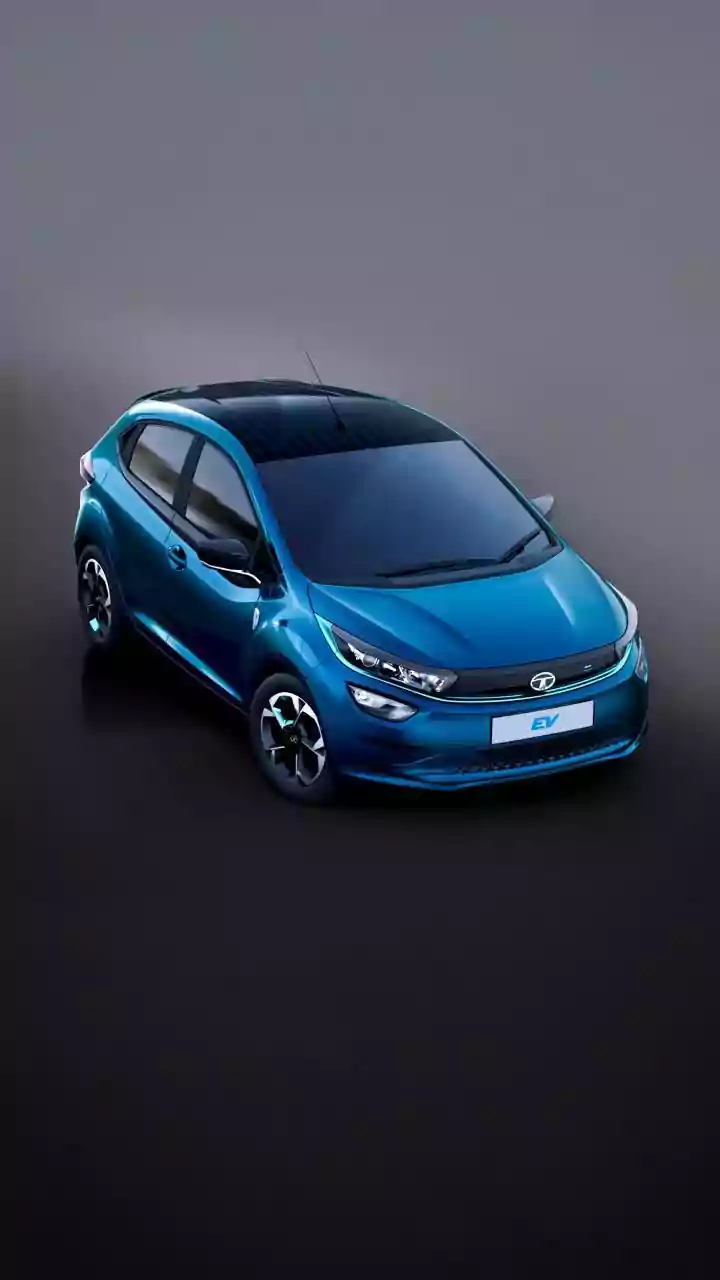
For years, Union Minister for Road Transport and Highways, Nitin Gadkari, has been unequivocal: fully driverless cars will not be permitted in India. His reasoning is primarily economic and social, not technological. He has repeatedly stated that introducing technology that would eliminate the jobs of millions of professional drivers is a non-starter for the government. In a country with a significant driver workforce, the concern is that mass automation in transport would lead to widespread unemployment. This policy creates a clear barrier for companies looking to introduce Level 4 or Level 5 autonomous vehicles, where the car handles all driving functions. While some companies are testing autonomous tech, they are largely confined to controlled environments like factory campuses, mining sites, or tech parks—not public highways.
The Green Light for Driver Assistance
However, the government's opposition to fully driverless cars does not mean it is against all vehicle automation. In fact, it is actively encouraging the adoption of Advanced Driver-Assistance Systems (ADAS). These technologies, classified as Level 2 automation, do not replace the driver but support them. Features like autonomous emergency braking, adaptive cruise control, and lane-keeping assist are becoming more common in Indian cars. Recognizing their potential to improve road safety, the government has recently eased regulations, removing licensing requirements for certain radio frequencies used by automotive radar systems. This move is designed to make it cheaper and easier for manufacturers to include ADAS features, aligning India with global safety standards and helping to reduce the country's high rate of road accidents. The goal is to make drivers safer, not to make them obsolete.
The Road Ahead
India's approach to autonomous technology is a pragmatic balancing act. In the controlled, contained world of metro rail, it is embracing the future, with Delhi's success serving as a blueprint for other cities. But on the open road, the socio-economic impact takes precedence. The official policy prioritizes preserving jobs over pioneering a driverless car revolution. Even with the job concerns in metro systems, DMRC has managed to avoid layoffs by redeploying train operators to roles in station management and crowd control. This suggests a potential model, but scaling it to the millions of drivers in the wider transport sector is a different challenge altogether. For the foreseeable future, India's driverless journey will continue on two separate tracks: full speed ahead underground, and a firm hand on the wheel above it.