



Why Humidity Is a Cramp's Best Friend
When you exercise in high humidity, your sweat doesn't evaporate from your skin as efficiently. Your body's natural cooling system works overtime, causing you to sweat even more in an attempt to regulate your core temperature. This excessive sweating
leads to a significant loss of not just water, but also essential minerals known as electrolytes. Electrolytes—like sodium, potassium, magnesium, and calcium—are crucial for nerve signalling and muscle contractions. When these levels drop too low due to dehydration, the communication between your nerves and muscles can get scrambled, leading to involuntary, painful cramps.
Coconut Water: Nature's Sports Drink?
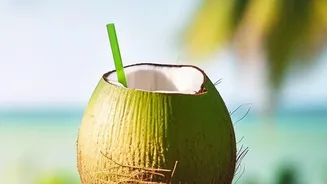
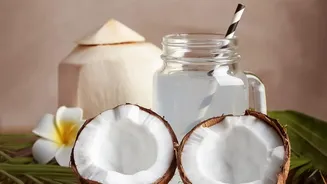
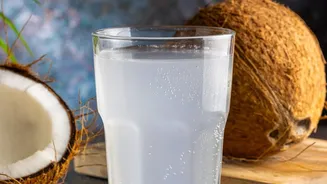
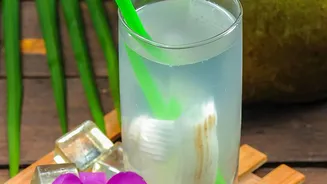
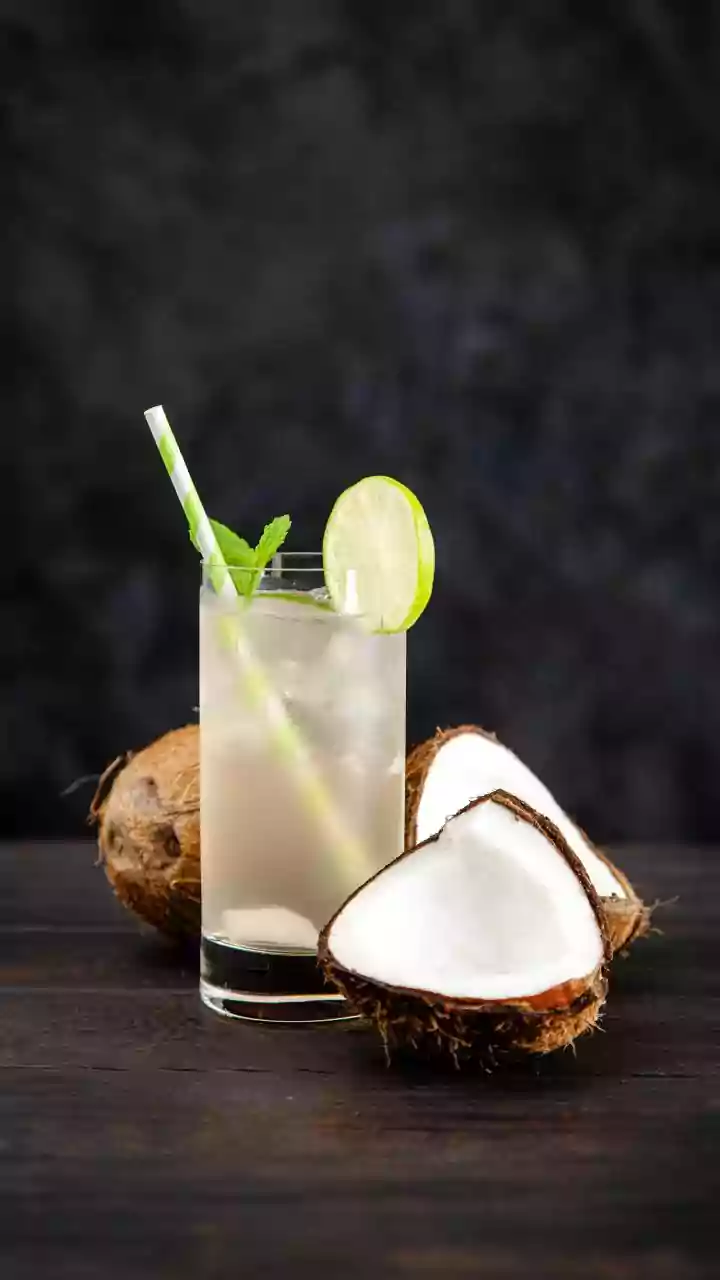
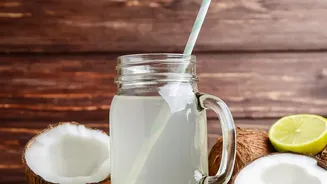
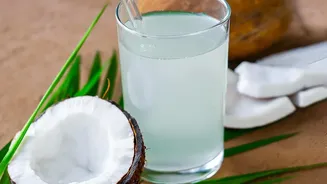
This is where coconut water enters the conversation. Hailed as a natural powerhouse, it is an excellent source of electrolytes, particularly potassium, which is vital for muscle function. It also contains other key minerals like magnesium, calcium, and some sodium. Studies have suggested that rehydrating with an electrolyte-rich beverage like coconut water after intense exercise can make you less susceptible to muscle cramps compared to plain water. However, it's not a silver bullet. While rich in potassium, coconut water is naturally lower in sodium than most commercially formulated sports drinks. Sodium is the primary electrolyte you lose through sweat, so for prolonged, intense activity, coconut water alone might not be sufficient to replenish everything you've lost.
The Contenders: Sports Drinks vs. Plain Water
So how does coconut water stack up against other options? Plain water is essential for hydration but does nothing to replace the electrolytes you sweat out. In fact, drinking excessive amounts of plain water can further dilute your body's electrolyte concentration. On the other end of the spectrum, sports drinks are scientifically formulated to provide a precise dose of sodium and carbohydrates designed for rapid absorption during intense exercise. The downside is that they are often high in added sugars and artificial ingredients. For light to moderate activity, coconut water is a fantastic, natural alternative. For endurance athletes or those in extremely hot conditions, a traditional sports drink may have an edge due to its higher sodium content.
DIY Electrolyte Elixirs at Home
You don't have to rely solely on store-bought options. It's incredibly easy to make your own effective electrolyte drink at home. A simple and popular recipe involves combining a large glass of water with a generous squeeze of lemon or lime juice (for potassium and taste), a small pinch of sea salt (for sodium and trace minerals), and a teaspoon of honey or jaggery. The small amount of sugar doesn't just add flavour; it also helps your body absorb the fluids and electrolytes more efficiently.
Don't Just Drink Your Electrolytes
Your diet plays a massive role in maintaining electrolyte balance. You can support your hydration strategy by eating mineral-rich foods throughout the day. Bananas, sweet potatoes, and avocados are famously packed with potassium. Dairy products like yogurt are great sources of calcium. For a magnesium boost, turn to pumpkin seeds, spinach, and even dark chocolate. Salted nuts and seeds can help you top up your sodium levels naturally. By incorporating these foods into your regular meals, you create a stronger baseline of electrolyte reserves.
Timing Your Hydration for Peak Performance
Finally, when you hydrate is just as important as what you drink. Don't wait until you feel thirsty; by then, you're already on your way to being dehydrated. Aim to start any physical activity well-hydrated by drinking water and electrolytes in the hours leading up to it. During your workout, take small, consistent sips every 15-20 minutes. Afterwards, focus on rehydrating fully to replace all the fluids and minerals you lost, which will aid recovery and help prevent post-exercise soreness and cramping.