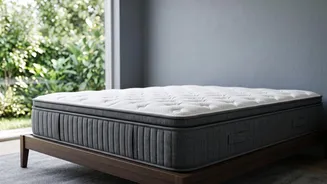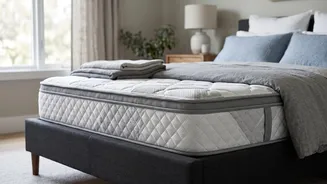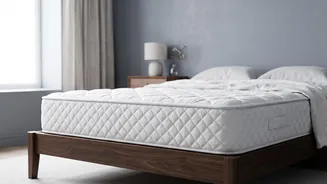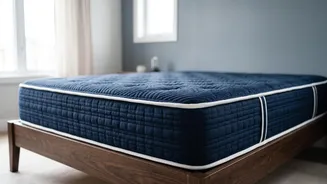







Understand the Springs
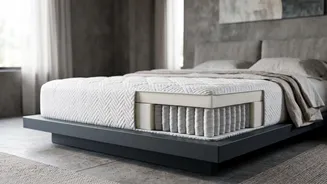
Before you test, it helps to know what’s inside. Spring mattresses generally fall into two categories. Traditional innerspring (or Bonnell coil) mattresses have interconnected coils, creating a bouncy and often firmer feel. Because the springs are linked,
movement can transfer across the bed. The second type is a pocket spring mattress, where individual coils are wrapped in their own fabric pockets. This allows them to move independently, offering more targeted support and reducing motion transfer, which is a great feature for couples. Hybrids combine a spring base with comfort layers of foam or latex on top. Knowing this helps you understand why two mattresses might feel completely different.
Prepare for Your Showroom Visit
A successful mattress test starts before you even leave the house. First, identify your primary sleeping position—whether you're a side, back, or stomach sleeper will determine the level of firmness you need. Side sleepers often need a softer surface to cushion shoulders and hips, while back and stomach sleepers typically require a firmer base for spinal alignment. Wear comfortable, loose-fitting clothes to the store. It might seem minor, but tight jeans or a belt can prevent you from getting a true feel for the mattress. If you can, bring your own pillow; it plays a huge role in your overall alignment and comfort. Finally, plan to spend at least 45 to 60 minutes at the store to avoid rushing a decision that will affect your sleep for years.
The 15-Minute In-Store Test
Pressing a mattress with your hand or sitting on the edge tells you almost nothing about how it will perform overnight. To properly test a mattress, you need to lie down for at least 10 to 15 minutes. It might feel awkward, but it's essential for your muscles to relax and for you to notice how the mattress responds to your body. Start by lying in your usual sleeping position for several minutes. Then, try other positions. Roll from one side to the other; it should be easy to move, not feel like you're stuck in quicksand. If you share a bed, test it with your partner to check for motion isolation—have them roll over and get in and out of bed to see how much movement you feel. Lastly, sit on the edge to test its support; a sturdy edge gives you more usable surface area.
Decode What You're Feeling
During your test, pay close attention to three key factors. The first is spinal alignment. When lying on your side, your spine should be relatively straight. If you're on your back, you should be able to slide a hand under the small of your back with little resistance; a large gap means it's too firm, while no gap suggests it's too soft. Second, notice any pressure points, particularly at your shoulders and hips. If these areas feel uncomfortable after a few minutes, the mattress isn't distributing your weight evenly. Third, distinguish between firmness and support. Firmness is the initial feel of the top layers, while support is how the core coil system keeps your body aligned. A mattress can feel soft on top but still be very supportive underneath.
Leverage the Home Trial Period
No in_store test can perfectly replicate a full night's sleep. This is why the at_home trial period is one of the most important features to ask about before you buy. Many online and brick_and_mortar retailers offer a trial, allowing you to sleep on the mattress for several weeks or months to be certain it's right for you. Your body needs time to adjust to a new surface, so don't make a final judgment after just one or two nights. Experts suggest giving it at least 30 nights to get a true sense of comfort and support. Keep track of how you feel each morning. If you consistently wake up with aches or pains after the initial adjustment period, it's a clear sign to use the return or exchange policy.