



Sabudana Khichdi
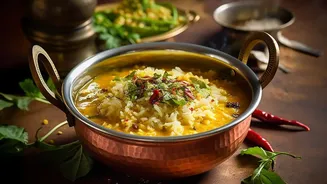
Perhaps the most iconic fasting dish, Sabudana Khichdi is a staple for a reason. Made from soaked tapioca pearls, this light yet filling preparation provides a quick source of energy. It's a gluten-free dish tossed with roasted peanuts, boiled potato
chunks, green chillies, and cumin seeds, all cooked in ghee. The key is to soak the sabudana properly so the pearls become soft and distinct, not mushy. This one-pan meal is popular across India, especially in Maharashtra, and is cherished for being easy to digest and deeply satisfying during vrat days.
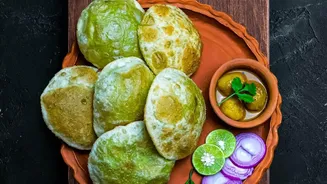
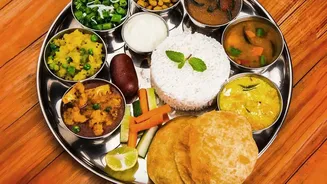
Kuttu ki Puri with Aloo Sabzi
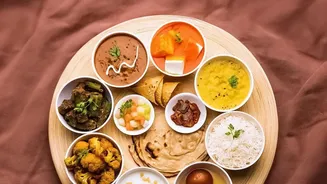
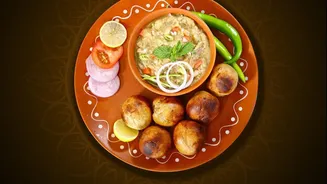
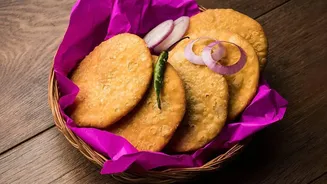
When wheat flour is off the menu, buckwheat flour, or 'kuttu ka atta', comes to the rescue. These deep-fried puris are crispy, slightly nutty, and a classic Sawan indulgence. The dough is often made by combining the flour with boiled and mashed potatoes and seasoned with rock salt (sendha namak). Paired with a simple, comforting potato curry made without onion or garlic and spiced with cumin and black pepper, this combination makes for a hearty and complete meal that feels festive and nourishing.
Makhane ki Kheer
For those with a sweet tooth, Makhane ki Kheer is a divine dessert that fits perfectly within fasting rules. Makhana, or fox nuts, are roasted in ghee until crisp, then simmered in milk until it thickens into a creamy pudding. Flavoured with cardamom, saffron, and sweetened with sugar or jaggery, this kheer is both light and luscious. Garnished with chopped almonds and pistachios, it’s a nutritious dessert, rich in calcium and protein, making it ideal for maintaining energy levels during a fast.
Sama ke Chawal ki Khichdi
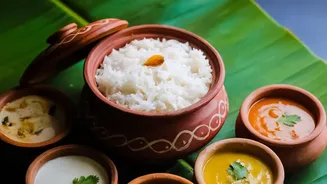
With regular rice not permitted, 'sama ke chawal' or barnyard millet becomes a popular substitute. This tiny, grain-like millet is light on the stomach and cooks quickly. It's often prepared as a simple khichdi or pulao, cooked with potatoes, peanuts, and mild spices like cumin and green chillies. The resulting dish has a soft, porridge-like texture that is incredibly comforting, especially during the cool, rainy days of Sawan. It’s a wholesome meal that provides sustained energy without feeling heavy.
Singhare ka Halwa
Another vrat-friendly flour is 'singhare ka atta', made from dried water chestnuts. It's used to create a rich and dense halwa. The flour is roasted in a generous amount of ghee until it turns aromatic and golden-brown, then cooked with sugar and water or milk until it forms a thick, glossy pudding. This halwa is known for providing warmth and sustained energy, making it an excellent choice for longer fasting days. Sprinkled with nuts, it’s a truly decadent treat.
Arbi ki Sabzi
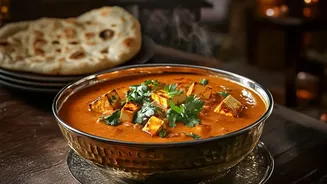
Among the approved vegetables for Sawan fasting, arbi (or colocasia root) is a popular choice. Unlike the usual potato sabzi, arbi offers a different texture and flavour. It can be prepared in a few ways, but a common method is to boil, peel, and then lightly fry the arbi in ghee with ajwain (carom seeds), green chillies, and sendha namak. Another version involves making a simple curry using a tomato and ginger base, avoiding all forbidden spices. This dish pairs beautifully with Kuttu ki Puri or Rajgira Paratha.
Rajgira Paratha
Rajgira, or amaranth flour, is another gluten-free powerhouse used during fasting. It's packed with nutrients like calcium and iron. The flour is kneaded into a soft dough, often with mashed potatoes or sweet potatoes to help with binding, and then rolled into parathas. These parathas are pan-cooked with ghee until golden and slightly crisp. They are soft, nutritious, and serve as a wonderful flatbread substitute to accompany any vrat-friendly sabzi or to be eaten simply with a bowl of plain curd.