





A Paradigm Shift from Peak Season
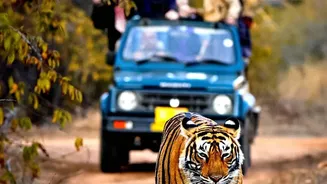
Traditionally, tourism in Assam has been synonymous with winter wildlife safaris in its world-famous national parks. The arrival of the monsoon in June historically marked the end of the season, with parks like Kaziranga and Manas closing their gates
to visitors due to flooding and for the breeding season. This shutdown created a perception of the monsoon as an 'off-season.' However, this narrative is rapidly changing. Instead of dormancy, the wet season now inspires a different kind of travel, one that moves beyond the rhinos of Kaziranga and embraces the rain-soaked beauty of the state's other natural treasures. This shift is not just extending the tourist calendar but also distributing its economic benefits more evenly throughout the year and across different regions.
The Allure of a Greener World
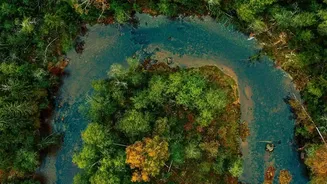
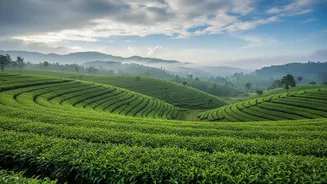
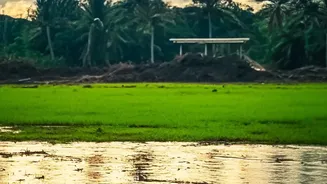
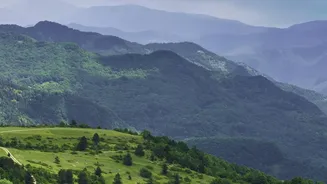
The monsoon transforms Assam into what can only be described as a paradise of green. The state's famed tea gardens, from Jorhat to Dibrugarh, become exceptionally vibrant, their leaves washed clean and glistening under the rain. Hills like Haflong, Assam's only recognized hill station, are draped in mist, offering serene and otherworldly landscapes. Waterfalls that are mere trickles in the dry season become roaring spectacles. This sensory experience—the smell of wet earth, the panoramic views of verdant paddy fields, and the cool, fresh air—is becoming the main draw for travellers seeking tranquility and a connection with nature at its most raw and rejuvenated. It's a photographer's dream and a nature lover's retreat.
Community-Led Tourism Takes the Lead
At the heart of this monsoon success story is the rise of community-based eco-tourism. With the major parks closed, smaller, community-run initiatives have stepped into the spotlight. Villages around lesser-known protected areas and in regions like the Karbi Anglong hills are offering authentic travel experiences. Tourists can stay in homestays, enjoy traditional Assamese cuisine, and learn about local cultures and conservation efforts directly from the communities. This model not only provides a unique and intimate travel experience but also ensures that tourism revenue directly supports local livelihoods and incentivizes the preservation of local ecosystems. It represents a move towards a more sustainable and responsible form of tourism that benefits both visitors and hosts.
New Adventures on Water and Land
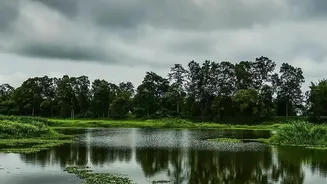
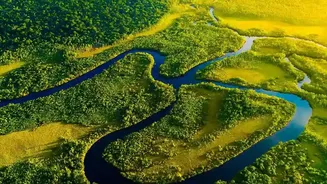
The monsoon unlocks a different set of adventures. While jeep safaris are on hold, river-based tourism flourishes. A cruise on the mighty Brahmaputra River, when it is full and majestic, offers a powerful perspective of the landscape. Some parks that are less prone to heavy flooding, like Dibru-Saikhowa National Park, offer unique boat safaris through their wetland ecosystems, which teem with birdlife during this season. Birdwatching, in general, becomes a prime activity, with wetlands like Deepor Beel near Guwahati attracting a host of resident and migratory birds. For the more adventurous, trekking trails in the hill districts become lush and challenging, leading to breathtaking viewpoints and cascading waterfalls that are at their seasonal peak.