






The Star of the Show: Dragon Fruit
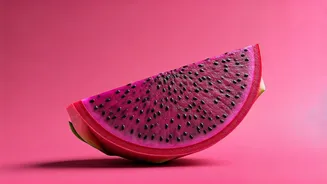
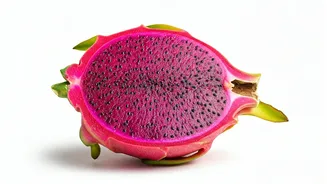
When we say neon, one fruit steals the spotlight: the dragon fruit, also known as pitaya or, in India, Kamalam. With its shocking pink or yellow skin and dramatic green-tipped scales, it looks like something from another planet. This visual drama is precisely
the twist your routine needs. Originally from Central America, this cactus fruit is now increasingly cultivated across India in states like Maharashtra, Gujarat, Karnataka, and Kerala, making it easier than ever to find. While most of the supply in local markets is still imported from countries like Vietnam and Thailand, domestic production is on the rise.
What Does It Taste Like?
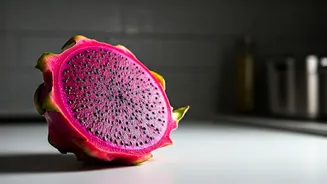
Despite its wild appearance, the flavour of dragon fruit is surprisingly mild and refreshing. Most people describe it as a delicate cross between a kiwi and a pear. The flesh, which can be white or a stunning magenta, is dotted with tiny, edible black seeds that provide a light crunch, similar to a kiwi. The red-fleshed varieties tend to be slightly sweeter than the white-fleshed ones. It's not overpoweringly sweet, making it a versatile fruit that pairs well with other flavours.
A Nutritional Powerhouse
Dragon fruit isn't just a pretty face; it's also packed with health benefits. It is a low-calorie fruit loaded with dietary fibre, which aids digestion and helps you feel full for longer. It’s an excellent source of antioxidants like vitamin C, betalains, and flavonoids, which protect your cells from damage caused by free radicals and may help reduce the risk of chronic diseases. The prebiotics in dragon fruit promote a healthy gut, and it's one of the few fresh fruits that contains iron, essential for energy and oxygen transport in the body.
How to Pick and Prepare It
Choosing a ripe dragon fruit is simple. Look for one with bright, even-coloured skin that gives slightly when you press it, much like a ripe avocado. To prepare it, place the fruit on a cutting board, slice off both ends, and then cut it in half lengthwise. From here, you have two options: you can scoop the flesh out with a spoon, or you can peel the skin away with your fingers—it usually comes off quite easily. You can then slice it, cube it, or use a melon baller for a fancier presentation. The tiny black seeds are completely edible.
Ways to Enjoy Your Neon Fruit
The beauty of dragon fruit lies in its versatility. The easiest way to enjoy it is to eat it fresh, chilled from the refrigerator. Its mild flavour also makes it a perfect addition to fruit salads, yogurts, and smoothie bowls. For a stunning and healthy beverage, blend the vibrant magenta-fleshed variety into a smoothie with banana and a splash of milk. The cubed fruit also makes for a visually striking garnish on desserts and drinks, instantly elevating your presentation.
Beyond the Dragon
While dragon fruit is the poster child for neon fruits, there are other colourful options to explore in Indian markets. Keep an eye out for Carambola, or star fruit, which has a waxy, golden-yellow skin and a tart, unique taste when ripe. Another one to try is Rambutan, a close relative of the lychee, which catches the eye with its spiky, bright red exterior. These fruits offer a similar promise: a break from the mundane with a burst of colour, flavour, and nutrition.