





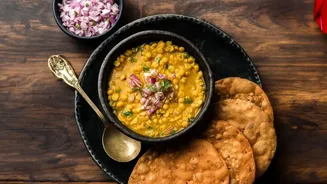
The Protein Powerhouse Debate
When it comes to protein, the numbers seem to favour lentils. A cooked cup of lentils packs a mighty 18 grams of protein, while the same amount of quinoa offers a respectable 8 grams. This makes lentils a fantastic choice for those looking to maximise
their protein intake on a plant-based diet. However, the story isn't just about quantity; it's also about quality. Quinoa is famously a 'complete protein', meaning it contains all nine essential amino acids that our bodies cannot produce on their own. Lentils, like most legumes, are slightly low in certain amino acids like methionine and cysteine. For vegetarians and vegans, this makes quinoa a uniquely convenient protein source. But combining lentils with a grain like rice or roti easily creates a complete protein profile, a practice long embedded in Indian culinary tradition.
Fibre for Fullness and Gut Health
Fibre is crucial for digestive health, managing blood sugar, and keeping you feeling full longer. Here, lentils take a commanding lead. A single cup of cooked lentils provides an impressive 16 grams of fibre, more than half of the recommended daily intake for many adults. Quinoa contains about 5 grams of fibre per cooked cup. While still a good source, it doesn't compare to the sheer fibre-richness of lentils. For anyone focused on improving digestive regularity or seeking foods that promote satiety for weight management, lentils are the undisputed champion. This high fibre content also gives lentils a very low glycemic index, making them excellent for blood sugar control.
Carbohydrates, Calories, and Energy
On the calorie and carbohydrate front, the two are surprisingly similar. A cooked cup of either contains around 220-230 calories and about 40 grams of carbohydrates. The key difference lies in how the body processes these carbs, which is measured by the glycemic index (GI). Lentils generally have a very low GI, often registering below 30, meaning they release sugar into the bloodstream very slowly. Quinoa has a low-to-moderate GI of around 53. This is still much better than white rice, but for individuals who need to be especially careful about blood sugar spikes, lentils have a distinct advantage.
The Micronutrient Scorecard
Beyond the macros, both foods are packed with essential vitamins and minerals. Lentils are a nutritional powerhouse, particularly rich in folate, iron, and potassium. They provide significantly more iron than quinoa, which is a vital mineral for preventing anaemia and maintaining energy levels. On the other hand, quinoa shines when it comes to magnesium, a mineral important for muscle function and nerve health, containing about twice the amount as lentils per serving. Quinoa is also a good source of manganese and phosphorus. Ultimately, both offer a valuable mix of micronutrients, with lentils leading in folate and iron, and quinoa excelling in magnesium.
In the Indian Kitchen: Cost and Versatility
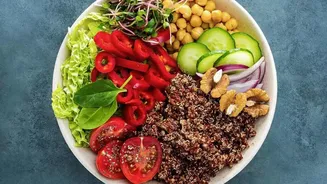
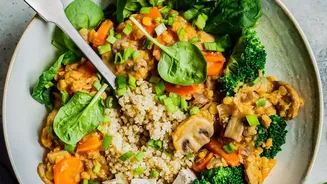
From a practical standpoint, lentils are deeply woven into the fabric of Indian cuisine and are significantly more affordable and accessible than quinoa. Dal is a daily staple in countless households for a reason. Quinoa, while increasingly available, is still a premium product with a much higher price point. In terms of cooking, both are incredibly versatile. Lentils are the heart of dals, sambars, and khichdis. Quinoa can be used as a substitute for rice in pulaos, upmas, or even khichdi, and it works wonderfully in modern salads and bowls. Its slightly nutty flavour and fluffy texture offer a pleasant alternative to traditional grains.