





In a world filled with constant noise and endless distractions, finding a moment of true quiet can feel impossible. Yoga Nidra offers an accessible and profound way to create that space for yourself, not just around you, but within you.
What Exactly Is Yoga Nidra?
Often called 'yogic
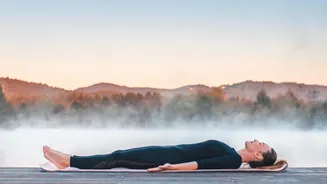
sleep', Yoga Nidra is a powerful guided meditation technique that induces a state of deep relaxation between wakefulness and sleep. Unlike other forms of yoga that involve physical postures (asanas), Yoga Nidra is practiced lying down comfortably in Savasana (corpse pose). The entire practice is led by a teacher's voice, which guides your attention through different stages. The goal isn't to fall asleep, though it can happen. Instead, it's about reaching a state of conscious awareness in a deeply relaxed body, allowing your mind and nervous system to rest and reset completely.
The Benefits of Deep Rest
For beginners, the most immediate benefit of Yoga Nidra is stress reduction. The practice systematically de-excites the nervous system, helping to lower cortisol levels and calm anxiety. Regular practice can lead to improved sleep quality, enhanced focus, and greater emotional regulation. By quieting the conscious, thinking mind, you create an opportunity for your subconscious to process experiences and release deep-seated tensions. This form of 'non-sleep deep rest' is incredibly restorative, offering the benefits of several hours of conventional sleep in a short session, making it a powerful tool for combating fatigue and burnout.
Creating Your Physical Sanctuary
The 'practice space' for Yoga Nidra begins with your physical environment. Before you start, find a quiet, warm room where you won't be disturbed for the duration of your session, which can be anywhere from 10 to 45 minutes. Dim the lights and turn off your phone notifications. The key is comfort. Lie on your back on a yoga mat, bed, or comfortable rug. Place a pillow under your head and perhaps a rolled-up blanket or bolster under your knees to support your lower back. Cover yourself with a blanket, as your body temperature can drop during deep relaxation. An eye pillow can also help block out light and encourage your focus to turn inward.
Finding Your Inner Quiet Space
While a peaceful room helps, the true purpose of Yoga Nidra is to cultivate an inner sanctuary that you can access anywhere. The guided practice is the key to unlocking this. As the instructor leads you, your focus is drawn away from external distractions and internal chatter. The journey starts with setting a personal intention, or 'Sankalpa'—a short, positive statement in the present tense, like 'I am calm and at ease'. This intention is planted in the receptive, subconscious mind. The practice then systematically guides your awareness, creating a profound sense of inner space and stillness that is independent of your surroundings.
A Simple Practice for Beginners
A beginner's Yoga Nidra practice follows a clear structure. After settling into your comfortable space, the session typically unfolds in stages. First, you are guided to connect with your body and the environment through sound and sensation. Next comes the Sankalpa. The longest part of the practice is the 'rotation of consciousness', where you are guided to bring your awareness to different parts of the body in a specific sequence, without moving them. This is followed by breath awareness, where you simply observe the natural flow of your breath. The guide may then introduce opposing sensations (like heaviness and lightness) or simple visualisations before guiding you back to your Sankalpa. Finally, you are gently brought back to full waking consciousness.
Tips for a Successful Session
As a beginner, it's important to approach Yoga Nidra with curiosity rather than expectation. You don't need to 'try' to relax; simply follow the instructions to the best of your ability. If your mind wanders, gently guide it back to the voice. It is completely normal and okay if you fall asleep—your body may simply need the rest. The most accessible way to start is by using a guided recording from a qualified instructor. There are thousands available on various apps and websites. Consistency is more important than duration, so a regular 15-minute practice can be more beneficial than an occasional hour-long session. Be patient and allow the benefits to unfold over time.