






An Uneven Monsoon Season So Far
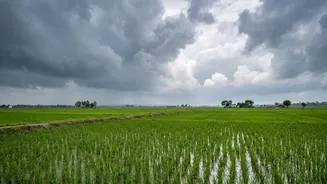
The southwest monsoon, which delivers about 70-80% of India's annual rainfall, has been erratic in 2026. After a dry start in June, rains picked up in July, but August saw the recovery stall, with the national deficit remaining a concern. However, this
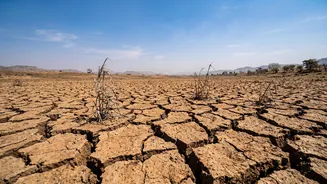
national average hides a more complex story of uneven distribution. While some regions have received surplus rain, leading to floods, others, particularly in key agricultural belts of the south, west, and east, are facing significant shortfalls. This patchiness is critical because what matters for agriculture isn't just the total volume of rain, but whether it falls in the right places at the right time.
Why September's Rain Is So Crucial
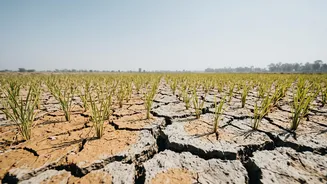
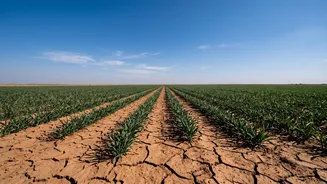
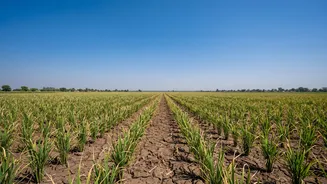
September rainfall is vital for two main reasons. First, it is essential for the maturation of the standing Kharif (monsoon) crops sown in June and July. Crops like rice, soybeans, maize, and cotton are in a critical growth phase where they need moisture to develop properly and ensure good yields. A dry spell now can lead to stunted growth and lower output. Second, the final spell of monsoon rain is critical for replenishing soil moisture ahead of the Rabi (winter) planting season. Farmers depend on this residual moisture to sow winter crops like wheat and rapeseed, especially in rain-fed areas. A weak end to the monsoon can therefore have a cascading effect, jeopardizing both the current Kharif harvest and the upcoming Rabi season.
The Crops Most at Risk
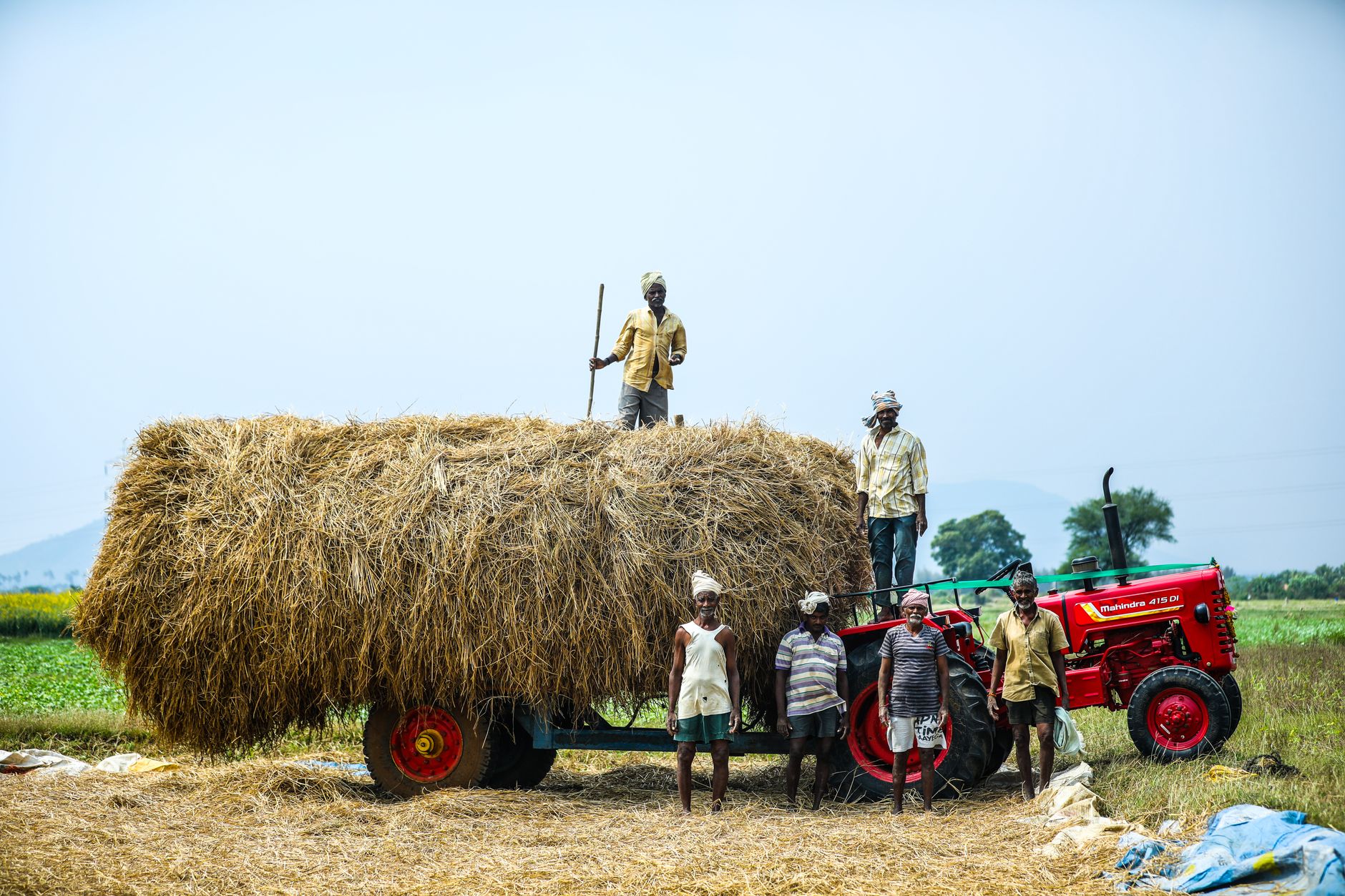
A rainfall deficit in September directly threatens several key crops that form the backbone of India's food security and economy. Rice, a staple food, is particularly vulnerable as it is a water-intensive crop. Sowing for rice has already been reported to be lower than last year in several states due to the patchy monsoon. Other important Kharif crops at risk include oilseeds like soybeans and groundnuts, coarse cereals like maize and millets, and pulses like tur (arhar). A poor harvest in these crops not only impacts food availability but also the supply of raw materials for industries like textiles (cotton) and edible oils. Farmers in some regions have already been advised to shift towards crops that require less water to mitigate potential losses.
Reservoir Levels and Water Security
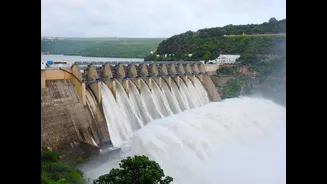
The monsoon doesn't just water crops directly; it also fills the country's major reservoirs, which are crucial for irrigation, drinking water, and generating hydroelectric power through the year. This year, despite some revival in rains, water levels in many of India's 166 major reservoirs remain below both last year's levels and the ten-year average. As of late August, total storage stood at around 68% of capacity, with the shortfall from the previous year widening. Southern states are facing a particularly worrying situation, with reservoir levels significantly lower than normal. A dry September would mean these reservoirs don't get their final, crucial top-up, putting a strain on water resources for the dry months ahead and limiting the water available for irrigating Rabi crops.
The Ripple Effect on Food Prices
The final link in the chain connects farm output to household budgets. A weak harvest due to a poor monsoon typically leads to lower supply in the markets, which can drive up food prices. While the relationship is not always direct, a significant drop in the production of staples like rice, pulses, and vegetables can fuel food inflation. This directly impacts consumers, as food accounts for a large portion of the average household's spending. Government officials and economists closely monitor the monsoon's performance because of its strong influence on the country's overall inflation rate. While buffer stocks of grains can provide a cushion, sustained production shocks can put pressure on the entire economy.