





What Exactly is This TCS?
First, let's clear up a common misconception: Tax Collected at Source (TCS) is not a new or separate tax. Think of it as an advance tax payment. When you spend money overseas for certain purposes beyond a specific limit, your bank or forex dealer is required
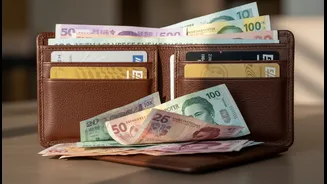
to collect a percentage of that amount and deposit it with the government against your PAN. This money isn't gone forever. For taxpayers, it can be adjusted against your total income tax liability or claimed as a refund when you file your income tax returns (ITR). The primary goal of TCS is to track large overseas transactions and ensure tax compliance.
The So-Called 'Cut': What Changed in 2026?
The Union Budget 2026 brought significant changes that went into effect from April 1, 2026, which many have perceived as a 'cut'. The headline is that for specific, essential spending, the rates have been reduced. For self-funded education and medical treatments, the TCS rate on amounts exceeding ₹10 lakh was cut from 5% to just 2%. Similarly, the complicated slab system for overseas tour packages was replaced with a much simpler, flat 2% TCS on the entire amount. However, it's crucial to note that for other remittances, like investing in foreign stocks or property, the high 20% TCS rate still applies on amounts over the ₹10 lakh threshold.
The Real Impact on Your Cash Flow
This is where planning becomes critical. Even though you can claim TCS back, the amount is blocked for a significant period. Consider this: you're paying ₹20 lakh for your child's university fees. Before the change, a 5% TCS would have meant ₹50,000 (on the ₹10 lakh above the threshold) was blocked. After the reduction to 2%, this amount is now ₹20,000. While that’s a relief, it's still ₹20,000 less in your bank account for immediate use. The problem is magnified for larger expenses. A family booking a ₹15 lakh tour package would have ₹30,000 collected as TCS (2% of the full amount). This temporary loss of liquidity, or 'cash flow crunch', can disrupt budgets if not anticipated, especially when dealing with high upfront costs like tuition deposits or flight bookings.
Navigating Different Payment Methods
The rules apply across most forms of remittance, including wire transfers, forex cards, and debit cards. However, there is a notable, if temporary, exception. As of now, spending on an international credit card while you are overseas does not fall under the LRS and, therefore, does not attract TCS. This has made credit cards a popular option for day-to-day spending abroad, but it's important to be aware of the associated foreign transaction markups and interest charges, which can sometimes outweigh the benefit of avoiding TCS. For larger, planned payments like tuition fees, remittances through banks or authorized dealers are unavoidable and will attract TCS as per the rules.
How to Get Your Money Back
The most important part of the process is reclaiming the TCS amount. When your bank collects TCS, they issue a Form 27D certificate. This collected amount will also reflect in your Form 26AS, which is your consolidated annual tax statement. When filing your ITR, you must declare this TCS amount. It will then be used to offset your tax liability. If the TCS collected is more than your total tax payable for the year, the excess amount will be issued to you as a refund. Therefore, it is crucial to file your tax returns diligently and on time to ensure you get this money back without long delays.
Smart Planning is Key
Managing TCS effectively boils down to smart financial planning. First, always track your overseas spending against the ₹10 lakh LRS threshold. Be aware of the different rates for different purposes — 2% for education/medical, 2% for tour packages, and 20% for most other things. If possible, structure your payments across financial years to stay within thresholds. For instance, paying a deposit in March and the balance in April could reduce your immediate TCS outflow. Finally, factor the blocked TCS amount into your overall budget to ensure you have enough liquid funds on hand for your trip or payment.