







The influence of money in politics is a global concern, but the way that influence is wielded differs dramatically. Examining Elon Musk's high-profile spending in US elections alongside India's political funding system reveals two very different paths.
The US Model: Billionaires and Super PACs
In the United States, the floodgates for massive political spending opened with the 2010 Supreme Court decision in Citizens United v. FEC. This ruling allowed corporations and unions to spend unlimited amounts on elections, leading to the creation of 'Super PACs' (Political Action Committees). These groups can't donate directly to a candidate's campaign but can spend limitless sums on advertising and other efforts to support or oppose candidates. This has paved the way for billionaires to become some of the most dominant forces in American politics. Individuals can pour hundreds of millions of dollars into Super PACs to advance their preferred candidates and agendas. These donations, while enormous, are generally required to be publicly disclosed to the Federal Election Commission (FEC), creating a record of who is funding these influential groups.
Elon Musk's Political Footprint
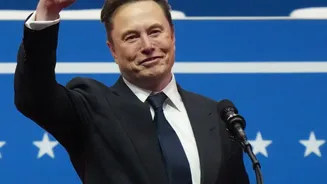
Elon Musk serves as a prime example of this phenomenon. Once a donor to both major parties, his political spending has shifted dramatically to almost exclusively support Republican and right-wing causes. In the 2024 election cycle, he became the largest individual political donor. Reports from the 2026 midterm election cycle show Musk contributing hundreds of millions of dollars, with one analysis noting spending of over $445 million. These funds were directed to various Super PACs, including the Senate Leadership Fund, which supports Republican senate candidates, and his own America PAC. This level of spending by a single individual, while legal in the US, highlights how one person's wealth can translate into a significant political voice, potentially shaping election outcomes and subsequent policy.
India’s System: The Era of Electoral Bonds
India took a different approach with the introduction of the Electoral Bond Scheme in 2018. The stated goal was to cleanse political funding by moving donations from untraceable cash to the formal banking system. Under the scheme, any Indian citizen or company could anonymously purchase these bonds—essentially interest-free promissory notes—from the State Bank of India and donate them to a political party. The identity of the donor was kept confidential from the public and the political party, though the state-controlled bank held the purchase data. This system quickly became the dominant method of political funding in the country.
Anonymity vs. Transparency: A Tale of Two Systems
The core difference between the two systems comes down to transparency. In the US, while the amount of money an individual like Musk can spend via Super PACs is unlimited, the donation itself is typically public record. This allows journalists, watchdog groups, and the public to see which billionaires are funding which political causes. In stark contrast, India's Electoral Bond Scheme was designed for anonymity. Critics argued this created an opaque system where voters had no way of knowing which corporate or private interests were funding political parties, raising concerns about 'quid pro quo' arrangements where donations could be exchanged for favourable policies. The government argued it protected donors from potential retribution.
A Landmark Ruling Changes the Game in India
The era of electoral bonds came to an end in February 2024. In a landmark decision, India's Supreme Court struck down the scheme as unconstitutional. The court ruled that the system's anonymity violated the voter's fundamental 'right to information'. It stated that for voters to make informed choices, they need to know who is funding political parties. The court ordered the State Bank of India to stop issuing bonds and to release all data on past purchases and redemptions, pulling back the curtain on years of anonymous donations. This decision fundamentally reshaped India's campaign finance landscape, moving it away from state-sanctioned anonymity, though critics note that opaque cash donations below certain thresholds remain a challenge.