







The Old Guilt-and-Detox Cycle
For many, the end of a festival like Diwali or Dussehra signals the beginning of a period of penance. After days of enjoying laddoos, fried snacks, and rich curries, the default response has often been to swing to the opposite extreme. This usually involves
restrictive cleanses, juice-only fasts, or strict diets that promise to 'flush out toxins' and undo the damage. Health experts warn this all-or-nothing approach is a vicious cycle. The deprivation of these crash diets often leads to intense cravings, fatigue, and nutrient deficiencies. This pattern of feasting followed by fasting can create an unhealthy relationship with food, framing celebration as a crime that requires punishment.
Why Extreme Restriction Backfires
The problem with post-festival 'detox' plans is that they are rarely sustainable and can do more harm than good. Experts point out that our bodies already have a highly efficient detoxification system: the liver and kidneys. Starving the body or limiting it to liquids can actually slow down metabolism, as the body thinks it's entering a period of famine and starts conserving energy. Most of the initial weight lost on such plans is water and muscle, not fat, and it's quickly regained once normal eating resumes. Dieticians explain that this yo-yo effect can disrupt hormonal balance and create mental stress, associating food with guilt and anxiety rather than nourishment and pleasure.
The Shift Towards Moderation
Thankfully, a more sensible and compassionate approach is gaining ground. Nutritionists and health coaches across India are increasingly championing moderation over deprivation. This philosophy isn’t about banning festive treats but about finding a sustainable balance. It acknowledges that traditional foods are part of our culture and joy. The goal is to integrate them mindfully into a healthy lifestyle rather than creating a battle between 'good' and 'bad' foods. As one expert puts it, wellness isn't about punishing yourself after a celebration; it's about maintaining balance throughout the year. The focus is shifting from a short-term 'fix' to long-term well-being.
What Post-Festival Balance Looks Like
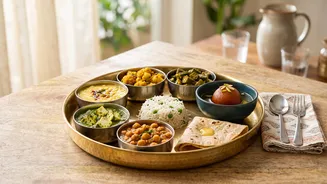
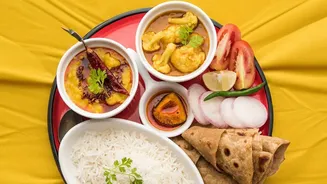
So, how does one practice moderation after a period of feasting? Experts suggest starting with simple, gentle steps. Hydration is key; drinking plenty of water, herbal teas, or coconut water helps flush out excess sodium and reduces bloating. Instead of skipping meals, which can lead to overeating later, the advice is to opt for lighter, home-cooked food. Think simple dals, vegetable-rich khichdi, or steamed dishes. Nutritionists recommend not arriving at festive events starving, as this often leads to poor choices. Eating a small, protein-rich snack beforehand can stabilise appetite. The idea is to return to your normal routine gently, without the need for extreme measures.
Listening To Your Body
At its core, the principle of moderation is about mindful eating and learning to listen to your body’s cues. This involves eating slowly, savouring each bite, and stopping when you feel comfortably full, not stuffed. Traditional Indian wisdom has long emphasized this. Incorporating probiotics like curd and buttermilk can help restore gut health after days of rich food. Gentle movement, such as a post-meal walk, can aid digestion and help manage blood sugar levels far more effectively than a punitive gym session the next day. This approach encourages a healthier, more intuitive relationship with food, allowing for enjoyment without the subsequent guilt.