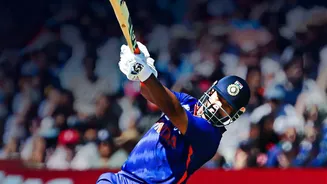

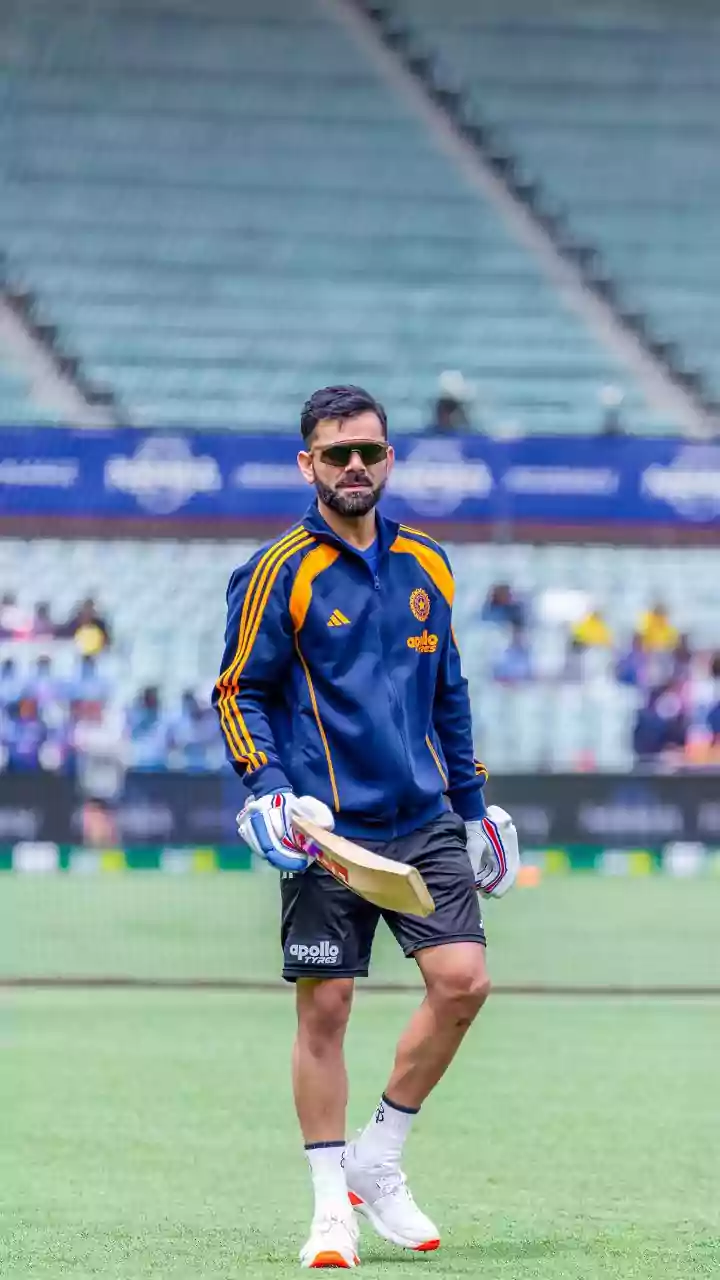





The Non-Stop Cricket Machine
The modern cricket calendar is a relentless, year-round juggernaut. International duties, governed by the ICC's Future Tours Programme (FTP), are just one piece of the puzzle. The schedule is now saturated with high-stakes domestic T20 franchise leagues.
Tournaments like the Indian Premier League (IPL), Australia's Big Bash League (BBL), and newer additions in South Africa and the UAE now occupy significant portions of the year. This creates a near-constant loop of travel, training, and high-intensity matches, leaving minimal time for rest and recovery. The result is a schedule that is increasingly seen as unsustainable for multi-format players who are expected to perform for both country and franchise.
The Physical and Mental Toll
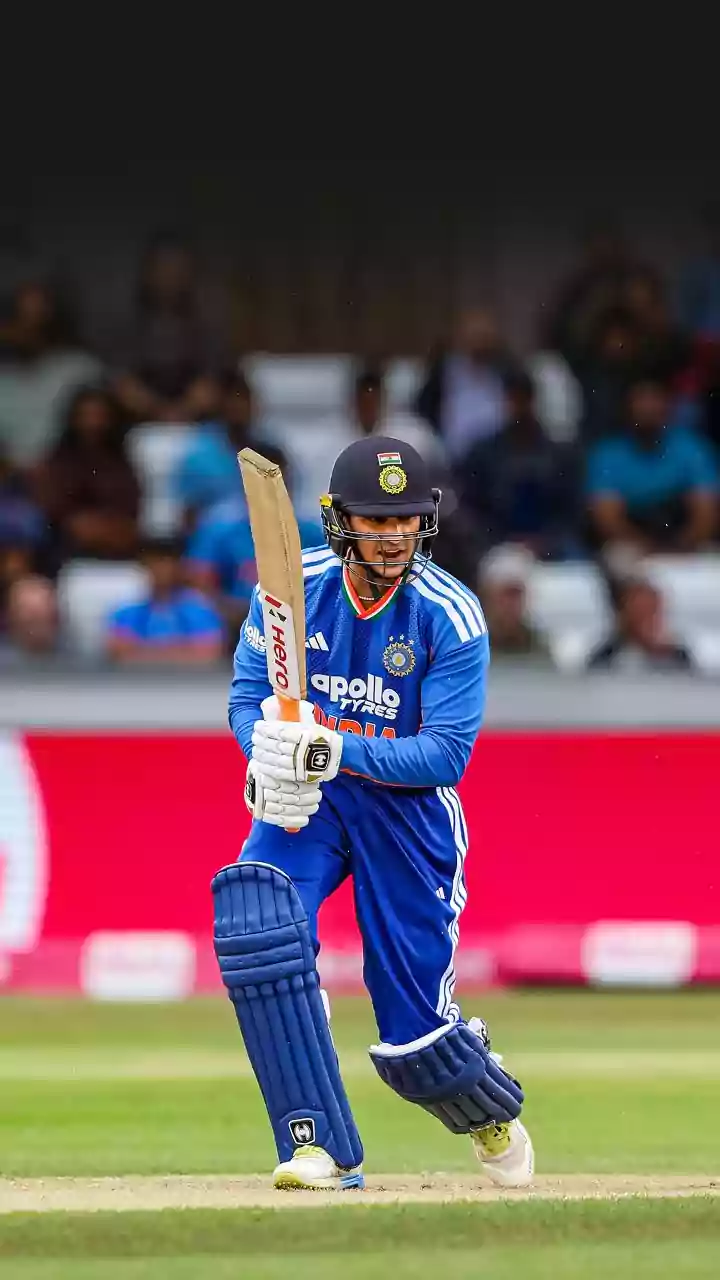
The human body has a breaking point, and modern cricketers are finding it with alarming frequency. The packed schedule is a direct contributor to a rise in injuries, particularly among fast bowlers who place immense strain on their bodies. Recent seasons have seen top T20 leagues commence with a noticeable absence of star players, sidelined by injuries or proactive workload management by their national boards. India captain Shubman Gill recently voiced concern over his team's recurring injury setbacks, noting players were struggling to complete even a few consecutive series. Beyond the physical, the mental strain is immense. Constant pressure to perform, combined with extensive travel and time in bio-bubbles, has led to players like England's Ben Stokes taking breaks or retiring from specific formats to protect their mental well-being and prolong their careers.
Country vs. Franchise: A Career-Defining Choice
The explosion of lucrative T20 leagues has fundamentally altered the cricket employment market. Players now face a difficult choice between the prestige of international cricket and the significant financial rewards offered by franchises. For many, particularly those from nations with less financial clout, a career as a T20 freelancer is a more viable and less physically demanding option. We've seen high-profile players like Trent Boult of New Zealand and South Africa's Heinrich Klaasen step back from their central contracts to prioritize T20 opportunities. This trend, often described as a 'talent drain', poses an existential threat to international cricket, particularly in the Test and ODI formats. The global players' union, FICA, has repeatedly warned that this issue is growing and impacts all nations.
The Search for a Sustainable Future
There is no simple solution, but the consensus is that something must change. Cricket administrators, including the ICC and national boards like the BCCI, are actively discussing strategies. One proposed idea is the creation of dedicated windows in the calendar for T20 leagues, preventing clashes with international series. Another is the reintroduction and wider adoption of player rotation policies, where key players are strategically rested from certain tours to manage their workload. Teams are also increasingly relying on technology, using GPS tracking and other data to monitor player load and prevent injuries before they occur. However, these solutions require a level of global collaboration and compromise between boards and leagues that has so far been difficult to achieve.