
Why Venus? Earth’s Hellish Sister
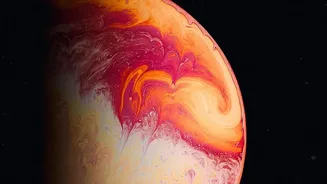
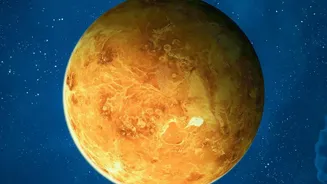
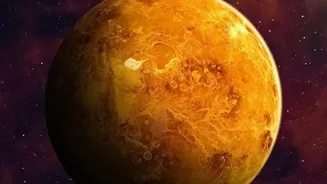
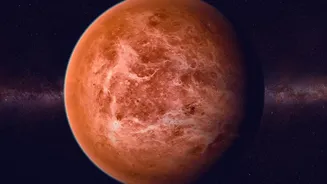
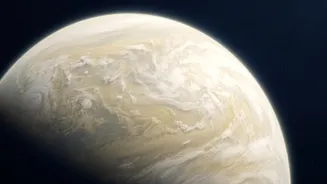
Venus and Earth began as planetary siblings, nearly identical in size, mass, and density. Yet, their paths diverged dramatically. Today, Venus is a cautionary tale—a planet gripped by a runaway greenhouse effect. Its atmosphere, over 90 times denser than
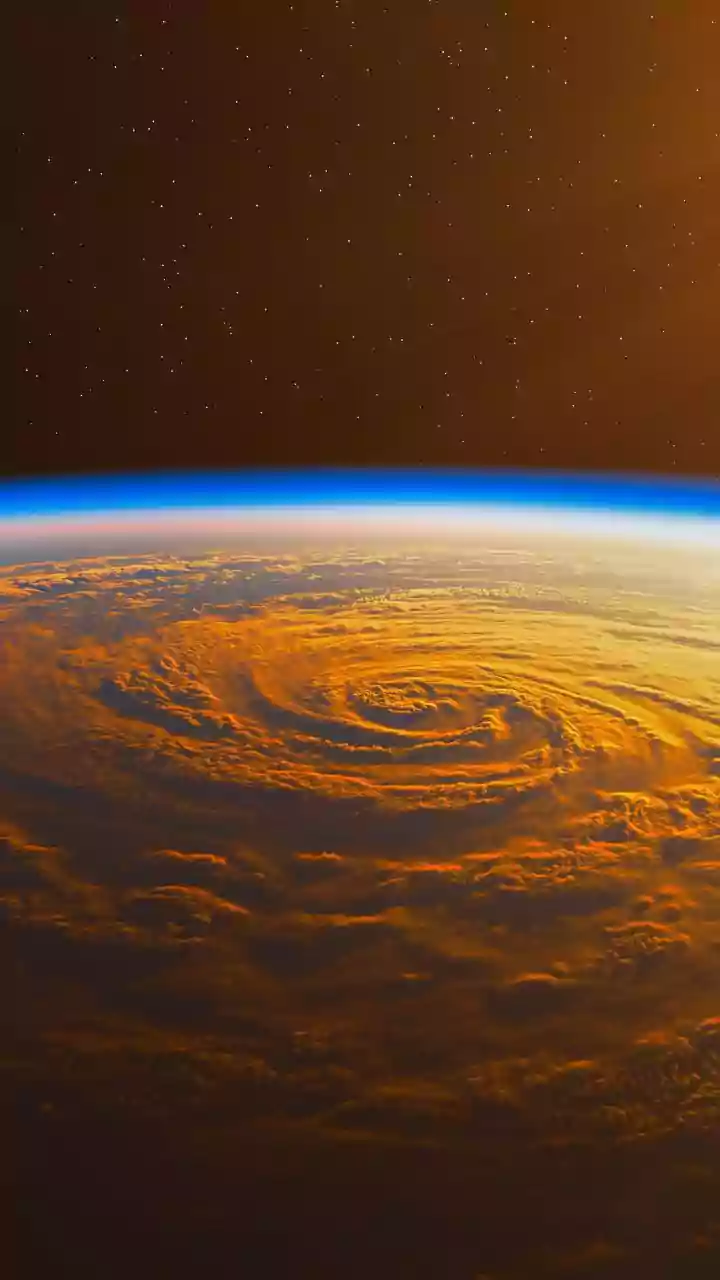
Earth's and composed almost entirely of carbon dioxide, traps heat so effectively that surface temperatures soar to 465°C. Thick clouds of corrosive sulfuric acid completely hide the surface from view, driven by winds that move much faster than any storm on Earth. Scientists believe Venus may have once hosted liquid water oceans for billions of years, potentially making it habitable. Understanding what went so wrong is not just about solving a planetary puzzle; it’s about gaining crucial insights into planetary evolution, climate modeling for Earth, and the conditions that make a planet a haven for life.
Shukrayaan-1: India's Next Interplanetary Leap
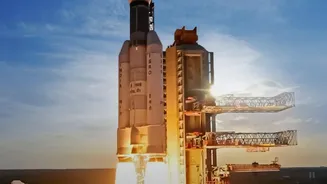
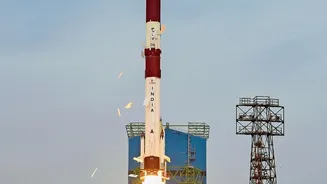
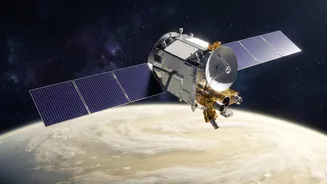
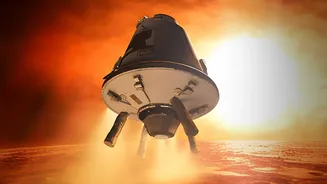
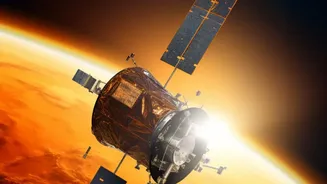
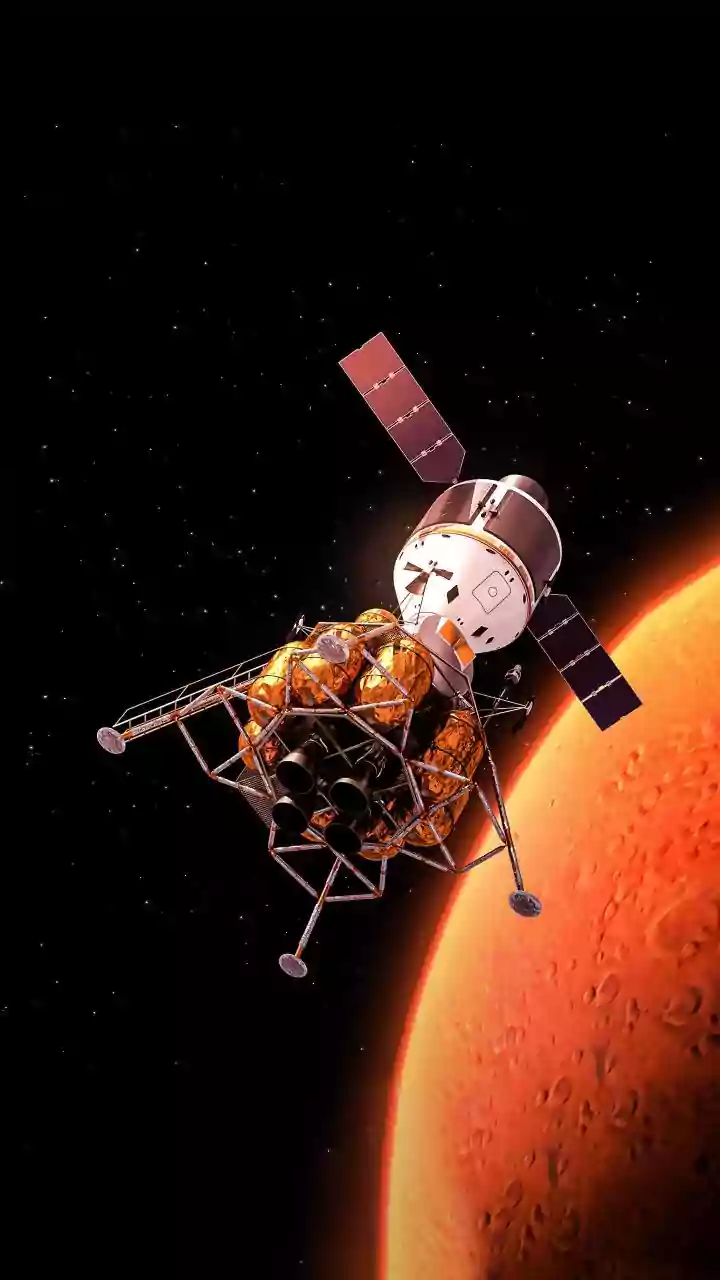
Following the monumental successes of Chandrayaan and Mangalyaan, the Indian Space Research Organisation (ISRO) is setting its sights on our other neighbour. The Venus Orbiter Mission, unofficially known as Shukrayaan-1, is India’s first dedicated mission to the planet. Formally approved by the Indian government on September 18, 2024, the mission is scheduled for launch on March 29, 2028, aboard the powerful LVM-3 rocket. After a 112-day journey, the orbiter will enter a highly elliptical orbit around Venus, from where it will spend over four years conducting its scientific investigations. The mission's primary goals are threefold: to investigate the planet's surface and subsurface, to study the complex chemistry and dynamics of its atmosphere, and to analyze the interaction between the solar wind and the Venusian ionosphere.
Piercing the Veil: A Suite of Advanced Sensors
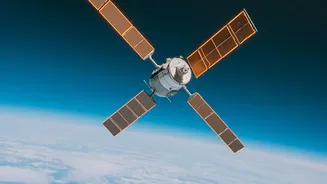
The key to Shukrayaan's success lies in its sophisticated payload, designed to see through the planet's impenetrable clouds. The flagship instrument is a high-resolution Synthetic Aperture Radar (SAR), which uses radar waves to map the surface in incredible detail, seeking evidence of active volcanoes and geological processes. This will provide a map with a resolution up to four times better than NASA's Magellan mission from the 1990s. To probe the atmosphere's chemistry, Shukrayaan will carry several specialized instruments. A Venus Thermal Camera (VTC) will map thermal emissions to understand atmospheric dynamics, while a Venus Surface Emissivity and Atmospheric Mapper (VSEAM) will use spectral windows in the infrared to identify volcanic hotspots and map cloud structure. These sensors will work in concert to build a comprehensive picture of the chemicals, temperature variations, and movements within the dense cloud layers.
Probing Deeper Than Ever Before
Shukrayaan is not just about looking at the surface and clouds; it’s about looking beneath the surface and within the atmosphere. The mission is set to carry the first-ever ground-penetrating radar to Venus, which will allow scientists to study the shallow subsurface stratigraphy for the first time. Another crucial instrument, the Venus Ionospheric Plasma wave detector (VIPER), will study how the solar wind strips away the planet’s upper atmosphere, a key factor in why Venus lost its water. The orbiter also carries instruments to analyze the composition of the thermosphere and ionosphere, and to search for lightning, which could provide clues about atmospheric dynamics. This multi-layered approach—combining surface, subsurface, and detailed atmospheric analysis—makes Shukrayaan one of the most comprehensive missions ever sent to Venus.
A Global Effort Led by India
While Shukrayaan is an Indian mission, it represents a significant international collaboration. ISRO has shortlisted payloads and is working with space agencies from Russia, Sweden, and Germany. For instance, the Venus Infrared Atmospheric Gases Linker (VIRAL) instrument is a collaboration with Russia and France, while the Venusian Neutrals Analyzer (VNA) is being developed with Sweden. This collaborative spirit builds on ISRO's reputation for cost-effective and successful interplanetary missions. The mission's approval signals India's growing ambition and capability in space exploration, positioning it as a key player in the global scientific community's renewed focus on Venus. Along with upcoming missions from NASA and ESA, Shukrayaan is part of a new wave of exploration set to finally unravel the secrets of Earth's enigmatic twin.